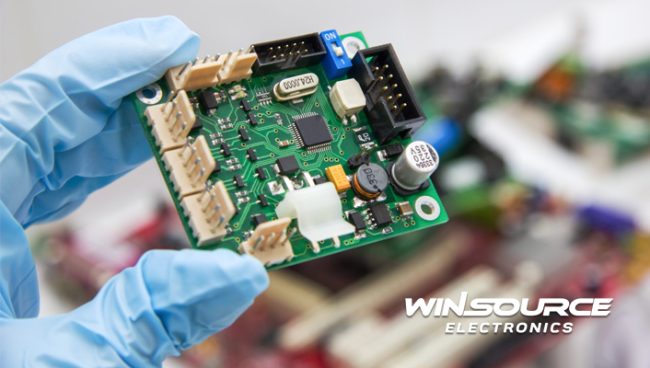
What is a PCB?
A printed circuit board (PCB) is a flat board made of insulating material, typically fiberglass-reinforced epoxy, with thin layers of conductive copper traces etched onto its surface.
PCBs are used to mechanically support and electrically connect electronic components like resistors, capacitors, and integrated circuits.
They serve as the backbone for most electronic devices, allowing for efficient and organized interconnection of electronic components.
Understanding PCB boards and their various aspects.
These flat, unassuming platforms play a pivotal role in connecting, supporting, and powering the electronic components that drive our modern devices.
To understand the significance of PCBs, it’s essential to explore their various aspects and the intricate world they enable within our gadgets.
PCB Layers and Types:
PCBs can have different layers, and the choice of layer count depends on the complexity of the electronic device. The most common types include:
Single-Sided PCBs:
These have a single layer of substrate, with components and traces on one side. They are suitable for simple and cost-effective applications.
Double-Sided PCBs:
These boards have components and traces on both sides of the substrate. They are more versatile and are often used in devices with moderate complexity.
Multilayer PCBs:
Complex electronics, like smartphones and computers, require multilayer PCBs. These boards consist of several layers sandwiched together, connected through vias (small holes filled with conductive material). Multilayer boards allow for compact designs and intricate circuitry.
PCB Materials
The choice of material for a PCB is crucial, as it affects its performance and reliability.
Common PCB materials include:
- FR-4 (Flame Retardant 4): It’s a glass-reinforced epoxy laminate known for its durability and electrical insulation properties.
- Flexible PCBs: Made from flexible materials like polyimide, these PCBs are ideal for applications that require bending or flexibility. They are commonly found in wearables and medical devices.
- Metal Core PCBs:These boards have a layer of metal, often aluminum, in the core. They are excellent for applications that require efficient heat dissipation, such as LED lighting and power electronics.
PCB Components
A PCB is a platform for various electronic components to be soldered onto.
Some of the key components on a typical PCB include:
Integrated Circuits (ICs):
Integrated circuits, more commonly known as ICs, are the “brains” of electronic devices, containing multiple transistors, resistors, and other components within a single package.
Passive Components: Resistors, capacitors, and inductors are essential passive components that control the flow of electrical signals on the PCB.
Connectors: Connectors and sockets allow for external connections, such as USB ports, HDMI connectors, and audio jacks.
Diodes and Transistors: These semiconductor components are used for switching, amplification, and rectification purposes.
PCB Design Software
Designing a PCB is a complex task that involves creating a schematic, defining the board’s dimensions, and routing traces.
PCB design software tools like Eagle, KiCad, and Altium Designer make this process more accessible for engineers and hobbyists.
The PCB Manufacturing Process
The manufacturing of PCBs is a multi-step process that includes:
- Substrate Preparation: Choosing the PCB material and cutting it into the desired shape.
- Copper Cladding: Depositing a thin layer of copper on the substrate.
- Photoengraving: Using a mask and chemicals to etch away copper where traces and pads are needed.
- Drilling: Creating holes for component placement and vias.
- Component Assembly: Soldering the electronic components onto the board.
- Testing:Ensuring that the PCB functions as intended.
PCB Testing and Quality Control
Quality control is critical in PCB manufacturing.
Testing procedures include continuity tests, electrical tests, and functional tests to identify defects, shorts, or open circuits.
High-quality PCB distributors adhere to strict quality control standards to deliver reliable boards.
Design Varieties
PCBs come in various designs and sizes, depending on the specific application.
From single-sided boards found in simpler devices to complex multilayer boards in high-performance electronics, PCBs can be customized to meet the unique requirements of a product.
Miniaturization and Efficiency
Advancements in PCB technology have led to miniaturization and greater efficiency in electronics. Smaller components and densely packed circuits have become possible due to intricate PCB designs, resulting in sleeker and more powerful devices.
Environmental Impact
In today’s world, environmental concerns are paramount.
PCB boards are no exception, and there’s an increasing focus on eco-friendly materials and manufacturing processes. RoHS (Restriction of Hazardous Substances) compliant PCBs, which contain no lead or other hazardous materials, are now the industry standard.
To end, Choose WIN SOURCE
So, if you are looking for a PCB for your home or industry project, where can you find the best PCB boards?
Vast Selection
Discover a wide range of PCB boards to cater to the diverse needs of its customers.
Whether you’re an individual hobbyist or a professional manufacturer, you can find the right PCB for your project.
High-Quality Products
Quality is of utmost importance when it comes to PCB boards, as they directly impact the reliability of your electronic device.
WIN SOURCE takes pride in offering high-quality PCBs, ensuring that your devices function flawlessly.
Competitive Prices
Affordability is a crucial factor in any purchasing decision.
Discover competitive prices for their PCB boards without compromising on quality. This is essential for businesses looking to maintain cost-effectiveness in their production processes.
Customization Options
One size doesn’t fit all, especially when it comes to PCBs. At WIN SOURCE, we understand this and provide customization options, allowing you to order PCBs tailored to your project’s exact specifications.
Fast and Reliable Shipping
Time is often a critical factor in electronics projects. This is why we offer fast and reliable shipping options, ensuring that your PCBs reach you on time, whether you’re a professional working on a tight schedule or an enthusiast eager to complete your DIY project.
For all your PCB board needs, head over to our store to get started.
© 2025 Win Source Electronics. All rights reserved. This content is protected by copyright and may not be reproduced, distributed, transmitted, cached or otherwise used, except with the prior written permission of Win Source Electronics.