
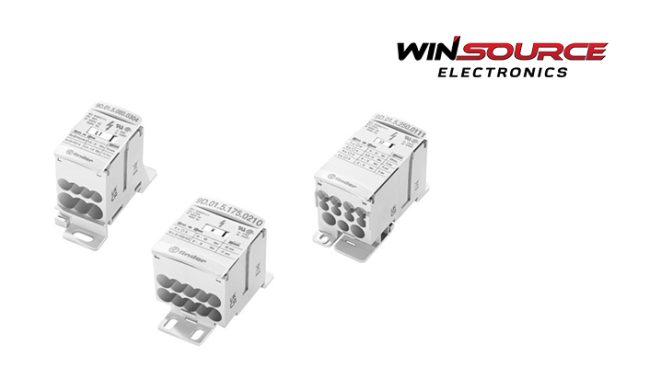
Types of SPLI Terminals And Their Applications
SPLI terminals come in various types, each with its own specific characteristics and applications. The most common types include:
- Standard SPLI terminals: These are the most versatile type of SPLI terminal, suitable for a wide range of wire gauges and applications.
- Heavy-duty SPLI terminals: Designed for high-current applications, these terminals feature larger bodies and stronger teeth or barbs to accommodate thicker wires and withstand higher current loads.
- Specialty SPLI terminals: These include specialized terminals for specific applications, such as automotive, marine, and industrial environments.
Why Use SPLI Terminals?
SPLI terminals offer several advantages over traditional methods of wire connection, such as soldering or crimping on bare wire:
- Ease of installation: SPLI terminals eliminate the need for wire stripping, making them a quick and efficient way to connect wires.
- Reliability: The IDC design provides a secure and reliable connection that can withstand vibration and movement.
- Reduced risk of damage: SPLI terminals minimize the risk of wire damage caused by stripping or excessive crimping.
- Reduced cost: SPLI terminals are generally more cost-effective than other methods of wire connection due to their ease of installation and reduced material requirements.
Step-by-Step Installation Procedure
1. Preliminary Preparations
Gather necessary tools and materials: Before commencing the installation process, ensure you have all the required tools and materials within reach. These include:
- SPLI line pressing terminals of the appropriate size and rating for the wires being connected
- A wire stripper specifically designed for the wire gauge of the wires
- A crimping tool specifically designed for the type and size of SPLI terminals being used
- Heat shrink tubing (optional) for added protection and insulation
Select compatible SPLI terminals for wire gauge: SPLI terminals come in various sizes to accommodate different wire gauges. The wire gauge is a measure of the thickness of the wire conductor. The larger the wire gauge number, the smaller the wire conductor. It is crucial to select SPLI terminals that are compatible with the wire gauge of the wires being connected. Mismatched terminals can result in loose or ineffective connections, posing safety hazards.
Ensure wire insulation is intact and free from damage: Before proceeding, inspect the wire insulation to ensure it is intact and free from any cracks, tears, or other damage. Damaged insulation can compromise the electrical integrity of the connection and increase the risk of electrical shorts or fires.
2. Wire Stripping and Terminal Insertion
Use a wire stripper to remove insulation from wire ends: Carefully use a wire stripper to remove the insulation from the end of each wire to the desired length. The stripped length should be slightly longer than the width of the SPLI terminal. Ensure the exposed conductor is clean and free of any nicks or damage.
Strip insulation to a length slightly longer than terminal width: The length of the stripped insulation should be slightly longer than the width of the SPLI terminal. This excess length allows for proper insertion into the terminal and ensures a secure connection.
Carefully insert stripped wire ends into opposite ends of the SPLI terminal: Gently insert the stripped ends of the wires into the opposite ends of the SPLI terminal. Ensure the wires are fully seated within the terminal and do not protrude from the end.
3. Crimping the SPLI Terminal Connection
Select the appropriate crimping tool for the SPLI terminal size: Crimping tools are specifically designed to apply the correct amount of pressure to crimp SPLI terminals onto wires. Using the wrong crimping tool can damage the terminal or fail to provide a secure connection.
Apply firm and even pressure with the crimping tool: Once the wires are properly inserted into the SPLI terminal, carefully align the terminal with the crimping tool. Apply firm and even pressure with the crimping tool to crimp the terminal onto the wires. Ensure the crimped connection is tight and free of any gaps or damage.
Ensure the crimped connection is secure and free of gaps or damage: After crimping, visually inspect the connection to ensure it is secure and free of any gaps or damage. The crimp should be firm and uniform, and the wires should be securely held within the terminal.
4. Applying Heat Shrink Tubing (Optional)
Select heat shrink tubing compatible with the SPLI terminal size: If using heat shrink tubing for added protection and insulation, ensure it is the correct size for the SPLI terminal. The tubing should be slightly larger in diameter than the crimped connection.
Slide heat shrink tubing over the crimped connection: Carefully slide the heat shrink tubing over the crimped connection, ensuring it covers the entire connection and extends slightly beyond the ends of the terminal.
Apply uniform heat to shrink the tubing around the connection: Use a heat gun or other suitable heat source to apply uniform heat to the heat shrink tubing. The tubing will shrink around the connection, providing additional protection and insulation.
Allow the heat shrink tubing to cool and adhere firmly: Allow the heat shrink tubing to cool completely, ensuring it adheres firmly to the crimped connection and wires. This provides a durable and protective barrier against environmental factors.
By following these detailed steps and carefully considering the additional considerations and safety precautions, you can ensure the proper and safe installation of SPLI line pressing terminals, ensuring reliable and secure electrical connections.
Useful Tips
- Ensure the SPLI terminals are compatible with the wire gauge of the wires being connected. Using terminals with an incorrect gauge can result in a loose or ineffective connection.
- Select a crimping tool specifically designed for the type and size of SPLI terminals being used. Incorrect crimping can damage the terminal or fail to provide a secure connection.
- Ensure the wire insulation is in good condition and free from cracks or damage. Damaged insulation can compromise the electrical integrity of the connection.
- After crimping, carefully inspect the connection for any signs of damage or improper seating. Ensure the wires are securely held within the terminal and the insulation is not damaged.
By following these detailed steps and carefully considering the additional considerations and safety precautions, you can ensure the proper and safe installation of SPLI line pressing terminals, ensuring reliable and secure electrical connections. For high quality terminals, check out WIN SOURCE. They are one of the best distributors of electronic components.
© 2025 Win Source Electronics. All rights reserved. This content is protected by copyright and may not be reproduced, distributed, transmitted, cached or otherwise used, except with the prior written permission of Win Source Electronics.

COMMENTS