
Shunting Through the Basics
A shunt in electronics typically refers to a low-resistance conductor used to redirect current flow.
This redirection of current flow is instrumental in diverse applications, playing a pivotal role in measurement and protection.
In the realm of measurement, shunts find a crucial place in ammeters.
By integrating a known resistance, they facilitate accurately determining current within a circuit.
This is particularly valuable in scenarios where precise current measurement is paramount.
Shunts also play a key role in safeguarding sensitive components from potential damage caused by excessive voltage.
This protective function makes them indispensable in various electronic devices and systems.
Multimeters, versatile instruments used for measuring voltage, current, and resistance, often integrate shunts to ensure accurate current measurements without disrupting the circuit’s normal operation.
The careful selection of shunt resistance allows engineers and hobbyists to tailor these instruments to accommodate a broad spectrum of current levels.
Jumping Across Connections
Jumpers, on the other hand, serve a different but equally vital purpose.
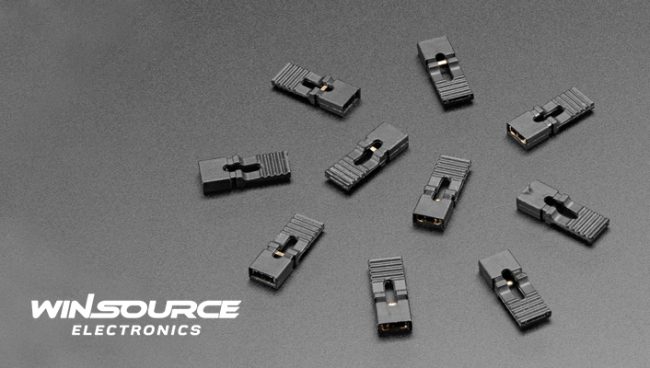
A jumper is a short wire or metal clip used to close, bypass, or bridge an electrical connection.
This simple yet effective component plays a crucial role in configuring circuit boards and determining the pathway of signals.
In the realm of printed circuit boards (PCBs), jumpers provide flexibility during design and troubleshooting.
They can be used to establish or disconnect connections, allowing engineers to customize the circuit according to specific requirements.
Jumpers also simplify the production process, as they provide a quick and reversible means of making electrical connections.
So how are they made?
Read on to discover more.
How Are Shunts And Jumpers Made?
Shunts are often made from materials with high electrical conductivity, such as copper or silver, to minimize resistance.
Precision is crucial in their construction to ensure accurate current measurements.
Various manufacturing methods, including precision machining and thin-film deposition, may be employed to create shunts with specific resistance values.
Jumpers, on the other hand, are simpler and often involve using wires or conductive strips to bridge connections on a circuit board or between components.
They can be made by attaching metallic wires directly or using prefabricated jumper wires.
In electronics assembly, jumpers are essential for configuring circuits, especially on printed circuit boards (PCBs).
The choice of materials depends on factors like conductivity, durability, and the intended application.
The Dance of Shunts and Jumpers
In many electronic devices, shunts and jumpers work in tandem to achieve optimal functionality.
Consider a scenario where a complex circuit requires precise current measurements at different points.
Shunts strategically placed within the circuit guide the current flow, while jumpers enable engineers to configure the circuit for specific measurement needs.
The dance between shunts and jumpers becomes particularly evident in the prototyping and testing phases.
Engineers can experiment with different configurations, easily adapting the circuit’s behavior by adjusting the placement of jumpers and shunts.
This flexibility is invaluable during the iterative process of refining electronic designs.
Troubleshooting and Adaptability
In complex electronic systems, troubleshooting goes beyond mere identification of faulty components.
Shunts and jumpers offer a dynamic approach, allowing engineers to not only diagnose issues but also implement temporary fixes swiftly.
This real-time adaptability is particularly valuable in scenarios where immediate solutions are imperative, such as in mission-critical systems or during prototype testing.
The crucial role of jumpers also extends beyond basic problem-solving. These short wire segments are often employed during the development phase to test different configurations and optimize circuit performance.
This preemptive use showcases their dual functionality, proving essential not only in addressing issues but also in the experimental stages of electronic design.
Shunts, on the other hand, maintain circuit integrity. Placed strategically, they act as barriers, preventing faults from propagating and safeguarding delicate components from potential harm.
This protective function becomes increasingly critical in environments where electronic systems are exposed to external factors such as voltage spikes or electromagnetic interference.
The synergy of shunts and jumpers ensures the resilience and functionality of electronic circuits.
From rapid troubleshooting to preemptive testing, these tools empower engineers to navigate the intricate landscape of electronic design, demonstrating their indispensability in the ongoing evolution of technology.
Navigating Circuits: Understanding the Role of Shunts and Jumpers – To Finish With
As we delve deeper into the intricacies of electronic circuits, it becomes evident that shunts and jumpers, play pivotal roles in shaping the landscape of modern electronics.
From precise current measurements to customizable circuit configurations, these unassuming components quietly contribute to the seamless functionality of our electronic devices.
So, the next time you marvel at the sophistication of your gadgets, take a moment to appreciate the simple yet indispensable role played by shunts and jumpers behind the scenes.
Whether you are a technological industry leader or a home hobbyist, check out our high-quality shunts and jumpers for all your projects or browse our store.
© 2025 Win Source Electronics. All rights reserved. This content is protected by copyright and may not be reproduced, distributed, transmitted, cached or otherwise used, except with the prior written permission of Win Source Electronics.

COMMENTS