
What’s Inside a Rocker Switch?
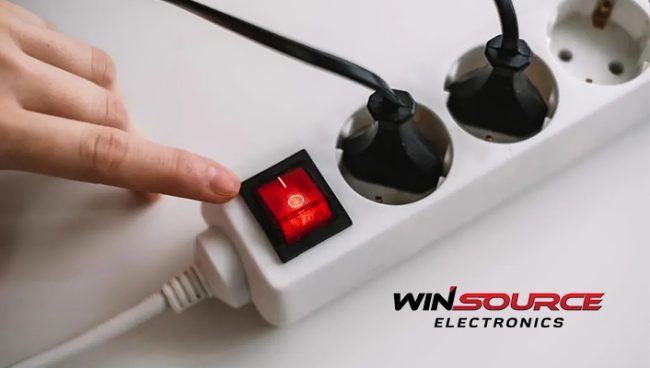
A rocker switch is like a little electric gatekeeper. It has a special lever that rocks back and forth to either let electricity flow or stop it. Inside, there are two important parts:
1. Stationary Contacts: The Unyielding Connectors
At the heart of the rocker switch are the stationary contacts. These are like steadfast sentinels, usually crafted from conductive materials such as copper or silver. Their primary duty is to maintain a continuous link with the electrical circuit, creating a consistent pathway for the flow of current.
2. Movable Contacts: The Dynamic Duo
Complementing the stationary contacts are the movable contacts, akin to agile partners attached to the rocking lever of the switch. When the switch is pressed, these dynamic contacts swing into action, either establishing a connection with the stationary counterparts to permit the flow of electricity or retracting to break the circuit.
3. Fulcrum Point: The Pivotal Player
Lastly, there’s the fulcrum point – the pivotal axis around which the rocking lever moves. It serves as a central stage where the switch’s performance unfolds. This fulcrum point ensures smooth, controlled movement, contributing to the switch’s reliability and longevity.
Different Types of Rocker Switches: Tailoring Functionality
Rocker switches come in various configurations, each tailored for specific tasks:
On-Off Switch (SPST): Simplicity in Action
Functions as a straightforward on-off switch, like a master key controlling the flow of electricity to a device.
Chooser Switch (SPDT): Navigating Between Paths
Offers the ability to select between two different paths for the electrical current, allowing for versatile control.
Double Team Switch (DPST): Orchestrating Two Circuits
Manages two separate circuits independently, acting as a double-duty conductor for diverse electronic operations.
Super Chooser Switch (DPDT): Dual-Path Decision-Maker
Similar to SPDT but with the capacity to handle double the power, providing expanded options for electrical routing.
Why Protect Electronics?
Our electronic devices, from smartphones to sophisticated machinery, are vulnerable to a myriad of potential threats within the realm of electrical systems. Understanding the reasons behind the imperative to safeguard electronics sheds light on the critical role of protective measures:
1. Preventing Overloads: Preserving the Balance
Electronic gadgets are designed to operate within specific limits of electrical current. An overload occurs when this limit is surpassed, leading to excessive heat generation and potential damage to sensitive components. Protection mechanisms become indispensable to maintain the delicate balance, ensuring that the current flowing through the system remains within safe parameters.
2. Shielding Against Short Circuits: Avert Catastrophe
Short circuits pose a formidable risk to electronic devices. They involve an unintended connection between two points in the circuit, leading to an abrupt surge in electrical current. Without protection, this surge can cause immediate malfunctions, equipment damage, or, in extreme cases, pose safety hazards such as electrical fires. Protective measures act as the first line of defense, swiftly isolating and mitigating the impact of short circuits.
3. Prolonging Device Lifespan: Enhancing Durability
Electronic components, while resilient, have their limits. Continuous exposure to overcurrent conditions or sudden electrical spikes can accelerate wear and tear, shortening the lifespan of devices. Circuit protection measures, including those integrated with rocker switches, play a pivotal role in preserving the longevity of electronic equipment by mitigating the stress imposed by fluctuating electrical conditions.
4. Safeguarding Investments: Minimizing Financial Impact
Electronic devices represent significant investments, both on an individual and industrial scale. Failure to implement adequate protection can result in costly repairs or replacements, impacting financial resources and disrupting operations. Incorporating protective measures is a prudent strategy to safeguard these investments, minimizing the risk of financial setbacks due to preventable electrical issues.
5. Ensuring Operational Reliability: Upholding Performance Standards
In various industries, the reliability of electronic systems is paramount. Unprotected circuits are vulnerable to disruptions, leading to downtime, loss of productivity, and potential safety hazards. By integrating circuit protection mechanisms, including those facilitated by rocker switches, operational reliability is fortified, ensuring that electronic systems perform consistently and meet established performance standards.
6. Meeting Regulatory Compliance: Upholding Safety Standards
Governments and regulatory bodies set stringent safety standards for electronic devices and systems. Compliance with these standards is not only a legal requirement but also an ethical responsibility. Circuit protection measures, when integrated into the design of electronic systems, contribute to meeting and exceeding these safety standards, fostering a secure and responsible technological landscape.
Rocker Switches to the Rescue
Rocker switches aren’t just good for turning things on and off. They can also help protect our gadgets:
1. Stop Too Much Power:
Some rocker switches have special powers to stop too much electricity. It’s like a superhero swooping in to save the day.
2. Emergency Stop Button:
In emergencies, when we need to stop everything ASAP, rocker switches can be our quick escape buttons. Think of it like hitting pause when things go haywire.
3. Lights to Show What’s Happening:
Rocker switches can even have tiny lights to tell us what’s going on. A bit like traffic lights for electricity—they show if things are okay or if there’s a problem.
How to Use Rocker Switches Safely
If we want to use rocker switches to keep our gadgets safe, we need to:
1. Pick the Right Size:
Choose a switch that can handle the amount of electricity your gadgets need. It’s like making sure the water hose is big enough for your garden.
2. Decide if it Can Reset:
Some switches can be used over and over (like a video game restart button), while others can only be used once (like a birthday candle).
3. Think About Where It’s Going:
If your gadgets live in a hot, wet, or tricky place, make sure the switch can handle that. It’s like picking the right clothes for different kinds of weather.
Rocker switches might seem like simple buttons, but they’re one of the most important parts in our electronic gadgets. They help things turn on and off, and more importantly, they keep our devices safe from electrical trouble. So, next time you flip a switch, remember, it’s not just about turning things on – it’s also about keeping them safe and sound.
If you’re on a lookout for high-quality rocker switches, WIN SOURCE is a great place to start with. They’re one of the best electronic part distributors and never compromise on quality.
© 2025 Win Source Electronics. All rights reserved. This content is protected by copyright and may not be reproduced, distributed, transmitted, cached or otherwise used, except with the prior written permission of Win Source Electronics.

COMMENTS