
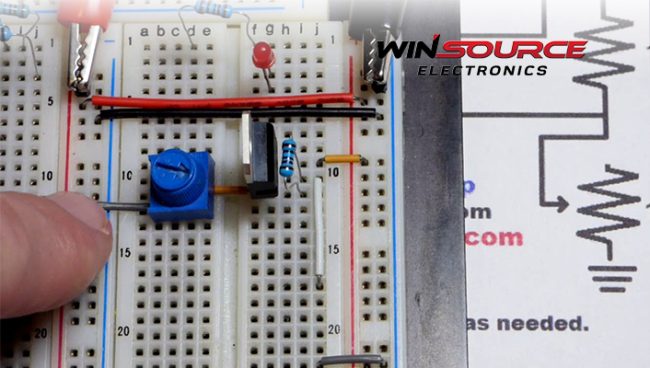
Functionality of Voltage Regulator
The primary function of a voltage regulator is to maintain a stable output voltage despite varying load conditions or input voltage variations. This is achieved by using a feedback loop that compares the output voltage to a reference and adjusts the regulator accordingly.
The LM317 uses an internal reference voltage of 1.25V to provide precise output voltages. By adjusting its resistive divider network, the output voltage can be set anywhere between 1.25V and 37V with a maximum load current of 1.5A.
Transient Response
Transient response refers to the ability of a voltage regulator to quickly respond to changes in its input or load conditions while maintaining a stable output voltage. In other words, it measures how fast the output voltage can reach its steady-state value after being subjected to a sudden change.
The LM317 has an impressive transient response due to its fast feedback loop and proprietary compensation techniques. It can respond to load changes within microseconds, making it suitable for use in sensitive electronic circuits that require a quick response time.
Ripple Rejection
Another crucial aspect of voltage regulation is the ability to filter out unwanted fluctuations or “ripple” from the output voltage. These ripples are caused by variations in the input voltage or load, and if left unfiltered, they can cause instability in the system. Ripple rejection measures how well a voltage regulator can suppress these fluctuations.
The LM317 has excellent ripple rejection capabilities due to its low output impedance and internal bypass capacitors. It can provide up to 80dB of ripple rejection at low frequencies, making it suitable for applications that require a clean and stable output voltage.
LM317 Dynamics
Now that we understand the basics of transient response and ripple rejection, let’s take a closer look at how the LM317 achieves such impressive performance. The key to its dynamic behavior lies in its three-stage design – error amplifier, pass transistor, and protection circuitry.
The error amplifier is responsible for comparing the output voltage to the reference and controlling the pass transistor to maintain a stable output voltage. It is a high-gain op-amp that can quickly respond to changes in its input.
The pass transistor, which is responsible for regulating the output voltage, is driven by the error amplifier. It acts as a variable resistor, adjusting its resistance based on the feedback signal from the error amplifier. This allows for precise control of the output voltage.
The protection circuitry is designed to safeguard the regulator and prevent any damage due to overcurrent or overheating. It includes features like thermal shutdown, current limiting, and safe operating area protection.
Applications of LM317
The LM317’s impressive transient response and ripple rejection capabilities make it a popular choice for various applications. Some common uses include:
Power supply circuits:
The LM317 is widely used in power supply circuits to provide stable and adjustable output voltages. Its fast response time and high ripple rejection make it suitable for sensitive electronic equipment.
Audio amplifiers: Due to its low noise and excellent ripple rejection, the LM317 is commonly used in audio amplifier circuits. It helps to eliminate any unwanted noise or interference from the power supply, resulting in a clean and clear audio output.
Battery chargers: The LM317’s adjustable output voltage feature makes it an ideal choice for battery charging circuits. It can be easily configured to provide the required charging voltage for different types of batteries, making it versatile and cost-effective.
LED drivers: As LEDs are sensitive to fluctuations in power supply, the LM317’s excellent ripple rejection makes it a popular choice for LED driver circuits. It ensures a stable and clean power supply, resulting in consistent and reliable LED performance.
Automotive electronics: The LM317’s ability to withstand high input voltage variations and provide a stable output makes it suitable for use in automotive electronic systems. It is commonly used in voltage regulators for car audio systems, headlights, and other components.
In conclusion, the LM317 voltage regulator is a versatile and reliable device that offers excellent transient response and ripple rejection. Its three-stage design and internal compensation techniques make it suitable for various applications, including power supplies, audio amplifiers, battery chargers, LED drivers, and automotive electronics.
If you are looking to purchase an LM317 or any other electronic components for your project, WIN SOURCE can be a good start. They offer a wide selection of high-quality components at competitive prices, making it the go-to source for electronic enthusiasts.
© 2025 Win Source Electronics. All rights reserved. This content is protected by copyright and may not be reproduced, distributed, transmitted, cached or otherwise used, except with the prior written permission of Win Source Electronics.

COMMENTS