
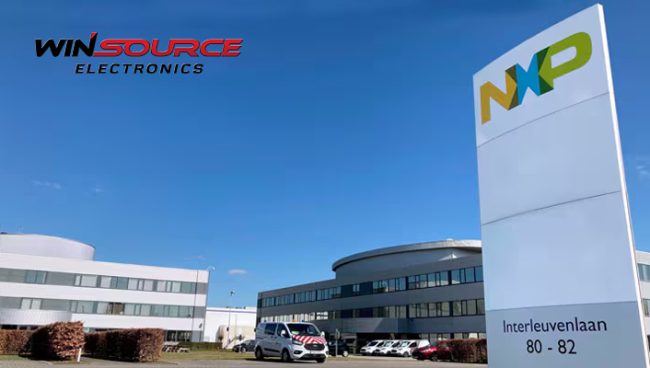
Introduction to NXP Semiconductors
NXP Semiconductors, headquartered in Eindhoven, Netherlands, is a global semiconductor manufacturer that designs and produces various semiconductor devices.
Established in 1953 as part of Philips, it became an independent company in 2006.
NXP specializes in developing solutions that enable secure connections and facilitate smarter interactions between various devices in the Internet of Things (IoT), automotive, industrial, and communication sectors.
How NXP Semiconductors Work
Semiconductors are the foundation of modern electronics, and NXP’s products are integral components within these systems.
These semiconductors are made from materials like silicon and are designed to have specific electrical properties that allow the controlled flow of electricity.
NXP Semiconductors focuses on various technologies, including microcontrollers, secure identification solutions, RF power, analog, power management, and connectivity solutions.
These technologies are crucial in enabling secure connections, powering wireless communications, and facilitating the functioning of devices in diverse industries.
Industry Uses of NXP Semiconductors
Here are some typical industry uses for NXP Semiconductors.
Automotive Industry
One of the significant sectors that heavily relies on NXP’s semiconductor solutions is the automotive industry. NXP’s products are instrumental in advancing vehicle safety, connectivity, and autonomy.
Their chips and sensors are integrated into various automotive systems, enabling functionalities such as advanced driver assistance systems (ADAS), secure vehicle-to-vehicle communication, and in-car infotainment.
IoT and Connectivity
NXP plays a pivotal role in shaping the IoT landscape. Their semiconductor solutions are embedded in smart devices, wearables, home automation systems, and industrial IoT applications.
These chips enable secure connections, data processing, and wireless communication, fostering a connected ecosystem that enhances efficiency and convenience.
Security Solutions
Security is paramount in today’s digital landscape, and NXP specializes in secure identification and authentication solutions.
Their chips incorporate encryption and secure elements, ensuring the protection of sensitive data in applications like mobile payments, e-passports, access control systems, and more.
Industrial and Consumer Electronics
NXP’s semiconductor solutions are also utilized in industrial automation, consumer electronics, and smart manufacturing.
These applications leverage NXP’s products for power management, embedded processing, and connectivity, thereby improving productivity and functionality.
Manufacturing Process of NXP Semiconductors
The manufacturing of semiconductors involves intricate processes that demand precision and advanced technology. Here’s an overview of the typical steps involved in making N XP’s semiconductor devices:
1. Design and Development
NXP’s engineers design semiconductor chips using specialized software tools. These designs undergo rigorous testing and simulation processes to ensure functionality and performance.
2. Wafer Fabrication
The designed semiconductor patterns are transferred onto silicon wafers through photolithography. This process involves coating the wafers with photoresist, exposing them to UV light through a photomask, and etching to create the desired circuit patterns.
3. Wafer Processing
Various techniques such as ion implantation, etching, and deposition are employed to modify the properties of the wafer and create the semiconductor components. These steps are repeated multiple times to build up the layers and components of the chip.
4. Packaging
Once the individual chips are manufactured on the wafer, they undergo the packaging process. This involves dicing the wafer into individual chips, mounting them on a package, and connecting them via wire bonding or flip-chip techniques.
5. Testing and Quality Control
After packaging, each chip undergoes rigorous testing to ensure functionality and quality. Defective chips are identified and discarded, maintaining high-quality standards.
Innovations and Future Prospects
NXP Semiconductors continues to innovate and adapt to the evolving technological landscape. They invest significantly in research and development to create more efficient, secure, and powerful semiconductor solutions.
Future prospects for NXP lie in further advancements in IoT connectivity, autonomous vehicles, artificial intelligence, and edge computing. With the increasing demand for secure and interconnected systems, NXP is well-positioned to continue its growth and contributions to various industries.
NXP Semiconductors – Conclusion
NXP Semiconductors plays a crucial role in powering the technologies that define our modern world. From automotive innovation to IoT connectivity and security solutions, their semiconductor products form the backbone of numerous industries.
Through continuous innovation and a commitment to excellence, NXP Semiconductors remains at the forefront of semiconductor technology, shaping the future of connected devices and systems worldwide.
If you’re looking to purchase any of the NXP Semiconductor range of products, then simply check out our store for a full range. If you have a further inquiry, then simply contact us at this link and we’ll be happy to assist.
© 2026 Win Source Electronics. All rights reserved. This content is protected by copyright and may not be reproduced, distributed, transmitted, cached or otherwise used, except with the prior written permission of Win Source Electronics.

COMMENTS