
* Question
What Aspects Should Be Focused On When Starting Circuit Board Debugging?
* Answer
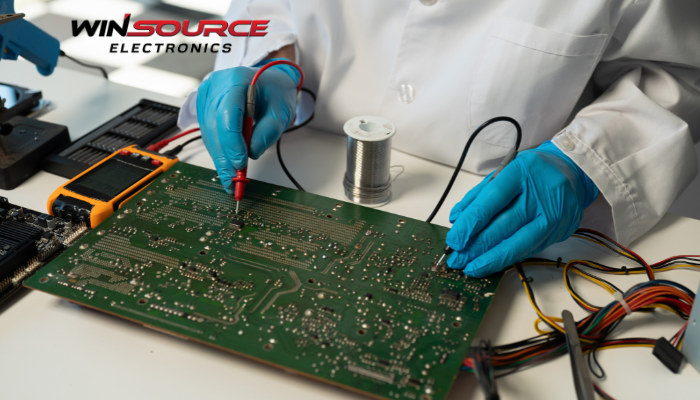
Circuit board debugging is a critical process in electronics design and manufacturing. It ensures that a circuit functions correctly and meets the design specifications. Debugging a circuit board involves systematic steps to identify, isolate, and fix issues such as signal integrity problems, component failures, or incorrect connections. Below are the key aspects to focus on when starting circuit board debugging.
1. Visual Inspection
The first step in any debugging process is a thorough visual inspection of the circuit board. Look for:
- Incorrect component placement: Ensure all components are correctly positioned as per the design schematic.
- Soldering issues: Check for cold solder joints, bridging, or missed connections.
- Damaged components: Inspect for physical damage like cracks, burns, or broken pins.
- Component orientation: Verify polarities for polarized components like capacitors and diodes.
Why it matters: A visual inspection can often reveal simple issues that could prevent the board from functioning, such as poor soldering or incorrectly placed components.
2. Power Supply Check
Before proceeding with more complex debugging, ensure the power supply is functioning properly. Check:
- Voltage levels: Verify that the input and output voltages are within expected ranges.
- Current consumption: Measure the current draw of the circuit; abnormal current levels may indicate short circuits or power-hungry components.
- Power rails: Ensure that power rails are correctly distributed to different parts of the circuit as intended.
Why it matters: A malfunctioning power supply can lead to a variety of circuit issues, including overheating, component stress, or incorrect signal behavior.
3. Signal Integrity and Oscilloscope Measurements
Signal integrity issues are a common cause of circuit malfunctions, especially in high-frequency circuits. Using an oscilloscope, check for:
- Clock signals: Verify proper waveform shape, amplitude, and timing for clock signals.
- Power noise: Inspect for voltage fluctuations or noise on power rails that can cause instability.
- Signal spikes: Check for signal distortions or spikes that could affect data transmission or logic operations.
Why it matters: Signal integrity is crucial for digital circuits, communication systems, and any system where precise timing is essential.
4. Component Testing and Replacement
For components that seem to be malfunctioning, component testing is necessary. Use the following methods:
- Multimeter checks: Test resistors, diodes, and capacitors for correct values and continuity.
- Diode mode: Test diodes and transistors in diode mode to ensure they are functioning properly.
- Substitution: Replace suspected faulty components with known working spares.
Why it matters: Components may fail due to manufacturing defects or improper handling, and testing or replacing them is key to isolating the problem.
5. Grounding and Connection Checks
Improper grounding and bad connections are common sources of issues. Ensure:
- Grounding: All ground connections should be securely connected and free of noise or voltage differences.
- Signal traces: Verify that signal traces are not open or shorted.
- Connector issues: Check for loose or improperly connected headers, connectors, and vias.
Why it matters: Poor grounding and connections can cause erratic circuit behavior, especially when the circuit is under load or high-frequency conditions.
6. Logic Analyzer for Digital Circuits
For digital circuits, use a logic analyzer to check:
- Timing relationships: Ensure signals are synchronized as per the design timing.
- Bus errors: Monitor bus traffic for any transmission errors or data corruption.
- Control signals: Verify proper generation and behavior of control signals like reset, enable, or interrupt.
Why it matters: A logic analyzer helps pinpoint specific timing or logic errors that may not be visible with other tools like oscilloscopes or multimeters.
7. Firmware and Software Debugging
If the circuit board includes a microcontroller or processor, firmware/software debugging should not be overlooked:
- Check for correct firmware load: Ensure the program is properly loaded onto the microcontroller.
- Monitor software execution: Use debugging tools like JTAGor SWD to monitor and step through code execution.
- Interrupt and peripheral handling: Verify that interrupts and peripheral devices are properly configured and handled by the software.
Why it matters: Software bugs can often masquerade as hardware issues. Ensuring that the firmware is functioning as expected is a key part of debugging the circuit.
8. Thermal Management
Excessive heat can indicate problems such as:
- Overloaded components
- Incorrect heat dissipation(e.g., missing heatsinks or poor thermal vias)
- Over-voltage conditions
Use an infrared thermometer or thermal camera to check for hot spots that might require further investigation or additional cooling solutions.
Why it matters: Excess heat can damage components, cause errors, and shorten the lifespan of your circuit board.
Engineering Insight
Starting circuit board debugging involves a systematic approach. By prioritizing visual inspection, power supply validation, and signal integrity checks, most issues can be identified early. Understanding the root cause often involves a combination of electrical and software analysis, especially in more complex designs.
Conclusion
Circuit board debugging is a step-by-step process that requires a thorough understanding of both hardware and software. Focus initially on the fundamentals — power, connections, and components — before moving on to more complex aspects like signal integrity and logic analysis. By methodically approaching each aspect, you can resolve issues efficiently and get your design back on track.

COMMENTS