* Question
What is System Flexibility?
* Answer
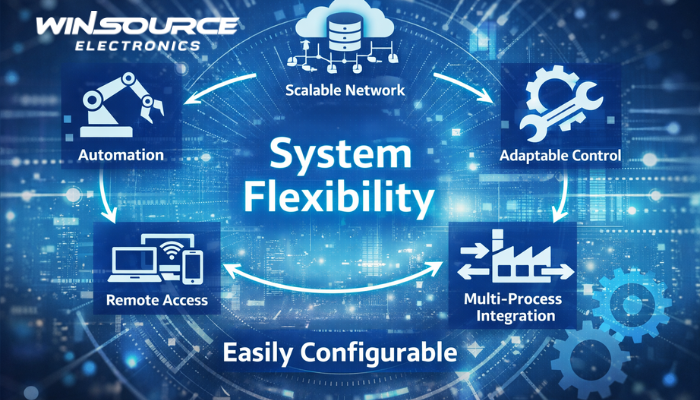
System flexibility refers to a system’s ability to adapt and respond to changing conditions or requirements. This adaptability applies to software, hardware, or operational processes. It’s particularly important in industries like electronics, where rapid technological advancements require systems that can be easily updated or modified.
Key Details:
- Definition: System flexibility is a system’s ability to adjust to new requirements, handle unexpected changes, and support various functions without significant disruptions.
- Importance in Electronics: In the electronics industry, flexibility allows for seamless integration of new components and keeps systems effective amid technological changes.
- Benefits of System Flexibility:
- Cost Efficiency: Reusing components and infrastructure reduces the need for major overhauls.
- Scalability: Systems grow alongside demand without requiring full redesigns.
- Faster Adaptation: Quick responses to market and technological changes maintain competitiveness.
- Innovation Support: New technologies and processes can be integrated without disrupting current operations.
Manufacturers:
- Electronics component manufacturers
- System integrators
- Semiconductor companies
Impacted Products:
- Modular systems
- Embedded systems
- IoT devices
- Industrial automation systems
Insight:
System flexibility is about future-proofing designs. In industries like electronics, creating systems that can evolve alongside technological progress is a strategic advantage.