* Question
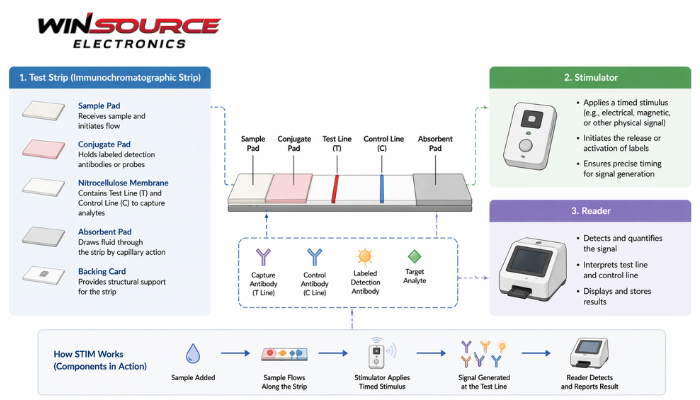
What is the composition of STIM?
* Answer
STIM (Stimulus-Timed Immunoassay) refers to a specific method used in immunoassays for detecting various substances, primarily based on the interaction between an antigen and an antibody. However, if you’re asking about the composition of STIM in another context, such as a specific product or compound, please clarify so I can provide a more targeted response.
If you’re referring to STIM in a different domain, like in the context of STIM proteins (Stromal Interaction Molecule), which are involved in cellular processes such as calcium signaling and immune responses, then:
Composition of STIM Proteins (Stromal Interaction Molecules):
STIM proteins are integral to the regulation of calcium ions in cells. They are composed of the following domains:
- EF-hand Domain:This domain is critical for the calcium-binding ability of STIM proteins. It allows STIM to sense changes in the calcium concentration within the endoplasmic reticulum (ER).
- COOH-terminal (C-terminal) Region:This region is responsible for the interaction with Orai channels in the plasma membrane, which regulates calcium influx when calcium levels in the ER are low.
- Single Transmembrane Domain:This segment anchors the STIM protein in the ER membrane.
In summary, STIM can refer to different things depending on the context—either related to immunoassay systems or cellular calcium signaling. If you need information on a specific STIM product, protein, or method, please specify.