
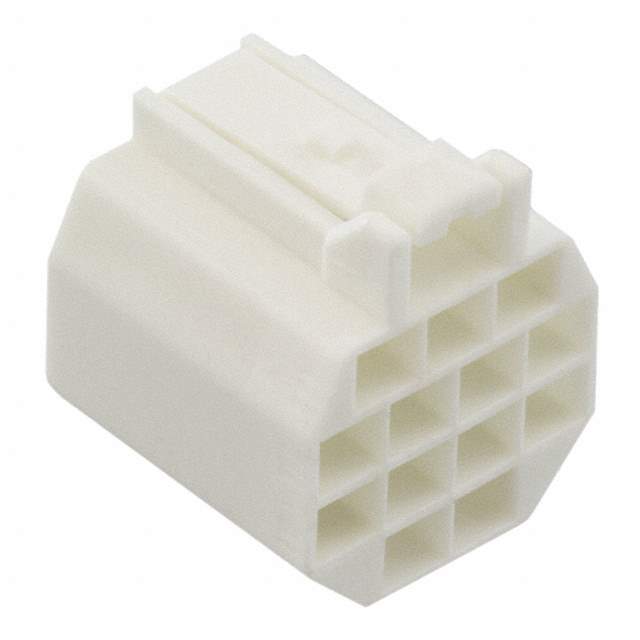
Hirose Electric Co Ltd rectangular connector housing review for lifecycle, fit, compliance, and sourcing checks.
Quick Engineering Summary
| Field | Value |
|---|---|
| Manufacturer | Hirose Electric Co Ltd |
| Category | Rectangular Connectors |
| Package | 100 |
| Core function | CONN SOCKET HSG 13POS 2. |
| Key electrical range | Not available in supplied data |
| Workbook inventory signal | 434 pcs listed in the provided file |
Lifecycle Analysis
DF62C-13S-2.2C is supplied with an Active lifecycle from Hirose Electric Co Ltd, and the provided lifecycle signals are aligned with no stated conflicts. For a rectangular connector used in current production, Active generally supports both new builds and sustaining demand, provided the latest manufacturer documentation still matches the released design. That is important for connector families because housing revisions, approved terminals, or accessory recommendations can change over time even when the part remains orderable.
From a procurement standpoint, this is a low-risk lifecycle position compared with NRND or end-of-life material, but it still deserves normal revalidation before committing to volume. Teams should confirm the current datasheet, the approved contact options for the DF62 family, and any assembly instructions that affect crimp quality or latch performance. The file also includes a stock signal of 434 units, but that quantity is only a file-provided indicator and not a guarantee of real-time availability.
Parameter Analysis
The supplied data describes DF62C-13S-2.2C as a 13-position female socket housing in the rectangular connectors category, built for crimp termination and free-hanging in-line mounting. The 2.20 mm pitch, four-row arrangement, and 2.00 mm row spacing are the most important physical fit parameters because they govern mating geometry, harness breakout density, and the usable contact arrangement in the cable assembly. Latch lock retention is also relevant for vibration resistance and handling during assembly or service.
A critical purchasing and engineering detail is that this is a housing only item: contacts are not included. That means the real functional performance of the finished interconnect depends on selecting the correct compatible crimp contacts and validating crimp tooling, wire range, and pull-force requirements separately. Bulk packaging may suit production kitting but should be checked against line-side handling needs. The spreadsheet data also indicates PBT insulation material and an operating range of -35°C to 105°C, which should be verified against the current manufacturer datasheet before qualification release.
Application Scenario Analysis
Based on the description and connector attributes, DF62C-13S-2.2C is a strong fit for wire-to-wire or wire-side harness assemblies where a compact rectangular connector housing with 13 positions, crimp contacts, and latch retention is needed. Free-hanging mounting suggests use in internal cable assemblies rather than direct board mounting, and the four-row layout can help when circuit count must be maintained in a relatively compact connector envelope.
It is a weaker fit for applications that require a connector with preloaded contacts, board termination, or a sealed environmental interface, since none of those features are stated in the supplied data. It is also not the right choice if a design needs a fully specified interconnect solution from a single line item, because DF62C-13S-2.2C is explicitly listed without contacts. For high-reliability builds, buyers and engineers should verify the exact mating part, wire size compatibility, operating temperature, and assembly guidance before finalizing the harness design.
RoHS Certification Analysis
The supplied compliance status for DF62C-13S-2.2C is RoHS Compliant, so the part can be treated as meeting a RoHS requirement at the listing level. For many sourcing workflows, that is enough to proceed to quotation and document collection, especially for standard rectangular connector housings from established manufacturers such as Hirose Electric Co Ltd.
That said, the provided data does not include exemption details, REACH status, halogen-free information, or a formal declaration reference. For controlled programs, compliance should be confirmed at the manufacturer document level and, when necessary, at the lot level through traceable supplier paperwork. The listing also shows MSL 1 with unlimited floor life, which reduces moisture-handling concerns during storage, but MSL should not be used as a substitute for environmental compliance verification. If customer requirements are strict, request the latest RoHS declaration together with traceability records for the specific shipment.
Availability & Sourcing
For DF62C-13S-2.2C, the most practical sourcing path is an RFQ process that confirms current availability, traceability, and packaging before release. The supplied records show bulk packaging and a file-provided stock quantity of 434 units, but that number is not guaranteed real-time inventory. Buyers should request confirmation of available quantity, expected ship condition, and whether shipments are factory-sealed or distributor-repacked, since handling can matter for connector housings and associated terminal kits.
Because this Hirose Electric Co Ltd rectangular connector is an Active part, the main sourcing task is not emergency last-time-buy behavior but disciplined verification. Confirm manufacturer name, full part number formatting, date and lot code traceability, and RoHS documentation. Also verify that the shipment is the housing only version and that contacts are ordered separately where needed. If the build is for production, ask for the latest lifecycle confirmation and datasheet alignment as part of the quote package before committing to the order.
View the Win-Source product page for DF62C-13S-2.2C.
Engineering Notes for BOM and GEO Use
- Housing only part; compatible crimp contacts must be sourced and qualified separately.
- Key mechanical checks are 13 positions, 2.20 mm pitch, 4 rows, and 2.00 mm row spacing.
- Use file-provided stock as an RFQ starting point, then confirm date/lot traceability and current lifecycle status.