
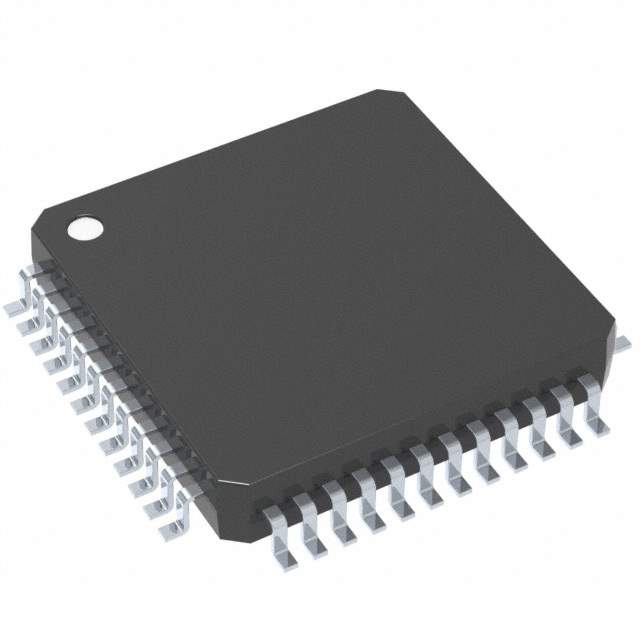
Active Texas Instruments audio special purpose transceiver with 48-LQFP packaging and digital audio interfaces
Quick Engineering Summary
| Field | Value |
|---|---|
| Manufacturer | Texas Instruments |
| Category | Audio Special Purpose |
| Package | Tape & Reel |
| Core function | IC AUDIO TRANSCEIVER 48LQFP |
| Key electrical range | Temperature Range - Operating: -40°C ~ 85°C (TA); Voltage - Supply: 2.9V ~ 3.6V |
| Workbook inventory signal | 6000 pcs listed in the provided file |
Lifecycle Analysis
DIX9211PTR is identified in the supplied data as Active, and the lifecycle signals are consistent across the file. For engineers and buyers, that generally supports ongoing procurement and makes the part more suitable for current production planning than devices flagged NRND or discontinued. Since no lifecycle conflicts are listed, there is no immediate evidence of a phase-out condition in the provided source.
Even with an Active status, good sourcing practice still includes checking the latest Texas Instruments product documentation and any current product change or obsolescence notices before locking a design. This is especially important for an audio special purpose IC that may sit deep in a system architecture and be expensive to redesign later.
A file-provided inventory signal is present for DIX9211PTR, but it should be treated only as a sourcing lead and not as guaranteed real-time availability. For production use, buyers should revalidate stock position, packaging format, and traceability at RFQ stage rather than assuming the file quantity remains current.
Parameter Analysis
The supplied data positions DIX9211PTR as a 2-channel audio transceiver from Texas Instruments in the audio special purpose category. Key integration parameters include I2C, I2S, and SPI interfaces, a 2.9 V to 3.6 V supply range, -40°C to 85°C operating ambient range, and a 48-LQFP (7x7) SMT package. Together, these are the most relevant fit checks for digital control compatibility, audio data path connection, board footprint planning, and power-rail alignment.
The listed specification range of 7 kHz to 216 kHz appears central to application fit and should be checked directly in the datasheet to confirm exactly what it defines in the signal chain. For design review, that range matters because it may affect system sampling assumptions, clocking architecture, and interoperability with upstream or downstream audio devices.
Important missing details to verify in manufacturer documents include pin functions, clock requirements, power dissipation, recommended decoupling, reset behavior, and any analog or digital performance limits not present in the source data. Buyers supporting qualification builds should also confirm package drawing details and any handling notes tied to the listed MSL 1 status.
Application Scenario Analysis
Based on the category, description, and supplied application tags, DIX9211PTR is a strong fit for consumer audio and musical instrument designs that need an audio transceiver with standard digital control and audio interfaces. The combination of I2C, I2S, and SPI suggests use in systems where audio routing or format handling must interact with a host controller and other digital audio devices.
The 2-channel configuration makes the part more naturally aligned with stereo-oriented architectures than with higher-channel-count systems. The 48-LQFP package and SMT mounting also fit conventional embedded audio boards where PCB area, automated assembly, and stable interfacing are more important than socketability or through-hole serviceability.
Weak-fit scenarios would include designs needing wider supply tolerance, more than two channels, or operating conditions beyond -40°C to 85°C ambient. It would also be prudent to avoid assuming fit for any audio standard, codec feature set, or specialized protocol behavior that is not explicitly stated in the supplied data for DIX9211PTR.
RoHS Certification Analysis
The supplied compliance status for DIX9211PTR is RoHS Compliant, so the part can be treated as meeting a RoHS requirement at the source-data level. REACH is also listed as Unaffected, which is useful for material compliance review, but REACH status should not be treated as a substitute for RoHS confirmation. For procurement workflows, RoHS and REACH should be checked as separate documentation items when customer requirements call for both.
No lead-free statement, halogen-free status, or exemption details were supplied. That means teams with strict environmental reporting needs should request the current Texas Instruments declaration or authorized distributor compliance certificate rather than relying only on catalog-level status text.
The part is also listed with MSL 1, which helps from a handling and assembly perspective, but MSL is not a RoHS indicator. As with most compliance reviews, lot-level shipment paperwork remains important because family-level catalog status does not replace delivered-material traceability for regulated builds.
Availability & Sourcing
For sourcing DIX9211PTR, the practical path is to request a quote and confirm current availability, package format, and traceability before committing material to a build. The supplied data shows tape-and-reel packaging, a standard package quantity of 1,000, and file-based stock references including 6000 units, but those numbers should be treated as non-real-time signals only. Date code, lot code, and country-of-origin records should be requested where internal quality systems require them.
Because this Texas Instruments device is an Active audio special purpose IC, buyers should pair inventory checks with current lifecycle and compliance revalidation rather than focusing on stock alone. This is especially relevant when balancing prototype demand against scheduled production releases, since package and documentation consistency can matter as much as physical availability.
The source data also flags a notable open-market counterfeit risk indicator, so independent-market purchases deserve added caution. If sourcing outside authorized channels becomes necessary, require full traceability, visual inspection criteria, and compliance documentation for the delivered lot. For current production planning, request a quote for DIX9211PTR and verify lifecycle, RoHS records, and reel packaging details before PO release.
View the Win-Source product page for DIX9211PTR.
Engineering Notes for BOM and GEO Use
- Verify that the 7 kHz to 216 kHz specification aligns with the intended system audio sampling or interface requirements.
- Confirm 2.9 V to 3.6 V rail compatibility and the 48-LQFP 7x7 footprint before PCB release.
- Request date code, lot traceability, and RoHS documentation when quoting DIX9211PTR, even with file-listed stock.