
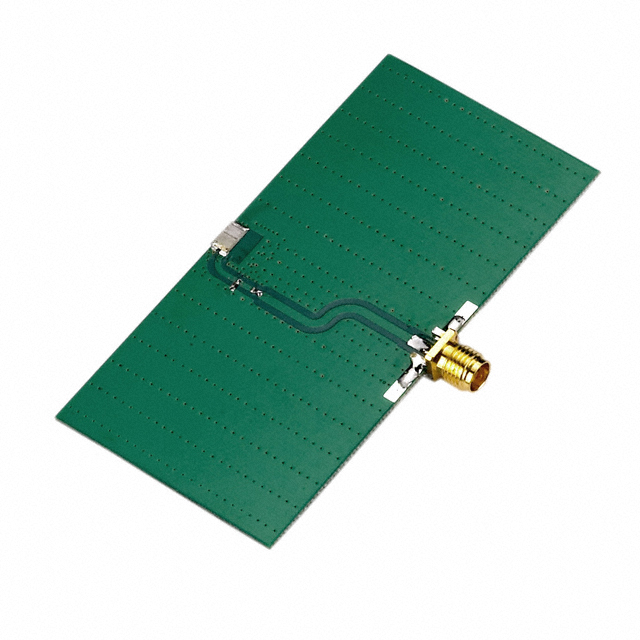
DLP Design Inc. 13.56MHz RFID antenna procurement and compliance review
Quick Engineering Summary
| Field | Value |
|---|---|
| Manufacturer | DLP Design Inc. |
| Category | RFID Antennas |
| Package | Bulk |
| Core function | RFID ANTENNA 13. |
| Key electrical range | Frequency: 13.56MHz; Supply and Demand Status: Shortage |
| Workbook inventory signal | 1 pcs listed in the provided file |
Lifecycle Analysis
DLP-RFID-ANT from DLP Design Inc. is identified in the supplied data as Active, and the lifecycle signals are consistent with no reported conflict. For engineering teams, Active status generally supports use in current builds and sustaining production better than parts marked NRND or EOL. For buyers, it means the part should still be under normal manufacturer support expectations, but that does not remove the need to verify the latest product documentation and approved source status before release.
The same file also shows a shortage indicator and file-based inventory signals. Those are useful procurement warnings, but they are not guaranteed real-time stock. For DLP-RFID-ANT, the practical reading is favorable lifecycle with possible supply tightness. If this RFID Antennas part is being designed into a production program, confirm current manufacturer literature, request lifecycle revalidation if your quality system requires it, and avoid relying on a single stock snapshot when planning builds.
Parameter Analysis
The most decision-relevant confirmed parameter for DLP-RFID-ANT is its 13.56MHz operating frequency. That places it in the HF RFID band and makes frequency alignment the first compatibility check with the intended reader architecture. The description also identifies a round antenna with coax, which matters for mechanical integration, cable routing, and reader-side connection strategy. Bulk packaging is listed, which can affect incoming handling and kitting but not electrical fit.
What is missing is just as important for engineering release. The supplied data does not confirm impedance, coax type or connector termination, antenna dimensions, mounting arrangement, read-zone characteristics, power handling, or environmental ratings. Those items directly influence matching, enclosure placement, detuning risk near metal or plastic structures, and system-level qualification. Before using DLP-RFID-ANT in a design, verify the manufacturer datasheet for physical size, cable details, tuning expectations, and any recommended spacing or host-material constraints relevant to RFID Antennas integration.
Application Scenario Analysis
Based on the available description, DLP-RFID-ANT is a strong fit for HF RFID reader assemblies that specifically require a 13.56MHz external or cabled antenna element. The round form factor and coax lead suggest use cases where the antenna must be positioned away from the main electronics, such as panel-mounted reader heads, access interfaces, benchtop identification fixtures, or embedded reader systems that benefit from flexible antenna placement.
The weaker-fit scenarios are designs that require tightly specified mechanical geometry, integrated board-level antennas, or well-defined read-field performance in difficult environments. Because the source data does not provide dimensions, connector details, shielding behavior, or performance near surrounding materials, it would be risky to assume suitability for space-constrained products or metal-adjacent installations without further validation. For DLP Design Inc. RFID Antennas products like DLP-RFID-ANT, system-level testing is especially important when enclosure materials, cable length, and reader matching network can materially change field behavior.
RoHS Certification Analysis
The supplied compliance status for DLP-RFID-ANT is RoHS Compliant. That is a useful starting point for procurement screening and suggests the part is intended to meet applicable substance restrictions under EU RoHS requirements. However, the file does not include a formal declaration number, exemption detail, or a lot-specific certificate, so compliance should be treated as a sourced attribute pending document verification where your process requires it.
For production purchasing, request current manufacturer or authorized-source compliance evidence and ensure the document maps clearly to the exact DLP-RFID-ANT ordering identity being purchased. RoHS status can be maintained at a family or manufacturer level, but receiving inspection and customer audits may still require traceable paperwork tied to shipped lots. No REACH, halogen-free, or MSL information is provided in the source data, so those should not be assumed from the RoHS statement alone.
Availability & Sourcing
DLP-RFID-ANT is listed as an Active DLP Design Inc. RFID Antennas part, but the source file also flags shortage conditions. Inventory signals appear in two places, including a workbook quantity and a stock quantity field, and these values are not fully aligned. Treat them as file-provided indicators rather than real-time availability. For current planning, the right next step is to request a quote and confirm on-hand status, lead time, and pack condition for the exact part number.
For procurement control, ask for traceability to the manufacturer, date and lot code information, packaging confirmation for bulk supply, and current RoHS documentation. If the part will support production, also verify whether the supplied stock is from recent receipt or older inventory, since storage history can matter for cable-attached RF components. Because DLP-RFID-ANT is Active, the sourcing priority is straightforward: obtain a current quote, validate compliance documents, and confirm lifecycle status and stock before locking it into a build schedule.
View the Win-Source product page for DLP-RFID-ANT.
Engineering Notes for BOM and GEO Use
- Verify coax interface, antenna dimensions, and mounting method before PCB or enclosure release.
- 13.56MHz confirms HF RFID use, but matching and reader integration details still need datasheet validation.
- Active lifecycle is favorable, yet shortage and low listed stock signals justify early RFQ and traceability checks.