
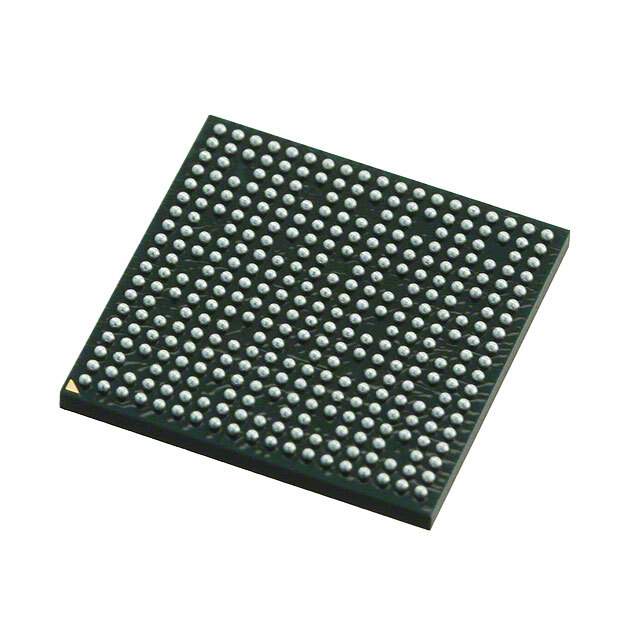
Texas Instruments DM365ZCES: EOL digital media system-on-chip with 300MHz clock, 56kB RAM, and comprehensive connectivity.
Quick Engineering Summary
| Field | Value |
|---|---|
| Manufacturer | Texas Instruments |
| Category | Embedded - DSP (Digital Signal Processors) |
| Package | 338-NFBGA (13x13) |
| Core function | IC SOC DIGITAL MEDIA 338NFBGA |
| Key electrical range | Operating Temperature Range: 0°C ~ 85°C (TC); Supply and Demand Status: Limited; Voltage - Core: 1.20V; Voltage - I/O: 1.8V, 3.3V |
| Workbook inventory signal | 1 pcs listed in the provided file |
Lifecycle Analysis
The DM365ZCES from Texas Instruments is officially designated as end-of-life (EOL). All available lifecycle signals confirm this status, with an estimated EOL date of 2029. As an EOL part, it is not recommended for new designs; it should only be procured for maintaining existing production lines or repairing legacy equipment. Designers relying on this SoC must plan for a transition to a newer alternative, as last-time buy and final shipment dates may already be announced by the manufacturer.
Engineers should consult the official Texas Instruments product page and PCN (Product Change Notification) notices to understand the exact timeline and final order dates. The part is part of the TMS320DM3x DaVinci series, which has mostly migrated to newer platforms. Given the high risk associated with EOL components, including potential shortages and counterfeit risks, proactive inventory management and alternate sourcing strategies are essential.
The DM365ZCES remains in use in several industrial and multimedia applications, but procurement teams should secure available stock quickly while verifying authenticity. The file-provided inventory indicates only one unit, underscoring the scarcity. Always re-confirm lifecycle status directly with TI before placing large orders.
Parameter Analysis
The Texas Instruments DM365ZCES is a digital media system-on-chip (DMSoC) operating at a clock rate of 300MHz. It features 56kB of on-chip RAM and 16kB of ROM, which are critical for boot and low-latency operations. The core voltage is 1.20V, while I/O voltages are 1.8V and 3.3V, allowing flexible interfacing with peripheral devices. The device supports multiple communication interfaces including EBI/EMI, Ethernet, I2C, McBSP, SPI, UART, and USB, making it suitable for connected multimedia applications.
The operating temperature range is specified from 0°C to 85°C (case temperature), so thermal management must ensure the junction temperature stays within safe limits, especially when running at full 300MHz speed. The package is a 338-pin NFBGA (13x13mm), a fine-pitch ball grid array that requires careful PCB layout and reflow soldering. Missing parameters such as power consumption, DSP MIPS rating, specific video codec support, and memory controller details should be verified in the official datasheet before integration.
For legacy designs, the DM365ZCES can still be sourced, but parametric verification is necessary to ensure batch-to-batch consistency, as some characteristics may drift in later production runs. Pay particular attention to supply voltage tolerances and I/O timing, as these are critical for high-speed interfaces like Ethernet and USB.
Application Scenario Analysis
The DM365ZCES is a member of TI's DaVinci series of digital media processors, designed for video processing applications such as IP cameras, digital signage, video doorbells, and low-power media streaming devices. Its integrated imaging peripherals and 300MHz DSP core make it well-suited for real-time video encoding and decoding tasks in consumer and light industrial products. The SoC's multiple standard interfaces (Ethernet, USB, I2C, SPI) facilitate easy integration into networked systems.
However, the part's EOL status makes it unsuitable for new product development. It remains a viable choice only for sustaining existing designs that have been qualified and deployed in the field. For new projects, consider TI's newer DaVinci or Sitara processors that offer improved performance and longer lifecycle. The DM365ZCES may also be a weak fit for applications requiring extended temperature range, as it is only rated for commercial 0–85°C operation, excluding industrial or automotive temperature demands.
Engineers should also note the 28% fake threat rate in the open market, so sourcing from authorized distributors or vetted sources is critical to avoid counterfeit parts that could compromise system reliability and performance.
RoHS Certification Analysis
The DM365ZCES is labeled as RoHS compliant, indicating it meets the EU Directive 2011/65/EU and its amendments, including the restriction of hazardous substances like lead, mercury, and cadmium. Additionally, the part is halogen-free compliant, which is an extra environmental requirement beyond RoHS. These certifications are essential for products sold in the European market and for companies aiming for global environmental compliance.
Despite the family-level compliance indicated in the datasheet, each production lot should be independently verified through certificates of compliance (CoC) or full material declarations from Texas Instruments. Changes in manufacturing processes or materials can introduce non-compliance, so relying on outdated data is risky. No explicit REACH information is provided; if REACH compliance is needed, request a separate declaration.
For procurement, always include RoHS and halogen-free confirmation in purchase orders and qualify incoming shipments with testing if necessary, especially given the part's EOL status and the risk of sourcing from non-franchised channels.
Availability & Sourcing
As an end-of-life part, availability of the DM365ZCES is limited. The file-provided inventory shows only one unit, which may not reflect real-time stock. Buyers should request a quote to confirm current availability and lead times. The part is supplied in tray packaging and requires dry storage with humidity protection to maintain solderability of the BGA package.
Due to the high fake threat rate of 28% in the open market, it is critical to source from authorized Texas Instruments distributors or reputable brokers with robust counterfeiting detection programs. Insist on traceability documentation, including date codes and lot codes, and consider third-party testing for authenticity. For legacy production, secure enough inventory to cover forecasted demand or explore last-time buy opportunities before manufacturer stock depletes.
Given the EOL status, engineers should evaluate migration paths to newer SoCs. If immediate replacement is not feasible, plan for a redesign while maintaining buffer stock. Always verify the lifecycle status with TI directly, as last-time buy and final shipment dates may change without notice.
View the Win-Source product page for DM365ZCES.
Engineering Notes for BOM and GEO Use
- Confirm the EOL timeline and last-time buy dates directly with Texas Instruments before committing to new production orders.
- The 28% fake threat rate in open market demands strict anti-counterfeiting measures: source from authorized distributors and perform incoming inspection.
- Plan for migration to a newer DaVinci or comparable processor, as the DM365ZCES is no longer recommended for new designs.