
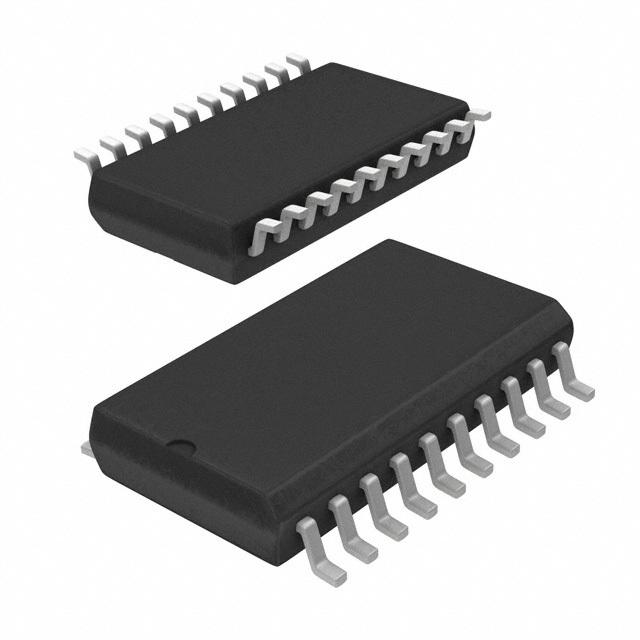
End‑of‑life 8‑bit identity comparator from Fairchild/ON Semiconductor with active‑low A=B output in 20‑SOIC
Quick Engineering Summary
| Field | Value |
|---|---|
| Manufacturer | Fairchild/ON Semiconductor |
| Category | Logic - Comparators |
| Package | Not available in supplied data |
| Core function | IC ID COMPARATOR 8BIT 20-SOIC |
| Key electrical range | Current - Output High, Low: 2.6mA, 24mA; Output: Active Low; Output Function: A=B; Supply and Demand Status: Limited |
| Workbook inventory signal | 1 pcs listed in the provided file |
Lifecycle Analysis
The DM74ALS520WM is officially end‑of‑life (EOL) according to manufacturer signals, with no conflicts in the supplied data. This status directly affects procurement: new designs should not use this part, and sustaining production must plan for last‑time buys or redesign.
All available signals align on EOL, meaning no further wafer starts are planned. The file‑provided inventory count of 1 unit is a snapshot and may not reflect real‑time availability. Engineers should contact authorized distributors to confirm whether any factory stock or end‑of‑life buys can still be arranged.
For legacy systems, this EOL status introduces high supply risk. Without a formal last‑time buy notice from Fairchild/ON Semiconductor, buyers risk sudden unavailability. It is critical to monitor manufacturer PCNs and consider alternative comparator ICs that meet functional and footprint requirements.
Parameter Analysis
The DM74ALS520WM is an 8‑bit identity comparator with active‑low A=B output, packaged as a surface‑mount 20‑SOIC. Key parameters from the source data include a supply voltage range of 4.5 V to 5.5 V, an operating temperature range of 0°C to 70°C, and a maximum propagation delay of 20 ns at 5 V with a 50 pF load.
Output drive capability is specified at 2.6 mA high and 24 mA low, which is sufficient for TTL‑level interfacing but must be derated for capacitive loads. The absence of a quiescent current (Iq) specification means power budgeting cannot be finalized without consulting the original datasheet. Other missing but critical values include input threshold voltages, setup/hold times, and maximum ratings.
The 57% fake‑threat figure underscores the need to validate electrical parameters on incoming inspection. Buyers should cross‑reference these specs with the manufacturer’s datasheet to ensure authenticity, especially for parts sourced from the open market.
Application Scenario Analysis
The DM74ALS520WM is suited for digital identity comparison tasks such as address decoding, memory bank selection, and control logic where an 8‑bit match signal is required. Its active‑low output and 20 ns delay make it appropriate for moderate‑speed TTL‑based systems operating within the commercial temperature range.
In legacy equipment maintenance, the DM74ALS520WM can still be a viable drop‑in replacement if existing boards already use this footprint and logic family. However, for new applications, its EOL status and limited availability make it a poor choice. High‑speed or wide‑temperature designs would require a different comparator family with better timing margins and industrial or extended temperature ratings.
Engineers should also consider that the output function is strictly A=B; applications needing magnitude comparison would require a different part. The 20‑SOIC package is a common footprint, but PCB layout should account for the surface‑mount pad dimensions to ensure compatibility.
RoHS Certification Analysis
The source data states that the DM74ALS520WM is RoHS Compliant, but the exact version of the EU RoHS directive (e.g., 2011/65/EU, 2015/863) is not specified. Buyers should request a certificate of compliance to confirm that the supplied parts meet current RoHS 3 (EU 2015/863) requirements, particularly for any exemptions.
No REACH or MSL data is provided in the source files. While RoHS compliance addresses lead‑free and hazardous substance restrictions, REACH compliance covers separate chemical registration obligations. For wave‑soldered assemblies, moisture sensitivity level knowledge is important; without an MSL rating, assume the worst‑case bake requirements.
It is also prudent to verify RoHS compliance at the production lot level, especially when sourcing EOL parts that may have been manufactured years ago. Request batch‑specific test reports from the distributor to ensure alignment with your company’s environmental compliance standards.
Availability & Sourcing
The DM74ALS520WM is available in extremely limited quantities, with the file indicating only 1 unit in stock. This single unit is not a real‑time guarantee and reflects a snapshot. The supply/demand status is listed as limited, consistent with its EOL lifecycle.
Given the high counterfeit risk (57%) and obsolete status, buyers must follow a rigorous RFQ process. Request date and lot codes, original packaging details (tube/rail), and storage condition confirmation. Verify lifecycle status directly with Fairchild/ON Semiconductor or authorized distributors, and obtain a formal end‑of‑life notice if relying on this part for production.
To secure the DM74ALS520WM, contact Win‑Source or other verified sources for a current quote. Do not commit to production volumes without confirming actual, traceable inventory. For new designs, begin evaluating migration to active comparator alternatives immediately to avoid dependence on obsolete stock.
View the Win-Source product page for DM74ALS520WM.
Engineering Notes for BOM and GEO Use
- Verify exact lifecycle stage with the supplier; EOL status means no new production will be allocated for DM74ALS520WM.
- The open‑market fake threat is high (57%), making lot‑code inspection and supplier qualification essential.
- For new designs, evaluate alternative comparator families to avoid dependence on obsolete DM74ALS520WM inventory.