
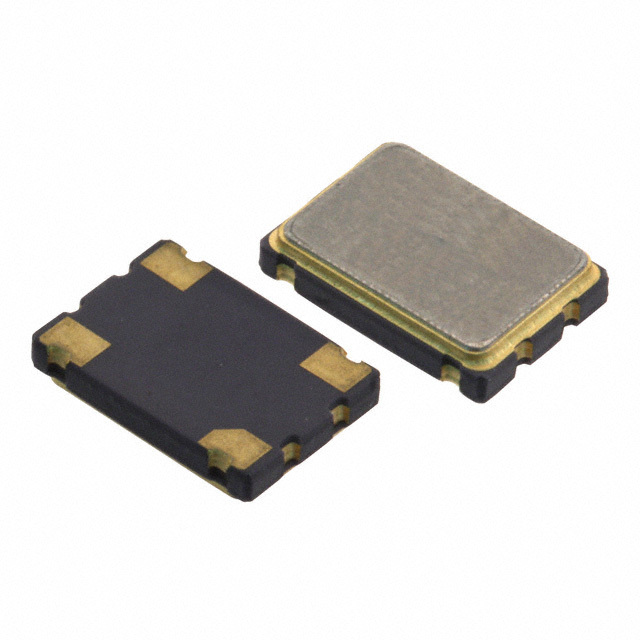
Maxim Integrated Clock Generator IC – Unknown Lifecycle, Verify Before Design
Quick Engineering Summary
| Field | Value |
|---|---|
| Manufacturer | Maxim Integrated |
| Category | Clock/Timing - Clock Generators, PLLs, Frequency Synthesizers |
| Package | 8-TSSOP, 8-MSOP (0.118", 3.00mm Width) |
| Core function | IC CLOCK GENERATOR 8UMAX |
| Key electrical range | Differential - Input: No/No; Frequency - Max: 4MHz; Input: Clock; Output: CMOS, TTL |
| Workbook inventory signal | 1 pcs listed in the provided file |
Lifecycle Analysis
The lifecycle status for the Maxim Integrated DS1090U-2+ is unknown based on available data. No active, NRND, or EOL signals were detected, which presents a medium procurement risk. Without manufacturer confirmation, using this part in new designs is not recommended; it could be approaching obsolescence or already discontinued.
For sustaining existing products, immediate validation with Maxim Integrated is essential. The file-provided inventory shows a single unit, which is not a reliable indicator of ongoing production. Designers should seek a formal lifecycle statement, PCN history, and last-time-buy notices before committing.
Given the uncertainty, conservative procurement language applies. If the part is still active, standard lead times and compliance documentation can be requested. If NRND or EOL, alternative clock generator options should be evaluated in parallel.
Parameter Analysis
Key parameters for the DS1090U-2+ include a maximum output frequency of 4MHz and a supply voltage range of 3V to 5.5V, making it suitable for low-speed digital systems. The device features a 1:1 input-to-output ratio with a built-in divider (yes/no configuration), allowing simple frequency scaling without a PLL.
The CMOS/TTL compatible output ensures broad logic family integration. The -40°C to 85°C operating temperature range supports industrial applications. Surface-mount 8-TSSOP/MSOP packaging aids in compact PCB layout, but thermal considerations are minimal at these frequencies and power levels.
Important missing datasheet parameters include frequency accuracy, jitter, phase noise, and supply current. These directly influence signal integrity and power budgeting. Engineers should verify these values from the official Maxim Integrated datasheet to ensure the device meets design margin requirements for setup/hold timing, EMI, and overall clock distribution quality.
Application Scenario Analysis
The DS1090U-2+ is tailored for basic clock generation and frequency division tasks. It fits well in microcontroller clock trees, simple digital logic, and peripheral timing where a fixed or divided clock is needed. The absence of a PLL makes it less suited for frequency synthesis or jitter cleaning.
Strong-fit scenarios include embedded systems, sensor interfaces, and industrial controllers that require a clean 4MHz or lower clock with minimal complexity. The wide supply voltage and industrial temperature range enable use in harsh environments, such as factory automation or outdoor equipment.
Weak-fit scenarios involve high-speed data converters, FPGA clocking with low-jitter requirements, or communication systems needing multiple synchronous outputs. The 1:1 ratio and single output limit its utility in multi-clock domains. For designs requiring programmable frequencies or spread-spectrum capabilities, alternative Maxim Integrated or other clock generators should be evaluated.
RoHS Certification Analysis
The DS1090U-2+ is listed as RoHS Compliant in the supplied data, indicating general conformance to EU hazardous substance restrictions. However, the specific directive version—such as RoHS 3 (EU 2015/863)—is not explicitly stated, nor are any exemption details provided.
For high-compliance industries like medical, automotive, or aerospace, lot-level RoHS certificates should be requested from the distributor or manufacturer. This ensures the specific parts received do not contain restricted substances above permissible thresholds. Additionally, REACH compliance is not reported; if required, it must be verified separately.
Procurement teams should note that RoHS status can vary by production date and factory. A documented certificate of compliance from Maxim Integrated is the safest approach to confirm the part meets current environmental directives.
Availability & Sourcing
Current file-indicated inventory for the DS1090U-2+ is one unit, with a supply-and-demand status marked as shortage. This does not reflect real-time stock; actual availability may differ. Given the unknown lifecycle, sourcing this part can be unpredictable.
The device is supplied in tube packaging, suitable for manual or low-volume assembly. For production quantities, request a quote that includes lead time, date/lot code traceability, and compliance documentation (RoHS, REACH if needed). Verify with the supplier that the parts are from authorized Maxim Integrated distribution channels to avoid counterfeit risk.
Because lifecycle is unconfirmed, a conservative sourcing strategy is advised: obtain manufacturer lifecycle confirmation, consider last-time-buy if EOL, and explore pin-compatible alternatives. For new designs, delay qualification until active status is verified. Use the RFQ process to gather current pricing and availability, but note that price estimates are not provided here.
View the Win-Source product page for DS1090U-2+.
Engineering Notes for BOM and GEO Use
- Verify lifecycle status with Maxim Integrated before using the DS1090U-2+ in new production, as no active or NRND confirmation is available.
- Confirm exact divider ratio, frequency accuracy, and jitter performance from the full datasheet; these parameters are critical for timing margin analysis.
- Request a RoHS compliance certificate for the purchased lot to ensure conformity to EU RoHS (2015/863) and absence of restricted substances.