
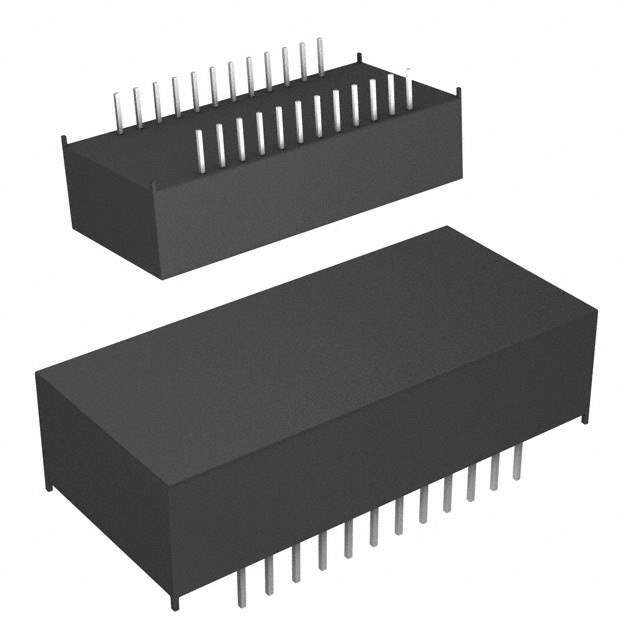
Maxim Integrated NVSRAM with 100ns access, parallel interface, and through-hole DIP-24 package
Quick Engineering Summary
| Field | Value |
|---|---|
| Manufacturer | Maxim Integrated |
| Category | SRAM |
| Package | 24-EDIP |
| Core function | IC NVSRAM 16KBIT PARALLEL 24EDIP |
| Key electrical range | Operating Supply Voltage: 4.5 V ~ 5.5 V; Operating Temperature Range: 0°C ~ 70°C (TA); Supply and Demand Status: Limited |
| Workbook inventory signal | 315 pcs listed in the provided file |
Lifecycle Analysis
The DS1220AD-100+ lifecycle status is unknown based on the provided data. No official lifecycle designation (Active, NRND, EOL) is present, though an Estimated EOL Date of 2025 is mentioned in specifications. This field is not a manufacturer guarantee and may not reflect current Maxim Integrated planning. Without confirmed status, design-in risk is medium.
For new designs, the unknown status demands immediate verification with the manufacturer. If the DS1220AD-100+ is still active, it may serve new projects; if transitioning to NRND or discontinued, alternate parts should be evaluated. For sustaining production, secure inventory buffers and monitor distributor channels. The supplied workbook quantity of 315 units is a file snapshot and not real-time availability.
Engineers should request a formal product change notification (PCN) or lifecycle statement from Maxim Integrated. Cross-reference the part number on the Analog Devices website, as Maxim Integrated is now part of Analog Devices, for the most current status. Treat any absence of lifecycle signals conservatively to avoid production disruptions.
Parameter Analysis
The DS1220AD-100+ is a 16Kb NVSRAM organized as 2K x 8 with 100ns access and write cycle times. Its parallel interface and through-hole 24-DIP package suit legacy and prototype designs. The 4.5V–5.5V operating voltage and 0°C to 70°C commercial temperature range define the operational envelope; derating for power supply noise and thermal margins is prudent.
Key parameters to verify from the datasheet include standby current, data retention endurance, and write cycle durability. The device’s non-volatile technology relies on internal backup, so understanding SRAM-to-NV transition timing is critical. Missing parameters like input capacitance, output drive strength, or bus hold features could impact PCB layout and signal integrity. Review the official Maxim Integrated DS1220AD datasheet for complete AC/DC characteristics.
For integration, pay attention to memory mapping and timing compatibility with your host controller. The 100ns speed is typical for 5V-era designs; ensure your system’s bus timing can tolerate this access time. Also confirm the through-hole footprint matches your board layout, as the 0.600-inch wide DIP module may require retrofitting in modern SMT-centric designs.
Application Scenario Analysis
The DS1220AD-100+ is well-suited for applications requiring non-volatile memory with SRAM-like write speeds and unlimited write endurance. Typical use cases include industrial controllers, point-of-sale terminals, medical instrumentation, and telecom infrastructure where data must survive power loss without battery backup. Its parallel interface and 5V operation align with legacy microprocessor systems.
Strong-fit scenarios involve through-hole, DIP-based designs that need a drop-in, battery-free non-volatile memory upgrade. The commercial temperature range limits it to indoor or controlled environments; for harsher conditions, consider extended-temperature variants. The non-volatile SRAM technology eliminates the complexity and reliability concerns of battery-backed SRAM, making it attractive for retrofit projects in aging equipment.
Weak-fit scenarios include modern low-power, high-density memory applications. The small 16Kb capacity and 5V-only operation are insufficient for many new designs that prefer SPI/QSPI serial NVSRAM or larger FRAM/EEPROM. Additionally, the through-hole package is incompatible with surface-mount manufacturing flows. For space-constrained or portable devices, alternative package options should be explored.
RoHS Certification Analysis
The DS1220AD-100+ is listed as RoHS Compliant in the provided data. This suggests conformance to the EU Restriction of Hazardous Substances directive, likely under 2011/65/EU and its amendment 2015/863. RoHS compliance typically means the part avoids lead, mercury, cadmium, and other restricted substances above permitted levels.
However, the data does not include a specific RoHS certificate or REACH statement. While RoHS Compliant status is common for active through-hole parts, exemptions (e.g., lead in glass or ceramics) may apply. For complete due diligence, request the manufacturer’s Declaration of Conformity, especially if the part is destined for EU markets. REACH compliance is separate and not indicated here; confirm separately if needed.
Lot-level testing may vary, so for high-reliability applications, ask the distributor for batch-specific compliance reports. Since the part is through-hole, wave soldering processes must still meet lead-free temperature profiles. The absence of MSL data is typical for through-hole packages, but storage conditions recommend humidity protection, as noted in the storage condition field.
Availability & Sourcing
The DS1220AD-100+ is available through sourcing platforms like Win Source, with a workbook quantity of 315 units indicated. This figure is a snapshot from the source data and not a real-time inventory guarantee. The supply and demand status is marked as Limited, suggesting spotty availability. The open-market fake threat rating is 53%, so authorized distribution channels are strongly recommended.
To procure, request a quote specifying the full part number, and ask for date/lot codes to verify authenticity and storage conditions. The part is stored in a dry cabinet with humidity protection, but request vacuum-sealed packaging if moisture sensitivity is a concern. For production volumes, negotiate lead times and ask for lifecycle verification from the supplier.
Given the unknown lifecycle status, approach sourcing with caution. If the DS1220AD-100+ is intended for new designs, first confirm active status with Maxim Integrated. If supporting existing equipment, consider purchasing excess stock to cover projected needs, especially with an estimated EOL year of 2025. For legacy systems planning migration, evaluate pin-compatible alternatives or request official PCN documents to guide replacement strategies.
View the Win-Source product page for DS1220AD-100+.
Engineering Notes for BOM and GEO Use
- Verify lifecycle status with Maxim Integrated prior to new designs, as no official lifecycle data is available.
- The open-market fake threat is 53%, so source only from authorized distributors and request batch test reports.
- Ensure the 5V supply and 0-70°C operating range match your design; for industrial environments consider temperature-margin analysis.