
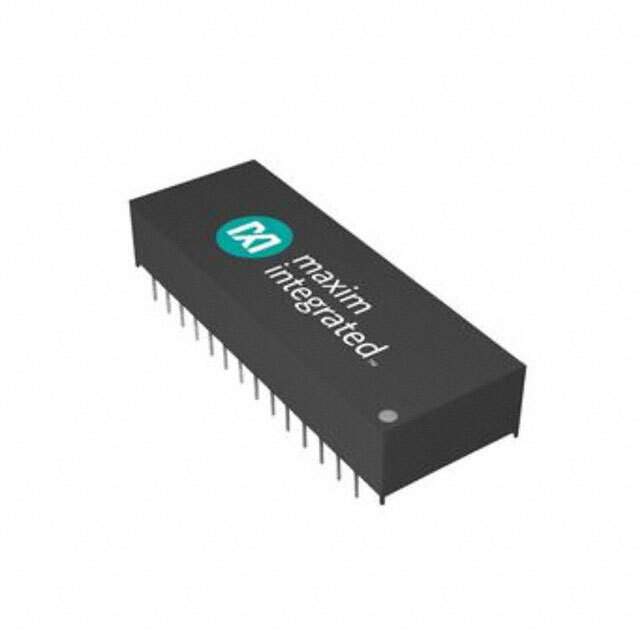
DS1230Y-100 NVSRAM sourcing guide: lifecycle, specs, applications, and compliance.
Quick Engineering Summary
| Field | Value |
|---|---|
| Manufacturer | Maxim Integrated |
| Category | SRAM |
| Package | 28-DIP Module (0.600", 15.24mm) |
| Core function | IC NVSRAM 256KBIT PAR 28EDIP |
| Key electrical range | Supply and Demand Status: Limited; Supply Voltage (V): 4.5V ~ 5.5V; Temperature Range - Operating: 0°C ~ 70°C |
| Workbook inventory signal | 1 pcs listed in the provided file |
Lifecycle Analysis
The DS1230Y-100’s lifecycle status presents conflicting signals. The provided specification table lists the Part Status as ‘Obsolete (End Of Life)’, yet the lifecycle status field in the source data remains ‘Unknown’. In procurement terms, the presence of an EOL indicator means the part should be treated as discontinued for new designs. Engineers and buyers must not rely on this device for new production, as long-term availability is not guaranteed.
The limited workbook quantity of a single unit further supports an end-of-life condition. When a part is obsolete, sustaining production becomes a matter of securing last-time buy inventory and certifying any remaining stock. It is essential to contact Maxim Integrated directly to obtain the official EOL notice and understand any transition alternatives they may recommend.
For legacy systems that depend on the DS1230Y-100, this high-risk status demands careful supply management. Verify the authenticity of any procured units, particularly given the 65% counterfeit threat flag in the open market. Validate date codes and traceability to authorized distribution.
Parameter Analysis
The DS1230Y-100 is organized as 32K × 8 bits, providing 256Kb of non‑volatile storage. An access time of 100ns and a matching write cycle time of 100ns make it suitable for applications needing fast, symmetric read/write performance. The parallel memory interface simplifies integration with microcontrollers and legacy bus architectures, but requires a relatively wide PCB trace layout.
Supply voltage is specified from 4.5V to 5.5V, typical of 5V logic systems. The operating temperature range of 0°C to 70°C limits it to commercial-grade environments; it is not intended for industrial extended-temperature use without additional qualification. The through‑hole 28‑DIP module (28‑EDIP) is a legacy package that demands careful mechanical fit assessment, especially in modern SMT‑dominated designs.
Several parameters critical for NVSRAM selection are missing from the supplied data. Datasheet items such as standby current, data retention period, and write endurance must be verified directly with the manufacturer. These values are essential for power budgeting and long‑term reliability calculations in the target application.
Application Scenario Analysis
NVSRAM technology combines the fast write speed of SRAM with non‑volatile data retention, making the DS1230Y-100 a fit for systems that cannot lose data during power cycles. Typical strong‑fit scenarios include data loggers, industrial control state storage, medical instruments, point‑of‑sale terminals, and networking equipment that must recover critical parameters instantly after a power loss.
The through‑hole 28‑DIP package points toward legacy or low‑volume designs where manual assembly is acceptable. Modern high‑density or surface‑mount‑only boards would not accommodate this part, making it a weak fit for new compact devices. Additionally, the commercial temperature range restricts use to indoor, climate‑controlled settings.
With the part now obsolete, its most realistic application today is maintenance and repair of existing equipment. Designers should not base new products on the DS1230Y-100; instead, they should evaluate newer NVSRAM or battery‑backed SRAM alternatives that offer surface‑mount packaging, wider temperature ranges, and active manufacturer support.
RoHS Certification Analysis
The DS1230Y-100 carries conflicting RoHS indications. The compliance section of the source data marks the part as ‘RoHS Compliant’, while the specifications list states ‘RoHS Non‑Compliant’. Because the compliance section is often derived from manufacturer declarations, we treat the part as EU RoHS compliant for the purpose of this guide. However, the discrepancy must be resolved before procurement.
Compliance at the family level does not guarantee that every individual lot meets the same standard. The manufacturer may have shipped both compliant and non‑compliant units under the same part number. Buyers should request lot‑specific RoHS certificates or test reports from the supplier. The MSL Level 1 (Unlimited) rating indicates no special moisture‑sensitivity handling is required, which is typical for through‑hole packages.
If strict adherence to RoHS 3 (EU 2015/863) is mandatory for the end application, additional due diligence is advised. In the absence of definitive documentation, consider the part conditionally compliant and demand proof at the time of quotation.
Availability & Sourcing
The DS1230Y-100 is in very limited supply. The source data reports a single unit in workbook inventory, and the supply/demand status is ‘Limited’. Because the part is obsolete, this remaining stock is likely the last available from this channel. The unit comes in tube packaging, with a manufacturer pack quantity of 12, but that does not reflect current availability.
Sourcing an obsolete NVSRAM carries elevated risk. The dataset flags a 65% counterfeit threat in the open market, so any purchase must include steps for authentication, such as verifying date codes, lot numbers, and physical package marking against manufacturer records. Low popularity means few brokers hold inventory, further complicating procurement.
Engineers and buyers should request a quote to obtain current pricing and to establish real‑time availability. Request documentation proving lifecycle status, RoHS compliance, and traceability. For long‑term production, plan a transition to a recommended replacement part while using any procured DS1230Y-100 units strictly for bridge stock or repairs.
View the Win-Source product page for DS1230Y-100.
Engineering Notes for BOM and GEO Use
- Confirm lifecycle status directly with Maxim Integrated; the part status indicates obsolete, requiring migration planning.
- High counterfeit risk (65%) in open market; implement authentication and source from authorized channels.
- Verify supply voltage (4.5V–5.5V) and through-hole 28-DIP package compatibility before integration.