
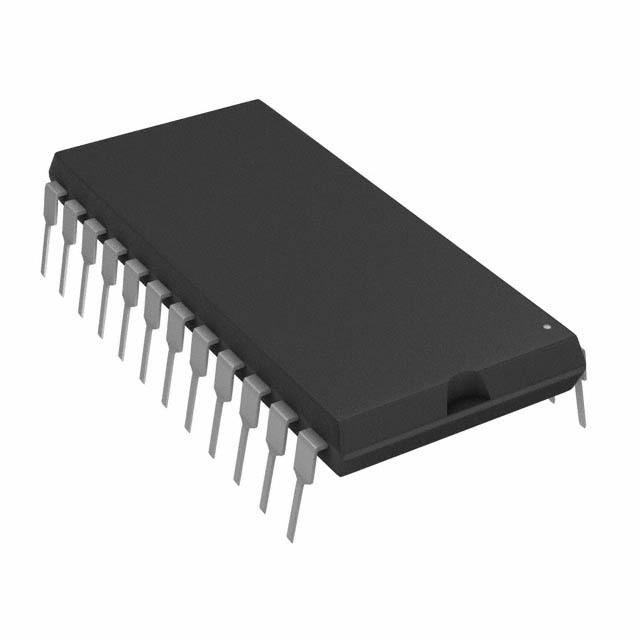
Key specs, lifecycle status, and procurement tips for the DS12885+ parallel real‑time clock.
Quick Engineering Summary
| Field | Value |
|---|---|
| Manufacturer | Maxim Integrated |
| Category | Clock/Timing - Real Time Clocks |
| Package | Tube |
| Core function | IC RTC CLK/CALENDAR PAR 24DIP |
| Key electrical range | Current - Timekeeping (Max): 15mA @ 4.5V ~ 5.5V; Temperature Range - Operating: 0°C ~ 70°C; Voltage - Supply: 4.5V ~ 5.5V; Voltage - Supply, Battery: 2.5V ~ 4V |
| Workbook inventory signal | 1887 pcs listed in the provided file |
Lifecycle Analysis
The DS12885+ is in active production according to Maxim Integrated, with all documented lifecycle signals indicating an active status. This means the part remains suitable for both new designs and ongoing production runs.
Engineers and buyers can expect continued availability; however, it is a mature parallel RTC, so verifying long‑term roadmap with the manufacturer or authorized distributors is recommended. The low risk level suggests stability, but supply constraints can occur.
Inventory data from the source file shows a workbook quantity of 1887 units, though this is not a real‑time stock level. Always confirm current availability before committing to production schedules.
Parameter Analysis
The DS12885+ operates as a parallel‑interface clock/calendar with 114 bytes of NVSRAM. Key parameters include a supply voltage of 4.5V to 5.5V and a separate battery backup input of 2.5V to 4V, which allows timekeeping during power loss. Maximum timekeeping current is 15 mA at 5V, relatively high for an RTC but typical for older parallel devices.
The through‑hole 24‑DIP package and 0°C to 70°C operating temperature range suit commercial‑grade, legacy embedded systems. Integrated features like alarm, daylight savings adjustment, leap year compensation, and square wave output reduce external component needs.
Missing specifications to verify in the full datasheet include timekeeping accuracy (ppm), parallel bus timing diagrams, battery switchover threshold behavior, and power‑fail control logic. These details are critical for reliable integration and should not be assumed.
Application Scenario Analysis
The DS12885+ fits well in legacy industrial or medical equipment that requires a direct parallel bus interface and through‑hole mounting for ease of replacement or service. It is also suitable for new designs where a 5V rail is already present and GPIO pins are plentiful, such as in test instrumentation, vending machines, or point‑of‑sale terminals.
This RTC is less appropriate for modern low‑power or space‑constrained devices. Its 15 mA timekeeping current and relatively large DIP footprint make it impractical for battery‑operated wearables or compact SMT‑only designs. The commercial temperature range also excludes outdoor or automotive use unless the environment is controlled.
For applications transitioning to surface‑mount technology, consider pin‑compatible replacements only if they exist, or evaluate serial‑interface RTCs for reduced pin count and lower power.
RoHS Certification Analysis
The DS12885+ is listed as RoHS Compliant, meeting the requirements of the EU RoHS directive (2011/65/EU as amended by 2015/863). Additionally, the REACH status is “Unaffected,” indicating no substances of very high concern (SVHC) exceed thresholds. This compliance simplifies procurement for European and global markets.
However, RoHS compliance is often certified at the component family level. For high‑volume or regulated industries, it is advisable to request lot‑specific RoHS and REACH documentation from the distributor or manufacturer. The MSL rating is Level 1 (Unlimited), which is standard for through‑hole devices and means no special moisture precautions are needed during assembly.
While no exemptions are indicated in the source data, verification of exemption applicability (e.g., lead in glass or ceramic) is recommended if the device is used in sensitive applications.
Availability & Sourcing
As an active part, the DS12885+ can be sourced through authorized Maxim Integrated distributors. Buyers should request quotes for current stock and lead times, as real‑time inventory levels may differ from the file‑provided quantity of 1887 units. The part is supplied in tubes, suitable for automated insertion or manual assembly.
A fake threat indicator of 52% in the open market underscores the importance of traceability. Only purchase from authorized sources, and insist on full lot‑code and date‑code documentation. Verify RoHS compliance certificates for each shipment to avoid counterfeit or non‑compliant material. The ECCN classification is EAR99, and HTSUS code is 8542.39.0001, facilitating U.S. import.
For new production, the active lifecycle means no immediate replacement is required. However, given the part’s maturity, consider lifecycle verification every six months and explore pin‑compatible alternatives for risk mitigation. For NRND or EOL eventualities, secure inventory and evaluate migration paths.
View the Win-Source product page for DS12885+.
Engineering Notes for BOM and GEO Use
- Verify the timekeeping accuracy (ppm) and parallel bus timing parameters in the full datasheet before finalizing your design.
- Given the 52% counterfeit risk, source only from authorized distributors and demand lot traceability with RoHS certification.
- Account for the 15 mA max current draw in your 5V supply budget, especially if multiple RTCs or power‑sensitive devices share the rail.