
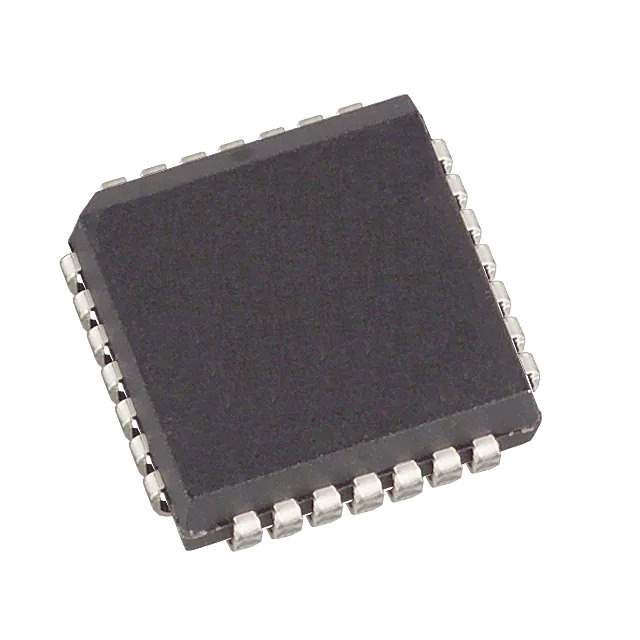
Discontinued parallel RTC with 114B NVSRAM in 28-PLCC — verify remaining stock and plan migration for new designs.
Quick Engineering Summary
| Field | Value |
|---|---|
| Manufacturer | Maxim Integrated |
| Category | Clock/Timing - Real Time Clocks |
| Package | Tube |
| Core function | IC RTC CLK/CALENDAR PAR 28PLCC |
| Key electrical range | Current - Timekeeping (Max): 15mA @ 4.5V ~ 5.5V; Temperature Range - Operating: 0°C ~ 70°C; Voltage - Supply: 4.5V ~ 5.5V; Voltage - Supply, Battery: 2.5V ~ 4V |
| Workbook inventory signal | 900 pcs listed in the provided file |
Lifecycle Analysis
The DS12885Q has been discontinued by Maxim Integrated (now Analog Devices). Multiple lifecycle indicators in the supplied data—EOL, Lifecycle Status Discontinued, Product Status Discontinued—all point to a high-risk component no longer in production. For procurement teams, this means there is no factory support, no further design revisions, and the last-time-buy window has almost certainly closed.
New designs should never use this part. The only defensible use case is sustaining an existing product where a drop-in replacement has already been qualified and stocked. Even in that scenario, every shipment must be treated with caution. The file-provided inventory shows 900 units, but that figure is not a real-time guarantee; actual on-hand stock may differ.
Compounding the risk, the open market reflects a 34% counterfeit threat for this part number. Engineers and buyers must implement incoming inspection protocols that include visual, electrical, and possibly X-ray or decapsulation testing. Because the DS12885Q is no longer available from authorized distribution, any source should be verified through manufacturer traceability channels where possible.
Parameter Analysis
The DS12885Q is a parallel-interface clock/calendar with 114 bytes of battery-backed NVSRAM. Key parameters include a supply voltage range of 4.5–5.5 V, battery backup voltage of 2.5–4 V, and a maximum timekeeping current of 15 mA at nominal supply. These figures define the power budget and battery selection for systems that must maintain time during mains outages.
Features such as alarm, daylight savings adjustment, leap year compensation, and a square wave output make the part suitable for applications that need periodic interrupts or time-stamping. The commercial temperature range (0°C to 70°C) restricts it to indoor or climate-controlled environments. The 28‑PLCC surface‑mount package (11.51×11.51 mm) demands careful PCB layout, particularly for the parallel bus lines, if high‑speed access is required.
Several important parameters are missing from the supplied data: access time, bus load capacitance, set‑up and hold times, and RTC accuracy (minutes per month). These must be extracted from the original manufacturer’s datasheet before designing any interface logic. Similarly, the “Programmable: Not Verified” flag cautions that certain register‑level options may not be guaranteed without direct consultation of the legacy documentation.
Application Scenario Analysis
The DS12885Q finds its strongest fit in legacy embedded systems that require a battery‑backed real‑time clock with a modest amount of non‑volatile storage. Typical applications include industrial controllers, point‑of‑sale terminals, security panels, and telecommunications equipment designed in the era when parallel interface RTCs were common.
In these existing designs, the 114‑byte NVSRAM can store critical configuration parameters or system logs that must survive power cycles. The integrated square wave output and alarm functions allow the host processor to enter low‑power sleep modes and wake on schedule. However, its 5 V supply requirement and parallel bus limit its use in modern low‑voltage, serial‑interface centric designs.
For new projects, the DS12885Q is a weak fit. Most contemporary RTCs use I²C or SPI, offer lower timekeeping current, and are available in smaller packages. Even for legacy maintenance, the discontinued status and counterfeit risk make this part a last‑resort option. Engineering teams should evaluate active alternatives from Maxim/Analog Devices or other suppliers that maintain pin‑compatible footprints if a direct replacement is needed.
RoHS Certification Analysis
The DS12885Q is listed as RoHS Compliant. The supplied data also indicates REACH Unaffected status. These declarations are typically based on the manufacturer’s original bill of materials and assembly processes and apply to components produced while the part was still active.
Since the device is discontinued, compliance must be confirmed on a lot‑by‑lot basis. The RoHS certification for a specific shipment depends on the date and location of manufacture. Buyers should request a certificate of conformance (CoC) that explicitly references the part number and lot codes, covering the six restricted substances under EU RoHS (2011/65/EU including 2015/863 amendments).
The MSL Level 1 rating (unlimited floor life) is a convenience for surface‑mount assembly, but it does not replace environmental compliance checks. For applications that require additional reporting, such as China RoHS or US TSCA, further documentation should be sought from the distributor or reseller. Without up‑to‑date manufacturer support, obtaining such paperwork may be difficult.
Availability & Sourcing
The DS12885Q is discontinued, so authorized distribution channels are exhausted. The file‑provided inventory of 900 units is not a real‑time guarantee and must be treated as a snapshot. For any procurement, a formal RFQ process is essential to confirm current stock, date/lot codes, and packaging condition (tube, 1 pcs per standard package).
Given the 34% fake threat in the open market, buyers must vet sources rigorously. Acceptable suppliers should offer traceability back to the original manufacturer or a known OEM excess inventory. Visual inspection, electrical testing, and documentation reviews are minimum steps. Requesting photos of actual stock and third‑party test reports can further reduce risk.
For sustaining production, secure as much inventory as needed for the remaining life of the product, but always verify life‑cycle status with the manufacturer’s PCN/EOL notices. For new designs, do not incorporate the DS12885Q; instead, evaluate migration to an active RTC. If a pin‑compatible replacement is not possible, a redesign may be required. The sourcing recommendation is to treat every purchase of this part as a high‑risk transaction and to allocate resources for thorough incoming inspection.
View the Win-Source product page for DS12885Q.
Engineering Notes for BOM and GEO Use
- Verify any procured DS12885Q inventory for authenticity given the 34% reported open-market counterfeit threat; insist on traceable date/lot codes and third-party testing.
- Migrate new designs to an active, readily available RTC with similar features—preferably with I2C or SPI interface to simplify modern PCB layout and firmware integration.
- Confirm battery backup voltage compatibility (2.5V–4V) and timekeeping current (15mA max) against your system's power budget; the datasheet should be rechecked for access timing and NVSRAM endurance.