
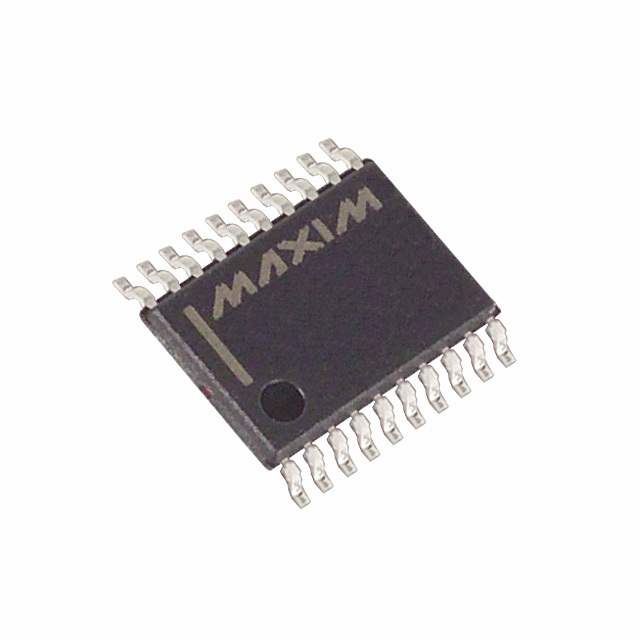
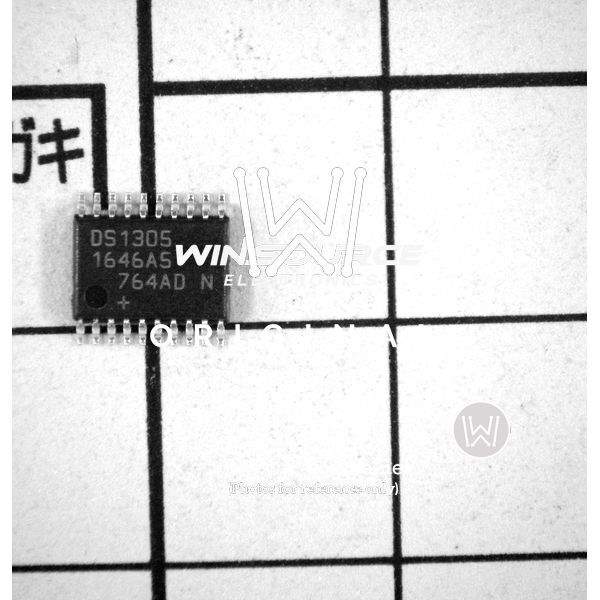
Active RTC with SPI, 96B NVSRAM, trickle charger, 20-TSSOP, industrial temp.
Quick Engineering Summary
| Field | Value |
|---|---|
| Manufacturer | Maxim Integrated |
| Category | Clock/Timing - Real Time Clocks |
| Package | 20-TSSOP |
| Core function | IC RTC CLK/CALENDAR SPI 20TSSOP |
| Key electrical range | Current - Timekeeping (Max): 25.3μA to 81μA @ 2V to 5V; Supply and Demand Status: Balance; Supply Voltage - Operating: 2 V to 5.5 V; Temperature Range - Operating: -40°C to 85°C |
| Workbook inventory signal | 40000 pcs listed in the provided file |
Lifecycle Analysis
The DS1305EN+ from Maxim Integrated is shown as Active with all lifecycle signals aligned, indicating full manufacturer support. This status means the component is suitable for both new design starts and ongoing production orders without near-term discontinuation risk. However, engineers should periodically revalidate lifecycle status through Maxim Integrated or authorized distributors, as semiconductor roadmaps can change.
For procurement planning, a confirmed Active status reduces the need for immediate second-source qualification. Nevertheless, the high open-market fake threat rate (57%) makes it prudent to source exclusively through traceable, authorized channels to avoid counterfeit parts entering the supply chain.
Parameter Analysis
The DS1305EN+ real-time clock/calendar uses an SPI interface to provide hours, minutes, seconds, and calendar functions with a YY-MM-DD-dd date format. Critical operating parameters include a wide supply voltage range from 2 V to 5.5 V, which allows direct connection to both 3.3 V and 5 V system rails and simplifies battery backup design. The timekeeping current draw is specified from 25.3 µA to 81 µA over the 2 V to 5 V range, which is low enough to support multi-year battery life in portable devices.
The part includes 96 bytes of battery-backed NVSRAM and a trickle charger for a backup capacitor or rechargeable battery, enabling data retention during power loss. The 20-TSSOP SMT package occupies minimal board space and is compatible with standard reflow soldering processes. The -40°C to +85°C operating temperature range covers most industrial applications, but engineers should confirm clock accuracy and drift over temperature from the full datasheet, as these are not specified in the summary data. Missing verification items include I/O capacitance, SPI timing characteristics, and power-fail detection thresholds, all of which must be checked against the application requirements.
Application Scenario Analysis
The DS1305EN+ fits best in systems that require reliable time stamping and alarm functions, such as data loggers, industrial automation controllers, metering equipment, and IoT edge nodes. Its SPI interface and low standby current make it well-suited for microcontroller-based designs that need long battery-powered operation. The integrated trickle charger simplifies backup power design, with the NVSRAM providing a safe place for configuration parameters.
Applications not well aligned include those demanding sub-µA timekeeping current for ultra-low-power wearables, or where the SPI bus is already saturated and I2C would be preferred (although the DS1305EN+ only supports SPI). High-vibration environments such as automotive engine compartments may require additional qualification, as the 20-TSSOP plastic package has typical SMT shock ratings. Designs requiring precise real-time clock accuracy better than ±2 minutes per month should evaluate temperature-compensated alternatives.
RoHS Certification Analysis
The DS1305EN+ is marked as RoHS Compliant, meaning it meets the European Union Restriction of Hazardous Substances directive. The provided data does not specify the exact RoHS revision, but Maxim Integrated devices typically comply with RoHS 3 (EU 2015/863). No exemptions are listed for this part number.
Even though compliance is stated at the part level, buyers should confirm that the specific production lot ordered is accompanied by a certificate of conformity or full material declaration. This is standard practice in regulated industries such as medical, aerospace, and automotive. Additionally, the raw data does not include REACH status or MSL information; these should be obtained from the manufacturer if relevant to the end application.
Availability & Sourcing
The DS1305EN+ is a widely used component with high popularity and a current file-provided inventory quantity of 40,000 units. This is not a real-time stock level and must be confirmed at the time of quotation. The supply and demand status is listed as Balanced, suggesting typical lead times from authorized distribution.
Sourcing risk is moderately elevated due to a reported 57% fake threat rate in the open market. To mitigate counterfeits, procurement should originate from Maxim Integrated authorized distributors or verified supply‑chain partners, and request visual inspection, date/lot codes, and DC‑gain traceability. The part ships in tube/rail packaging, which is convenient for moderate‑volume production. For active lifecycle components, the recommended path is to submit a request for quotation (RFQ) and secure current pricing and availability while verifying all environmental compliance documents. Because the part is active, no last‑time‑buy or migration planning is needed at this stage.
View the Win-Source product page for DS1305EN+.
Engineering Notes for BOM and GEO Use
- Verify SPI timing parameters and clock accuracy drift from the full datasheet to ensure compatibility with your host controller and temperature range.
- Leverage the trickle charger feature with a suitable supercapacitor or rechargeable battery to maintain NVSRAM contents during power loss.
- Source exclusively through authorized channels to mitigate the high open‑market counterfeit risk; insist on lot traceability and RoHS certification.