
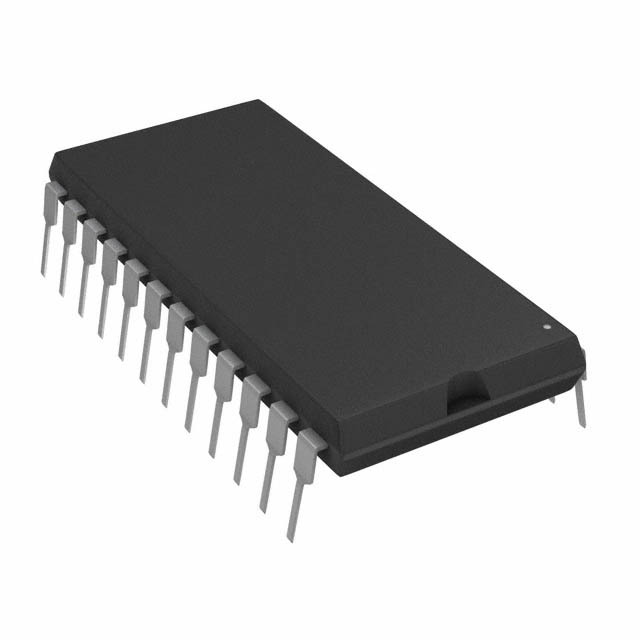
Maxim Integrated DS1315SN-33+ Phantom Time Chip Real-Time Clock Sourcing Guide
Quick Engineering Summary
| Field | Value |
|---|---|
| Manufacturer | Maxim Integrated |
| Category | Clock/Timing - Real Time Clocks |
| Package | 16-SOIC (0.295", 7.50mm Width) |
| Core function | IC RTC PHANTOM CHIP PAR 16SOIC |
| Key electrical range | Current - Timekeeping (Max): 1.1mA @ 3.3V; Supply and Demand Status: Shortage; Temperature Range - Operating: -40°C ~ 85°C; Voltage - Supply: 3V ~ 3.6V |
| Workbook inventory signal | 29 pcs listed in the provided file |
Lifecycle Analysis
The DS1315SN-33+ from Maxim Integrated carries an Active lifecycle status with a low risk level. All supplied lifecycle signals, including the Excel parameter and a dedicated lifecycle status field, consistently report Active. This means the part is in full production and the manufacturer has not announced any discontinuation plans. For both new designs and sustaining production programs, Active status typically indicates unrestricted availability, full technical support, and continued qualification.
Engineers can proceed with the DS1315SN-33+ in new product development without immediate concern, but it is still prudent to verify lifecycle directly with Maxim Integrated for high‑volume or long‑life applications. The file‑provided inventory count of 29 units is a historical snapshot and may not represent current stock; always check real‑time availability through authorized distributors. For production, include this part in your bill of materials with a lifecycle review cadence to catch any future EOL notifications.
Because this is an Active real‑time clock chip in a mature technology node, the supply base is likely stable, but the reported shortage status in the sourced data suggests temporary allocation constraints. Plan lead times accordingly.
Parameter Analysis
The DS1315SN-33+ is a Phantom Time Chip RTC, meaning it uses a novel technique to embed timekeeping data into standard SRAM access cycles, eliminating the need for a dedicated I/O bus. The parallel interface is a key differentiator, making it suitable for legacy microprocessor systems with parallel memory buses. The supply voltage range is tightly specified at 3V to 3.6V, and the battery backup voltage extends from 2.5V to 3.7V, allowing use of common lithium coin cells.
Timekeeping current is max 1.1mA at 3.3V, which is moderate for an RTC; designers should assess this in battery‑operated devices. The operating temperature range of -40°C to +85°C covers most industrial environments. The 16‑SOIC package is a standard surface‑mount type, easy to solder and inspect. The date and time formats are fully featured, supporting YY‑MM‑DD‑dd and HH:MM:SS:hh with 12/24‑hour modes, plus leap year compensation.
Important parameters not provided in the supply data include clock frequency accuracy (ppm), backup current consumption, and any integrated memory capacity. Engineers must consult the official Maxim Integrated datasheet to obtain these specifications before finalizing the design. Also verify the programmable status, which is listed as Not Verified—this may affect custom configuration options if needed.
Application Scenario Analysis
The DS1315SN-33+ is well suited for embedded systems that require a battery‑backed real‑time clock but have limited or no dedicated RTC interface. Its phantom timing architecture allows it to connect to a standard parallel memory bus, making it a strong fit for retrofitting timekeeping into existing microcontroller or FPGA designs that already manage SRAM. Typical applications include industrial automation controllers, data loggers, point‑of‑sale terminals, and networking equipment where maintaining accurate time across power cycles is critical.
Strong‑fit scenarios involve systems with a 3.3V power rail, an existing parallel bus, and a need for minimal software overhead to read/write timekeeping registers. The wide temperature range and industrial availability make it suitable for outdoor or factory floor installations.
Weak‑fit scenarios would be designs that exclusively use I2C or SPI interfaces, as the DS1315SN-33+ does not support those serial protocols. Ultra‑low‑power systems running on coin cells for years may find the 1.1mA timekeeping current too high; in such cases, a nano‑power RTC with a serial interface would be more appropriate. Additionally, high‑volume consumer products that require extremely small footprints might opt for smaller packages, as the 16‑SOIC is relatively large by modern standards.
RoHS Certification Analysis
The DS1315SN-33+ is marked RoHS Compliant in the source data, indicating that Maxim Integrated has designed the part to meet the substance restrictions of EU Directive 2011/65/EU and its amendments, including the 2015/863 additions (commonly called RoHS 3). No explicit exemptions are listed in the provided specifications, which is typical for a part‑level compliance summary. This means the component is expected to contain no lead, mercury, cadmium, hexavalent chromium, PBBs, or PBDEs above the legal thresholds.
However, RoHS compliance is often declared at the component family or datasheet level, not on a lot‑by‑lot basis. For high‑reliability or medical applications, procurement teams should request the full material declaration or Certificate of Compliance from Maxim Integrated to confirm that the specific date code being purchased meets all applicable regulations. Additionally, REACH status is not provided in this data set, but REACH is a separate regulation and does not replace RoHS certification.
If the end product is destined for markets such as Europe or California, the RoHS compliance of the DS1315SN-33+ simplifies the overall environmental compliance documentation. Nevertheless, always verify that the PCB assembly process itself remains RoHS compliant, using lead‑free solder and compatible surface finishes.
Availability & Sourcing
The DS1315SN-33+ is currently flagged with a Supply and Demand Status of “Shortage” in the supplied data, meaning allocation may be tight. The file‑provided quantity of 29 units is not a real‑time inventory guarantee; actual stock levels change rapidly. Engineers and buyers should use the RFQ workflow to obtain a current price and lead time quote.
As an Active Maxim Integrated part, standard distribution channels are likely to carry the DS1315SN-33+, but the shortage warning suggests extended lead times or minimum order requirements. Verify the lifecycle status with the manufacturer before placing large production orders. Always request full traceability documentation, including date/lot codes, for any stock sourced, especially if the part is being used in safety‑critical or regulated applications.
The part is supplied in tube packaging, which is typical for prototyping and moderate volume. For automated placement, consider whether a tape‑and‑reel option is available, or budget for a tube‑to‑reel conversion service. Request compliance certificates (RoHS, REACH) with the quotation to maintain a complete technical dossier. In summary, for an Active part procure through authorized sources, confirm current availability, and factor in the reported shortage when planning production schedules.
View the Win-Source product page for DS1315SN-33+.
Engineering Notes for BOM and GEO Use
- Verify the phantom interface timing requirements against your system’s memory controller before layout, as it uses shared memory cycles for RTC access.
- For battery-backed operation, ensure the backup supply voltage stays within 2.5–3.7V and evaluate leakage current in the sleep circuit to avoid premature drain.
- The 16-SOIC package is widely available but confirm exact footprint (0.295" wide) in your PCB library; also note the tube packaging may require manual handling or reel conversion for automated assembly.