
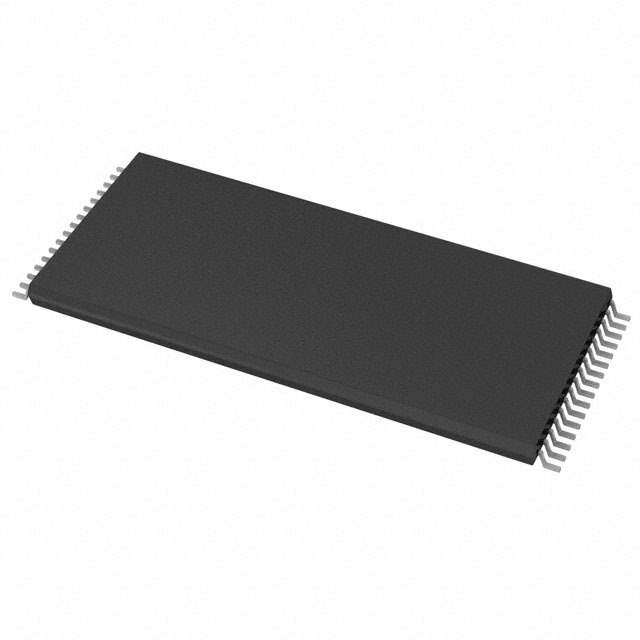
EOL Parallel-Interface RTC with NVSRAM from Maxim Integrated
Quick Engineering Summary
| Field | Value |
|---|---|
| Manufacturer | Maxim Integrated |
| Category | Clock/Timing - Real Time Clocks |
| Package | 32-TSOP |
| Core function | IC RTC CLK/CALENDAR PAR 32TSOP |
| Key electrical range | Current - Timekeeping (Max): 5mA @ 4.5V to 5.5V; Supply and Demand Status: Balance; Supply Voltage - Operating: 4.5 V to 5.5 V; Temperature Range - Operating: 0°C to 70°C |
| Workbook inventory signal | 2500 pcs listed in the provided file |
Lifecycle Analysis
The DS1500YE+ from Maxim Integrated is classified as End-of-Life (EOL). This status indicates the part is no longer recommended for new designs and is being phased out of active production. For new design projects, engineers should consider alternative RTC solutions, as long-term availability is not guaranteed. For existing designs in sustaining production, procurement must secure sufficient inventory and plan for a lifetime buy to cover forecasted demand. The current lifecycle risk is high due to cessation of manufacturing support. Revalidation with the manufacturer is advised to confirm last-time buy dates and any remaining stock. A workbook quantity of 2500 units has been noted, but this is a file-provided figure and does not reflect real-time stock; actual availability may differ. Designers relying on this part should immediately evaluate migration paths to newer, active RTC components.
Parameter Analysis
Key parameters for the DS1500YE+ center on its RTC and NVSRAM integration. The device operates from a main supply voltage of 4.5 V to 5.5 V, with a separate battery backup input of 2.5 V to 3.7 V to maintain timekeeping during power loss. Maximum timekeeping current is 5 mA at the nominal supply, which is relatively high for modern low-power RTCs, making it less suitable for battery-sensitive applications. The parallel interface, confirmed by the product description, demands multiple I/O lines and may complicate PCB layout compared to serial alternatives. Memory size is 256 bytes of NVSRAM, useful for storing critical system data non-volatilely. The date format is YY‑MM‑DD‑dd, and features include alarm, leap year compensation, square wave output, watchdog timer, and Y2K compliance. The commercial temperature range of 0°C to 70°C limits use to indoor, non-industrial environments. Key specifications missing from the supplied data include timekeeping accuracy, battery switchover threshold, and interface timing details. These must be verified from the official datasheet before qualifying this EOL part for any remaining production.
Application Scenario Analysis
The DS1500YE+ suits legacy embedded systems that require a full-featured RTC with integrated NVSRAM and parallel interface. Its strong‑fit applications include industrial controllers, legacy microprocessors with parallel address/data buses, and equipment needing reliable battery‑backed clock/calendar functions. The watchdog timer and square wave output add utility for system health monitoring and time‑base generation. However, the device is a weak fit for new designs due to its EOL status and relatively high power consumption. Modern low‑power and space‑constrained designs would likely use serial‑interface RTCs with nanoampere timekeeping currents. The 5 V operation also limits compatibility with 3.3 V or lower voltage systems. Additionally, the 0°C to 70°C temperature range excludes outdoor or extended industrial applications. For sustaining existing products, the DS1500YE+ remains a viable direct replacement, but thorough qualification should include verifying that the part meets all functional and environmental requirements in the target system.
RoHS Certification Analysis
The DS1500YE+ is listed as RoHS Compliant according to the supplied data. This indicates conformance to the Restriction of Hazardous Substances directive, typically RoHS 3 (EU 2015/863) for parts sold after 2019, though the exact revision is not specified. No REACH, halogen‑free, or MSL information is provided; customers should request the full material declaration and certification documents if these are required for their assembly process. RoHS compliance is generally assessed at the component family level, but lot‑level variations can occur, especially for EOL parts where manufacturing dates may span regulatory transition periods. It is prudent to verify the RoHS certificate with the distributor or manufacturer before purchasing, particularly if the parts will be used in jurisdictions with strict hazardous substance regulations. No exemptions are mentioned, but any applicable exemptions would be documented in the manufacturer’s compliance statement. For EOL components, procurement teams should confirm that the RoHS status has not changed after the last production batch.
Availability & Sourcing
As an EOL component, sourcing the DS1500YE+ requires careful planning and verification. The file‑provided inventory quantity of 2500 units offers a starting point, but it is not a real‑time guarantee; customers must request a quote to confirm current stock levels, pricing, and lead time. The device is supplied in tray packaging from dry storage with humidity protection, which helps preserve solderability for surface‑mount assembly. Buyers should request detailed traceability information, including date and lot codes, to ensure parts have been stored under proper conditions and are not counterfeit. Given the high open‑market fake threat rate of 41% reported for this part, authenticity verification is critical. Procurement teams should also check for manufacturer’s last‑time buy notices and any remaining stock at authorized distributors. For new production needs, this part is not recommended; instead, evaluate migration to an active RTC alternative. For sustaining orders, secure adequate inventory and implement acceptance testing to validate functionality and compliance before use.
View the Win-Source product page for DS1500YE+.
Engineering Notes for BOM and GEO Use
- Verify last-time buy and lifecycle status directly with Maxim Integrated before committing to production.
- The parallel interface and 5 V supply require careful PCB design and may not suit modern low-voltage systems.
- Request a full compliance certificate (RoHS, REACH) and conduct authenticity checks due to high counterfeit risk.