
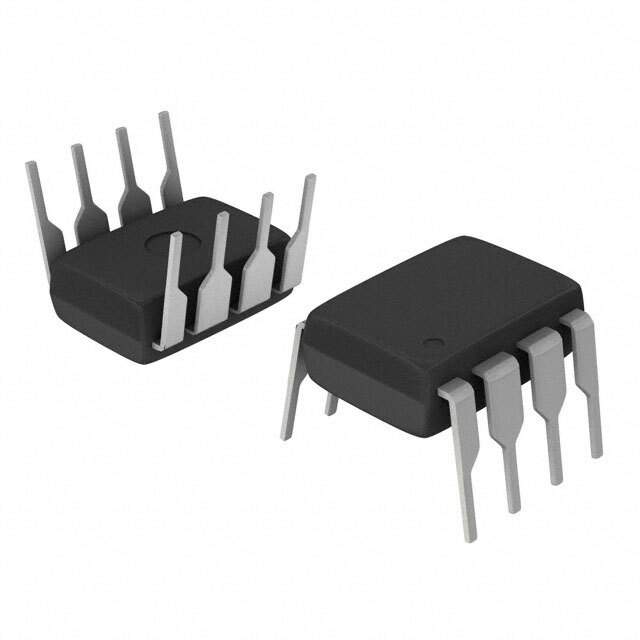
EOL I²C RTC Binary Counter – 8-DIP Through-Hole, -40°C to 85°C, 1.8V–2.2V
Quick Engineering Summary
| Field | Value |
|---|---|
| Manufacturer | Maxim Integrated |
| Category | Clock/Timing - Real Time Clocks |
| Package | 8-PDIP |
| Core function | IC RTC BINARY COUNTER I2C 8DIP |
| Key electrical range | Operating Temperature Range: -40°C ~ 85°C; Supply and Demand Status: Balance |
| Workbook inventory signal | 1 pcs listed in the provided file |
Lifecycle Analysis
The DS1672-2 from Maxim Integrated is confirmed End-of-Life (EOL) with no further production. All supplied lifecycle signals align, and the part status is listed as Obsolete. This high-risk status means the device should not be used in new designs. Engineers maintaining existing systems must verify the manufacturer’s EOL notice, including last-time-buy and last-time-ship dates, to plan a controlled transition. Without a formal migration path, the only procurement option is to source remaining stock from authorized channels or approved aftermarket suppliers.
File data indicates a limited quantity of 1 unit, but this is not a real-time inventory guarantee and will likely deplete quickly. Any stock sourced should be authenticated through visual inspection and electrical testing given the 69% fake threat probability in the open market. In short, the DS1672-2 is a legacy component suitable only for sustaining production until a qualified replacement is integrated.
Parameter Analysis
Key parameters for the DS1672-2 include its I²C/2-wire serial interface, binary counter architecture, and through-hole 8-DIP packaging. The main supply voltage range is 1.8V to 2.2V, while the battery backup voltage can range from 1.3V to 3.63V, enabling use with coin-cell or supercapacitor backups. Timekeeping current consumption is specified at a maximum of 500µA at 2.2V, which is critical for low-power designs. The operating temperature range of -40°C to +85°C covers industrial environments. The binary counter format means it provides a simple elapsed-time count rather than calendar date/time, making it suited for systems that only need relative time measurement.
Because of the EOL status, several parameters may be absent from readily available datasheets; engineers should confirm accuracy drift, backup current in sleep mode, I²C timing specifications, and ESD ratings directly from original Maxim documentation. The MSL level is 1 (unlimited) so no special baking is required, but the through-hole package demands careful board layout. When evaluating a replacement, ensure that the alternative matches these voltage, interface, and functional parameters to avoid a system redesign.
Application Scenario Analysis
The DS1672-2 is a binary counter real-time clock, making it suitable for embedded systems that require simple timekeeping functions, such as event logging, uptime tracking, or periodic interrupt generation. Its I²C interface allows easy integration with microcontrollers. The industrial temperature range and low operating voltage align with battery-powered and industrial equipment. However, because the device does not provide calendar functions, it is less appropriate for applications requiring human-readable date/time or daylight saving adjustments.
Strongest fit is in legacy designs—such as older industrial controllers, telemetry units, or medical devices—where the DS1672-2 was originally specified and a redesign is cost-prohibitive. For new product development, however, the EOL status makes it a weak fit: designers should select an active RTC with similar binary counter capabilities or a calendar-based RTC if needed. Any new application should avoid the DS1672-2 altogether, given the supply risk and lack of manufacturer support. For sustaining projects, validate that existing firmware and hardware can accommodate a form/fit/function alternative if the stock runs out.
RoHS Certification Analysis
The DS1672-2 is marked RoHS Compliant, indicating it meets EU directives on hazardous substance restrictions. The provided data does not specify the exact directive version, but generally this implies compliance with RoHS 3 (EU 2015/863) for current components. MSL Level 1 (Unlimited) means no moisture sensitivity concerns, simplifying handling and storage. The part is also REACH Unaffected per the supplier, but REACH compliance does not substitute for RoHS; it addresses different chemical regulations.
Because the part is EOL, purchasers must request lot-specific certificates of compliance to confirm that the stock being offered is indeed RoHS compliant and not pre-transition inventory. Exemptions, if any, were not detailed in the source data and should be verified from manufacturer documentation. For lead-free soldering processes, the through-hole package and RoHS status generally ensure compatibility, but verify the terminal finish (often matte tin) with the supplier. In all cases, ensure full environmental compliance documentation is part of the purchase order to avoid non-compliant materials entering the supply chain.
Availability & Sourcing
Sourcing the DS1672-2 presents a high challenge due to its EOL classification. The supplied file indicates an extremely low workbook quantity of 1 unit, but this is not live inventory and may not reflect actual availability. Buyers must request a quote to obtain current stock levels, pricing, and lead time from authorized distributors or approved aftermarket sources. The high 69% open-market fake threat underscores the need for traceability: insist on full date/lot codes, manufacturer certificates of conformance, and RoHS compliance documents.
For legacy production, consider a lifetime or last-time buy if manufacturer inventory remains, but be aware that such windows are typically closed for Obsolete parts. Alternative sources include authorized aftermarket suppliers who may hold residual stock, but increased scrutiny and incoming inspection are mandatory. Packaging is tube (50 units per tube), but small quantities may be cut tape or repackaged. Verify the integrity of storage conditions (MSL Level 1 reduces concern) and the authenticity of parts through physical inspection and possibly X-ray or decapsulation. In conclusion, secure any available stock immediately, plan a migration to an active alternative, and always verify lifecycle status with Maxim Integrated before committing to new production use.
View the Win-Source product page for DS1672-2.
Engineering Notes for BOM and GEO Use
- Verify manufacturer EOL notice and last-time-buy date before committing to production.
- For new designs, migrate to an active RTC with compatible I²C binary counter functionality.
- Secure documentation including RoHS compliance certificates and traceable date/lot codes to mitigate counterfeit risk.