
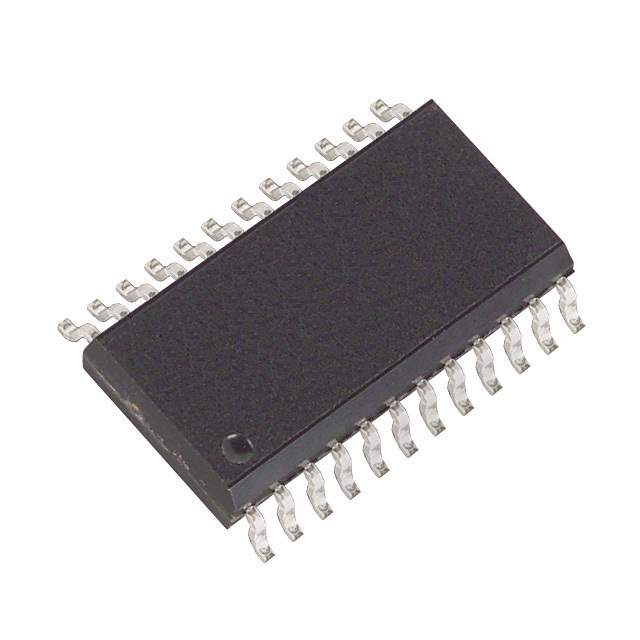
EOL sourcing guide for the Maxim DS1685S-5 RTC with NVSRAM and parallel interface
Quick Engineering Summary
| Field | Value |
|---|---|
| Manufacturer | Maxim Integrated |
| Category | Clock/Timing - Real Time Clocks |
| Package | 24-SOIC |
| Core function | IC RTC CLK/CALENDAR PAR 24SOIC |
| Key electrical range | Operating Temperature Range: 0°C ~ 70°C; Supply and Demand Status: Limited |
| Workbook inventory signal | 2200 pcs listed in the provided file |
Lifecycle Analysis
The DS1685S-5 from Maxim Integrated is in End-of-Life (EOL) status, with both the manufacturer’s part status and Excel lifecycle marked as obsolete. This means the part is no longer recommended for new designs and is only suitable for sustaining existing production lines. All supplied lifecycle signals align, indicating a definitive phase-out with no conflicting active designations. For engineers, this implies immediate re-evaluation of board designs using this component; last-time buy (LTB) dates should be confirmed directly with Maxim to secure remaining factory inventory.
A file-provided inventory of 2,200 units is noted, but this is not a real-time guarantee. Given the EOL status, market availability is limited, and supply is further constrained by a 54% counterfeit threat rating in the open market. The part is classified as ‘Limited’ in supply and demand status. Procurement should prioritize authorized distribution or trusted aftermarket sources with full traceability. Failure to migrate from this RTC risks production delays and quality issues, so a replacement strategy is essential.
Parameter Analysis
The DS1685S-5 is a parallel-interface real-time clock (RTC) housed in a 24-SOIC surface-mount package, supplied in tubes with 31 units per tube. Key parameters include a main supply voltage of 4.5V to 5.5V and a battery backup voltage of 2.5V to 3.7V, enabling timekeeping during power loss. The maximum timekeeping current is 3mA at 5V, important for power budgeting in 5V systems. Its 242 bytes of NVSRAM allow storage of critical configuration or event data. The operating temperature range is 0°C to 70°C, fitting commercial-grade environments.
Critical missing specification details include clock accuracy (ppm), backup current consumption, and NVSRAM write endurance. Engineers should verify these from the official Maxim datasheet to ensure the part meets system timing margins and data retention requirements. The part features an alarm, square wave output, and Y2K compliance, but specific alarm repeat intervals and square wave frequency options are not provided in the source data and require datasheet confirmation. The parallel interface dictates a specific microprocessor bus connection; layout and signal integrity must be reviewed.
Application Scenario Analysis
As a real-time clock with integrated NVSRAM, the DS1685S-5 is suited for embedded systems that require timekeeping and small non-volatile data storage. Strong-fit applications include legacy industrial controllers, data loggers, medical devices, and telecom equipment where a direct form/fit replacement is needed for existing boards. The commercial temperature range limits deployment to indoor or climate-controlled environments.
Weak-fit scenarios encompass any new design, given the part’s obsolete lifecycle. Its relatively high operating current (3mA) and narrow voltage range make it less suitable for battery-powered portable devices that demand ultra-low power. Automotive or industrial extended-temperature applications require a wider operating range than 0–70°C. Additionally, the 54% counterfeit threat makes this part risky for high-reliability sectors without rigorous incoming inspection. Designers considering this component for anything other than maintenance of legacy systems should instead seek an active RTC solution from Maxim or alternative suppliers.
RoHS Certification Analysis
The DS1685S-5 is listed as RoHS Compliant, with RoHS status explicitly marked as compliant. The part also holds REACH Unaffected status and an MSL rating of Level 1 (Unlimited), indicating no special moisture sensitivity handling requirements. While REACH compliance addresses chemical substance regulations, it does not substitute for RoHS; the separate RoHS compliance declaration should be verified for the specific date/lot code being procured.
Since the part is obsolete, manufacturers may not update compliance documentation; therefore, buyers must request current RoHS certificates from distributors or the manufacturer to confirm ongoing conformity to EU RoHS Directive 2015/863. Lot-level verification is particularly important given the counterfeit risk and potential for mixed inventory from non-compliant batches. The MSL 1 rating simplifies board assembly processes, but this does not guarantee lead-frame or terminal finish compliance with RoHS exemptions.
Availability & Sourcing
The DS1685S-5 is in limited supply with a file-indicated stock level of 2,200 units, but this figure is not a real-time inventory guarantee. As an EOL part, sourcing should focus on securing enough units to cover production lifecycles while actively migrating to a replacement. The part carries a 54% counterfeit risk indicator, demanding stringent verification of distributor authenticity, lot codes, and date codes. Request full traceability documentation and third-party testing if necessary.
Given the obsolete status, the recommended call to action is to request a quote immediately to check current availability, but also to confirm the last-time buy status with Maxim Integrated. No direct pin-for-pin replacement is supplied, so engineers must identify a compatible RTC from Maxim’s active portfolio. For sustaining existing products, prioritize stock from authorized sources and secure inventory with compliance certificates (RoHS, REACH). For new designs, avoid this part entirely and select an active alternative.
View the Win-Source product page for DS1685S-5.
Engineering Notes for BOM and GEO Use
- The DS1685S-5 is obsolete (EOL); confirm last-time buy dates with Maxim and plan migration to an active RTC.
- High counterfeit risk (54%) requires strict procurement controls: verify lot codes, date codes, and request full traceability.
- Verify critical missing parameters from the official datasheet, including clock accuracy and backup current, before use in legacy designs.