
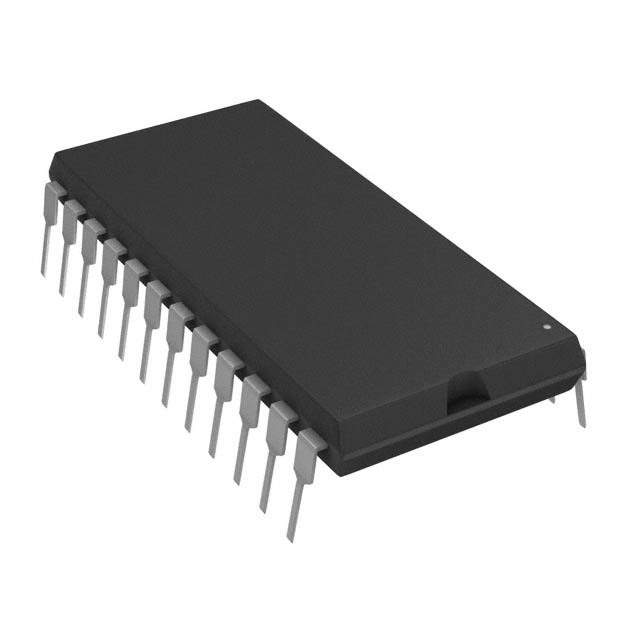
EOL part from Maxim Integrated; verify availability and compliance before sourcing.
Quick Engineering Summary
| Field | Value |
|---|---|
| Manufacturer | Maxim Integrated |
| Category | Clock/Timing - Real Time Clocks |
| Package | 24-PDIP |
| Core function | IC RTC CLK/CALENDAR PAR 24DIP |
| Key electrical range | Current - Timekeeping (Maximum): 3mA @ 4.5V ~ 5.5V; Operating Supply Voltage: 4.5 V ~ 5.5 V; Operating Temperature Range: 0°C ~ 70°C; Supply and Demand Status: Limited |
| Workbook inventory signal | 380 pcs listed in the provided file |
Lifecycle Analysis
The DS17285-5+ is officially designated as End-of-Life (EOL) by the manufacturer. This means the product is no longer in active production, and new design registrations are discouraged. For existing designs in sustaining production, immediate action is required to secure sufficient inventory for the remaining product lifecycle. The source data indicates a file-provided quantity of 380 units; however, this is not a real-time figure and must be confirmed through a formal request for quotation. Engineers and buyers should obtain the manufacturer’s EOL notification and last-time buy dates. Absent such confirmation, any claimed stock should be treated as unverified. The medium popularity and limited supply-demand balance further emphasize that available inventory may deplete quickly. Procurement teams should work closely with authorized distributors to assess remaining pipeline inventory and consider lifetime buy options. Using unauthorized sources increases the risk of counterfeit or recycled components, especially given the estimated 45% fake threat in the open market. For new designs, migration to a recommended replacement part or a different RTC family is strongly advised.
Parameter Analysis
The DS17285-5+ is a parallel-interface real-time clock/calendar IC with 2KB of integrated NVSRAM. Key electrical parameters include a main supply voltage of 4.5V to 5.5V and a battery backup voltage of 2.5V to 3.7V, allowing the timekeeping functions to persist during primary power loss. The maximum timekeeping current is 3mA at the nominal supply, which must be accounted for in power budgets and thermal margins, especially in systems where the RTC runs continuously. The commercial temperature range of 0°C to 70°C restricts its use to indoor or controlled environments. The through-hole 24-DIP package requires careful PCB layout for proper mechanical fit, and its parallel interface demands multiple I/O lines compared to serial alternatives. Additional features like an alarm, daylight savings adjustment, leap year compensation, and a square wave output enhance its utility in embedded timers and event loggers. Critical missing specifications that engineers should verify from the full datasheet include timekeeping accuracy (typically given in ppm), clock stability over temperature, and bus timing and capacitance limits. Without these, precise integration analysis is incomplete. Also, no Moisture Sensitivity Level (MSL) is provided, which is relevant for soldering process control.
Application Scenario Analysis
Given its 5V parallel interface and through-hole package, the DS17285-5+ is best suited for legacy industrial equipment, test instrumentation, and older embedded systems that still use 5V logic and require an easy-to-replace DIP component. Its 2KB of NVSRAM is valuable for storing critical system parameters or event logs, while the alarm and square wave output facilitate periodic wake‑ups or timestamps. Battery backup support ensures data retention and timekeeping during power outages. In contrast, modern high‑density or portable designs that demand small surface‑mount packages, low‑voltage operation (3.3V or lower), and serial communication (I2C or SPI) are weak‑fit scenarios. This part also does not include any high‑reliability or automotive‑grade certifications, so aerospace or under‑hood applications would require extensive additional qualification. For simple battery‑backed timekeeping in consumer gadgets, lower‑power alternatives with simpler interfacing are generally preferred. When retrofitting or maintaining existing equipment, the part remains functionally solid, but new designs should evaluate next‑generation RTCs with similar parallel‑interface features if drop‑in compatibility is needed.
RoHS Certification Analysis
According to the supplied compliance data, the DS17285-5+ is listed as RoHS Compliant. This typically implies conformance to the EU RoHS directive (2011/65/EU and its amendments), which restricts hazardous substances such as lead, mercury, and cadmium. However, the specific RoHS revision (e.g., RoHS 3 / EU 2015/863) is not explicitly stated. No exemptions are noted, which suggests the part meets full substance limits, but a final determination should be obtained from the manufacturer’s certificate of compliance. The source data does not include REACH or conflict‑minerals declarations, so RFQ responses should inquire about those if procurement policies require them. It is important to recognize that RoHS compliance can vary by production date and factory; requesting lot‑level compliance documents is recommended due to the EOL status and the possibility that remaining inventory may originate from pre‑RoHS or transitional batches. When sourcing from distributors, ensure the “RoHS Compliant” label is backed by current test reports.
Availability & Sourcing
As an EOL component, the DS17285-5+ requires a thorough procurement approach. The file indicates a quantity of 380 units, but this figure is not a live inventory guarantee and must be confirmed through a request for quotation. Packaging is typically tube for through‑hole DIP, and proper moisture‑sensitive handling during storage and shipping is essential, though no MSL rating is provided. Given the medium popularity and limited supply‑demand status, available stock may sell quickly. The reported 45% counterfeit risk underscores the importance of sourcing only through authorized channels. Buyers should request date and lot code traceability, as older date codes may have shortened solderability shelf life or outdated compliance certifications. The manufacturer’s EOL notice should be referenced to confirm that no further factory shipments are scheduled. For sustaining production, secure inventory now; for new designs, migration to a pin‑compatible alternative or a different device is necessary. Request a formal quote to assess real‑time pricing and lead times, but be prepared for premium pricing or minimum order quantities on the remaining stock.
View the Win-Source product page for DS17285-5+.
Engineering Notes for BOM and GEO Use
- Confirm lifecycle status with Maxim Integrated and plan last-time buys before supply exhausts.
- Validate 5V operating voltage and parallel interface compatibility in your design.
- Request batch-specific RoHS and traceability documents due to a noted 45% open-market counterfeit risk.