
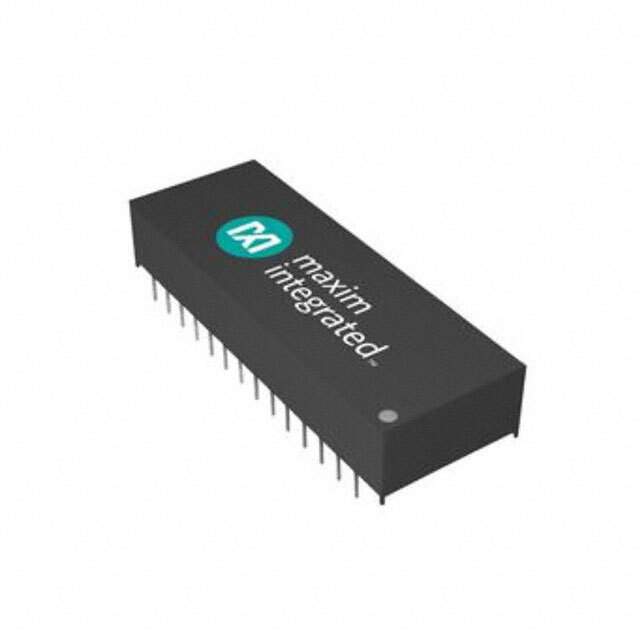
Maxim Integrated DS1744W-120IND+ RTC with 32KB NVSRAM, parallel interface. Nearing estimated EOL; verify with manufacturer.
Quick Engineering Summary
| Field | Value |
|---|---|
| Manufacturer | Maxim Integrated |
| Category | Clock/Timing - Real Time Clocks |
| Package | 28-EDIP |
| Core function | IC RTC CLK/CALENDAR PAR 28EDIP |
| Key electrical range | Current - Timekeeping (Maximum): 2mA @ 3.3V; Operating Supply Voltage: 2.97 V ~ 3.63 V; Operating Temperature Range: -40°C ~ 85°C; Supply and Demand Status: Limited |
| Workbook inventory signal | 5700 pcs listed in the provided file |
Lifecycle Analysis
The Maxim Integrated DS1744W-120IND+ is classified as Active in the supplied lifecycle data, yet a separate parameter field lists an Estimated EOL Date of 2024. This discrepancy demands immediate attention. An Active status normally indicates the part is in full production and suitable for new designs, but the EOL date suggests the manufacturer may have already issued an end‑of‑life notice or plans to discontinue the device soon. Because the part is a through‑hole RTC with parallel interface—a niche packaging choice—the risk of obsolescence is higher than a mainstream SMD part.
Engineers should contact Maxim Integrated or an authorized distributor for a definitive product change notification. Without official confirmation, treat this component as NRND (Not Recommended for New Design) in practice. For existing production, secure a last‑time buy if possible and qualify an alternative clock/calendar that fits the system architecture. The part’s medium popularity and limited supply‑and‑demand status further suggest that proactive lifecycle management is crucial.
Parameter Analysis
The DS1744W-120IND+ differentiates itself with a 32KB NVSRAM array, making it more than a simple timekeeper. This memory can store critical system data across power cycles, eliminating the need for a separate EEPROM. The operating voltage range of 2.97 V to 3.63 V aligns with typical 3.3 V rails, while the industrial temperature range of -40°C to 85°C suits demanding environments. Timekeeping current is specified at 2 mA maximum at 3.3 V, which is relatively high for modern RTCs and should be factored into power budgets.
The parallel interface sets this device apart from the more common I²C or SPI RTCs. It enables faster data transfers but consumes significantly more I/O pins, making it best suited for systems with abundant GPIOs or legacy microprocessor buses. The 28‑DIP through‑hole package facilitates prototyping but restricts PCB density. Key missing specifications that should be verified from the full datasheet include: timekeeping accuracy (ppm) and crystal requirements, battery‑backup behaviour and switchover voltage thresholds, and any write‑protect or lock mechanisms for the NVSRAM.
Application Scenario Analysis
The DS1744W-120IND+ fits strongly into legacy industrial control systems, test equipment, and metering applications that already use a parallel bus and require guaranteed data retention without external battery backup. Its 32KB NVSRAM makes it ideal for data loggers that need to preserve records during power loss, and the Y2K‑compliant date format avoids century‑rollover issues in older designs. Designers upgrading from a DS1743 or similar Maxim RTC will find the pinout familiar, reducing redesign risk.
Weak‑fit scenarios include battery‑powered IoT sensors or wearables, where the 2 mA timekeeping current would drain small batteries quickly. Portable or space‑constrained designs also struggle with the through‑hole 28‑DIP footprint. Applications requiring a smaller, surface‑mount RTC with an I²C interface should look elsewhere. In all cases, verify that the industrial temperature range and supply voltage margins align with your system’s worst‑case operating conditions.
RoHS Certification Analysis
The DS1744W-120IND+ is explicitly listed as RoHS Compliant, meaning it meets the substance restrictions of EU Directive 2011/65/EU, including the 2015/863 amendments that added four phthalates. This compliance is a broad product‑family claim; on a per‑lot basis, request a RoHS certificate of conformance from your distributor to ensure that the batch you receive was manufactured after the regulation took effect.
No additional REACH or MSL data was provided in the source information. REACH compliance is separate from RoHS and addresses substances of very high concern (SVHC). If your product falls under EU REACH requirements, obtain the manufacturer’s SVHC declaration. Operating the part in a humid environment may require MSL‑level packaging, so check the moisture sensitivity rating when ordering tubes, as through‑hole parts are often shipped in non‑dry packaging.
Availability & Sourcing
A file‑provided quantity of 5,700 units suggests that some stock is in the supply chain, but this figure is not a guaranteed real‑time inventory. The supply and demand status is flagged as Limited, and the estimated 38% fake threat in the open market makes sourcing from unauthorized channels risky. The part comes in tube packaging, so request date‑code and lot‑code traceability to avoid counterfeit or mishandled components.
Because of the 2024 EOL estimate, even though the lifecycle remains Active, buyers should move quickly to secure a lifetime or last‑time buy if this part is critical. Request a quote from authorized Maxim Integrated distributors and insist on RoHS compliance documentation and ESD‑safe handling. Engineering should validate a drop‑in replacement that uses a parallel bus and NVSRAM, such as a member of the DS174x family, to avoid a complete board redesign later.
View the Win-Source product page for DS1744W-120IND+.
Engineering Notes for BOM and GEO Use
- Verify the actual end‑of‑life timeline with Maxim Integrated before finalizing new designs; the supplied data hints at a 2024 EOL despite Active status.
- Note the 2mA timekeeping current and 32KB NVSRAM; the parallel interface may require more PCB traces, so consider layout impact if migrating from I2C/SPI RTCs.
- 38% estimated fake threat in the open market demands procurement from authorized distributors and thorough batch authentication.