
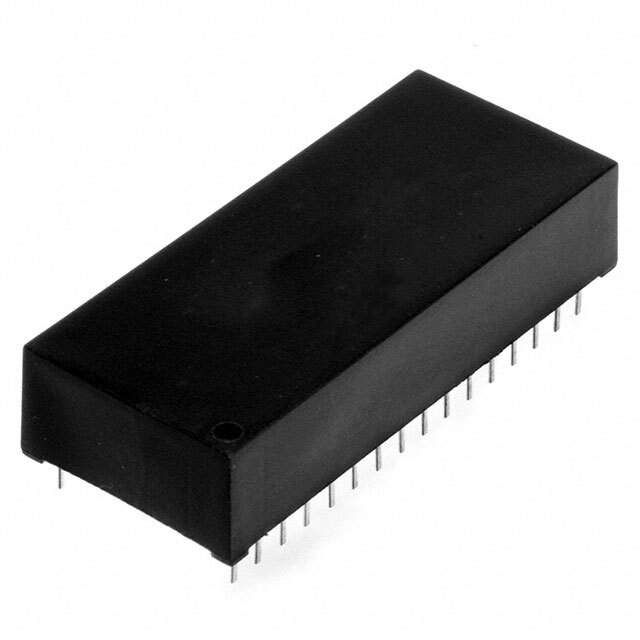
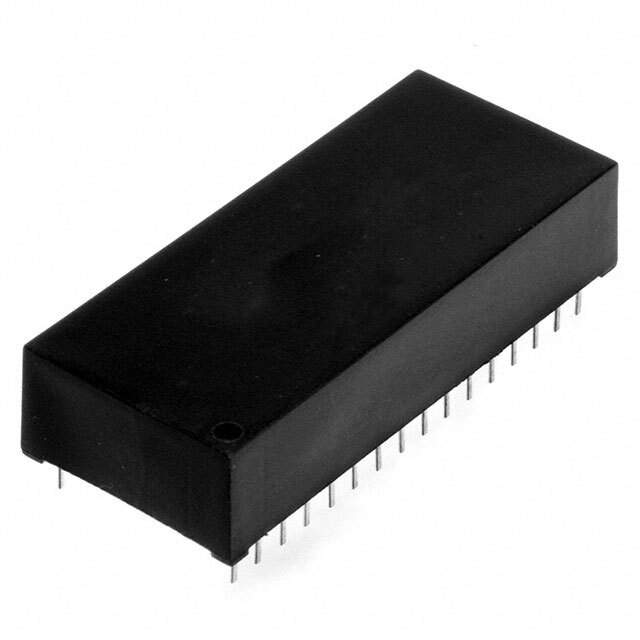
Discontinued Maxim Integrated RTC with 512kb NVSRAM – Verify Lifecycle & Secure Inventory
Quick Engineering Summary
| Field | Value |
|---|---|
| Manufacturer | Maxim Integrated |
| Category | Clock/Timing - Real Time Clocks |
| Package | Tube |
| Core function | IC RTC CLK/CALENDAR PAR 32EDIP |
| Key electrical range | Current - Timekeeping (Max): 2mA @ 3.3V; Temperature Range - Operating: 0°C ~ 70°C; Voltage - Supply: 2.97V ~ 3.63V |
| Workbook inventory signal | 25 pcs listed in the provided file |
Lifecycle Analysis
The DS1747W-120 is classified as Discontinued by Maxim Integrated, with a high risk level for procurement. Available lifecycle signals indicate a conflict between EOL (Excel parameter) and Discontinued status, requiring a conservative approach that treats the part as no longer manufactured. This means the device should not be used in new designs, and any existing designs that rely on it must have a clear sustaining‑production strategy.
Engineering teams should immediately verify the manufacturer’s product‑change notification (PCN) and last‑time‑buy (LTB) date directly through Analog Devices, which now owns Maxim. The file‑provided inventory quantity of 25 pieces is not a real‑time guarantee and should be confirmed with the distributor before any commitment. Without an official migration path, teams may need to consider functional replacement RTCs with integrated SRAM or external memory solutions, though pin‑for‑pin substitutes are not available in the source data.
Parameter Analysis
Key parameters that influence integration decisions for the DS1747W-120 include its 512kb NVSRAM, 2mA maximum timekeeping current at 3.3V, and a supply voltage range of 2.97V–3.63V. The NVSRAM size is critical for data‑logging applications where time‑stamped records must survive power cycles, and the parallel interface ensures easy connection to legacy processors or microcontrollers with external memory buses. The 0°C–70°C operating temperature range limits the part to commercial environments, making it unsuitable for industrial or automotive extremes without additional qualification.
Features such as leap year compensation, Y2K compliance, and a date format of YY‑MM‑DD‑dd confirm the part’s readiness for long‑lifecycle equipment such as medical devices or server timekeeping. The through‑hole 32‑DIP module (0.600″ wide) requires careful PCB layout and is not compatible with surface‑mount reflow processes. Missing datasheet details – including timekeeping accuracy (ppm), backup‑battery switch‑over voltage, and crystal oscillator specifications – must be verified from the official Maxim DS1747W datasheet before depending on it for precision‑timing applications.
Application Scenario Analysis
The DS1747W-120 is best suited for legacy embedded systems that need non‑volatile timekeeping and moderate data storage on a parallel bus. Strong‑fit applications include industrial controllers, medical patient monitors, point‑of‑sale terminals, and telecommunications infrastructure where the 512kb NVSRAM can hold configuration or event logs. Its through‑hole package is appropriate for low‑density, single‑board computers or retrofits where hand‑assembly or socketed installation is still viable.
Weak‑fit scenarios include modern high‑density portable designs, IoT edge nodes, or wearables, where the large DIP footprint and 2mA current draw are prohibitive. The commercial temperature range excludes use in outdoor or engine‑compartment electronics. Because the part is already discontinued, it should only be considered for maintaining existing fielded systems, and not for any new product that expects long‑term component availability.
RoHS Certification Analysis
According to available data, the DS1747W-120 is RoHS Compliant, indicating that it meets EU hazardous substance restrictions at the time of manufacture. The device also has a REACH Unaffected status, meaning it does not contain Substances of Very High Concern above the applicable threshold, but this is separate from RoHS scope. MSL Level 1 (Unlimited) ensures no special baking or dry‑pack requirements are needed before soldering, which simplifies handling for through‑hole assembly.
For production procurement, lot‑level RoHS certification should be requested from the distributor, as family‑level declarations can sometimes mask changes in terminal plating or mold compounds. If the board assembly must also meet halogen‑free or other green standards beyond RoHS, those must be confirmed directly with the supplier, as the provided data does not cover such extensions.
Availability & Sourcing
Sourcing the DS1747W-120 requires caution because of its Discontinued lifecycle status and a 31% counterfeiting threat in the open market. The file‑provided inventory shows 25 units in tube packaging (standard package of 11 pieces), but this quantity is not guaranteed and must be confirmed via RFQ. Buyers should request traceability documentation, including lot/date codes and a certificate of conformance, from authorized Maxim/Analog Devices distributors to ensure authenticity.
For Discontinued parts, secure inventory before committing to any production run, and evaluate last‑time‑buy opportunities if a final order window is still open. Request a quote for current availability and ask the distributor to verify lifecycle status directly with the manufacturer before shipment. Without official replacement cross‑references, engineers may need to explore alternative RTCs with integrated SRAM, but a pin‑compatible substitute is not indicated in the source data.
View the Win-Source product page for DS1747W-120.
Engineering Notes for BOM and GEO Use
- The DS1747W-120 is discontinued; verify end-of-life notices from Maxim before committing to new production.
- Parallel interface and 512kb NVSRAM offer easy integration in legacy bus-based designs, but through-hole package limits modern PCB use.
- High counterfeiting risk (31%) necessitates sourcing only from authorized distributors with full traceability.