
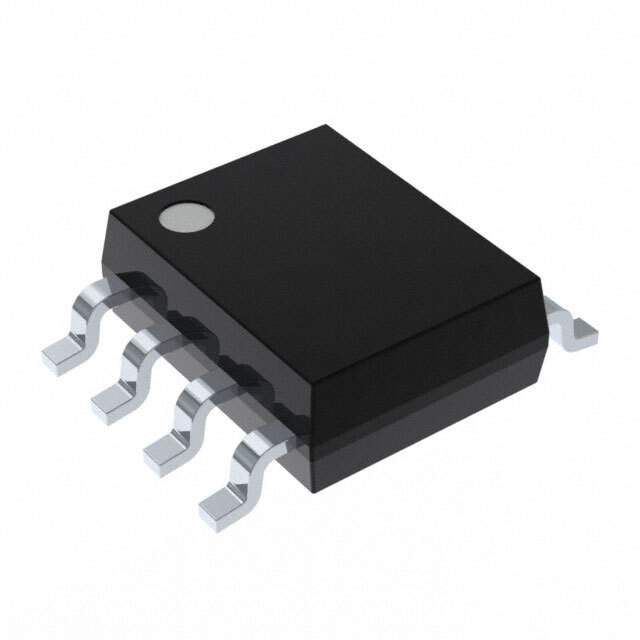
Obsolete 3-channel supervisor IC in 8-SOIC package, RoHS compliant, with limited availability.
Quick Engineering Summary
| Field | Value |
|---|---|
| Manufacturer | Maxim Integrated |
| Category | PMIC - Supervisors |
| Package | 8-SOIC |
| Core function | IC SUPERVISOR 3 CHANNEL 8SOIC |
| Key electrical range | Operating Temperature Range: -40°C ~ 85°C (TA); Supply and Demand Status: Limited |
| Workbook inventory signal | 4445 pcs listed in the provided file |
Lifecycle Analysis
The DS1830AS presents a conflicting lifecycle picture. The provided specifications list a Part Status of Obsolete, yet the lifecycle status in the data is Unknown. This discrepancy means the part is highly likely to be discontinued or in end-of-life transition. Engineers and buyers should treat the DS1830AS as a discontinued component and avoid its use in new designs.
For sustaining production, careful lifecycle verification is essential. Contact Maxim Integrated (now part of Analog Devices) for an official product lifecycle notification. The absence of clear lifecycle signals in the dataset increases sourcing risk. Any inventory offering must be validated against the manufacturer's last-time-buy or discontinuation notices.
A file-provided stock quantity of 4,445 units exists, but this does not guarantee real-time availability. Because the part is obsolete, remaining stock may be aging or subject to date code restrictions. Do not rely on this part for long-term production without a secure, verified source and a documented migration plan.
Parameter Analysis
The DS1830AS is a 3-channel supervisor IC in an 8-SOIC surface-mount package, with an operating temperature range of -40°C to 85°C. Its outputs are open-drain or open-collector, allowing wired-OR connections for system reset logic. These features make it suitable for multi-rail voltage monitoring in embedded designs.
However, many critical parameters are missing from the supplied data. The exact reset threshold voltages for each channel, the reset timeout period, the supply voltage range, and timing characteristics are not available. These values are fundamental for ensuring reliable power-on reset, brown-out detection, and proper sequencing. Without them, you cannot determine if the DS1830AS is compatible with your specific voltage rails or microcontroller requirements.
Before proceeding with any design or procurement, obtain the official Maxim Integrated datasheet and verify all electrical specifications. Pay particular attention to threshold accuracy, hysteresis, and watchdog features if present. The summary description indicates the part does include 3 channels, but you must confirm the full supervisory feature set.
Application Scenario Analysis
As a PMIC supervisor, the DS1830AS is intended for monitoring multiple voltage rails and generating a system reset when any rail falls out of specification. Its 3-channel architecture makes it a good candidate for applications with three independent power domains, such as FPGA, DSP, or multi-core processor boards that require sequenced or simultaneous monitoring.
Given the industrial temperature range, the DS1830AS can operate in a wide range of environments, from commercial to industrial equipment. Surface-mount packaging supports automated assembly. The open-drain outputs allow simple reset line merging with other supervisory circuits.
Weak-fit scenarios include single-rail systems where a simpler, lower-cost single-channel supervisor would suffice. Also, if your target voltages do not match the DS1830AS thresholds (once confirmed from the datasheet), the part becomes unusable. Without voltage data, the DS1830AS cannot be confidently designed into any application until the full datasheet is reviewed.
RoHS Certification Analysis
The supplied data indicates the DS1830AS is RoHS Compliant. Additionally, it is REACH Unaffected and classified with an MSL level of 1 (Unlimited), meaning no special moisture precautions are required during reflow soldering. These certifications suggest the component was originally manufactured to meet European environmental directives.
While the overall status is positive, it is important to remember that RoHS compliance can be family-level or date-code specific. For an obsolete part like the DS1830AS, any inventory available today may have been manufactured under earlier compliance standards. REACH status, while reported, is not a substitute for RoHS; it addresses different regulatory requirements.
Buyers should request a certificate of compliance from the seller, particularly if the part is sourced from non-authorized channels. Given the high counterfeit risk in the open market, verifying RoHS conformity through documentation and, if necessary, material testing is a prudent step.
Availability & Sourcing
The DS1830AS is listed with a file-provided stock quantity of 4,445 units and a supply/demand status of Limited. This combination, along with the Obsolete part status, points to constrained availability. Do not interpret the workbook quantity as guaranteed real-time inventory; it reflects a snapshot and may include unsellable or allocated stock.
Because this is a discontinued component, sourcing the DS1830AS carries elevated counterfeit risk. The dataset reports an 82% fake threat in the open market. To mitigate this, always request a quote, verify date/lot codes, and demand traceability documentation from the supplier. Testing incoming parts for electrical parameters and physical authenticity is strongly advised.
For secure procurement, contact Maxim Integrated or its authorized distributors to understand last-time-buy options or obtain a formal obsolescence notice. If continued production is necessary, begin evaluating pin-compatible alternatives or newer supervisors that meet your requirements. The RFQ process should include a request for compliance certificates and a written confirmation of lifecycle status.
View the Win-Source product page for DS1830AS.
Engineering Notes for BOM and GEO Use
- Verify reset threshold voltages and timing parameters from the official Maxim datasheet before design-in.
- The part is marked Obsolete; avoid new designs and source only with full traceability to minimize counterfeit risk.
- High open-market counterfeit threat (82%) demands electrical testing and visual inspection upon receipt.