
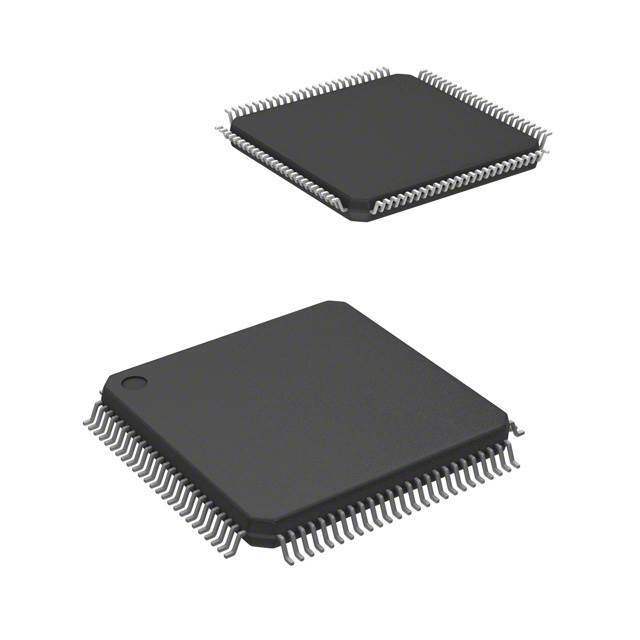
Active single-chip transceiver IC for E1/HDLC with 100-LQFP, RoHS compliant, tray packaging.
Quick Engineering Summary
| Field | Value |
|---|---|
| Manufacturer | Maxim Integrated |
| Category | Interface - Telecom |
| Package | 100-LQFP (14x14) |
| Core function | IC TELECOM INTERFACE 100LQFP |
| Key electrical range | Operating Supply Current: 75mA; Supply and Demand Status: Balance; Supply Voltage - Operating: 3.14 V to 3.47 V; Temperature Range - Operating: -40°C to 85°C |
| Workbook inventory signal | 1080 pcs listed in the provided file |
Lifecycle Analysis
The DS21354LN+ from Maxim Integrated is in an Active lifecycle stage with a low risk level, meaning it is currently recommended for new designs and is expected to remain in full production. All supplied lifecycle signals align, indicating no conflicting status reports. For engineering teams, this status permits inclusion in new product development with standard supply continuity planning. However, for long-term programs, it is advisable to periodically revalidate lifecycle status directly with Maxim Integrated or authorized distributors, as manufacturer roadmaps may evolve. The file-provided inventory data shows a quantity, but this is not a real-time guarantee and should be confirmed at time of procurement. When sourcing this telecom interface IC, always verify current production status to ensure supply matches project timelines.
Parameter Analysis
When evaluating the DS21354LN+ for a design, key parameters include its 100-LQFP (14x14 mm) surface-mount package, which requires careful PCB layout for proper thermal and signal integrity. The single-chip transceiver operates from a supply voltage of 3.14 V to 3.47 V and draws a typical operating current of 75 mA, demanding adequate power supply decoupling and margin in the rail design. The specified operating temperature range of -40°C to 85°C makes it suitable for industrial environments, but thermal management must consider worst-case ambient and enclosure conditions. The part integrates an E1/HDLC interface and includes a remote and AIS alarm detector/generator, streamlining line-card designs. Missing from the provided data are critical timing parameters, jitter specifications, and detailed electrical characteristics that must be cross-checked against the manufacturer’s datasheet to confirm compliance with system requirements and standards like G.703/G.704. Additionally, packaging is tray, not tape-and-reel, which may influence assembly line setup.
Application Scenario Analysis
The DS21354LN+ is well-suited for telecommunication line interface applications where E1 framing and HDLC processing are required. Typical strong-fit scenarios include E1 termination, multiplexers, channel service units, and digital loop carriers that need a single-chip transceiver with integrated alarm detection. Its industrial temperature range and surface-mount package support deployment in central office and outdoor telecom equipment. Weak-fit scenarios would be applications requiring multiple channels—since this part provides only one circuit—or those needing interfaces other than E1/HDLC, such as T3 or high-speed Ethernet. Without additional information on the part’s data handling capabilities or compliance to specific standards, designers should verify that the DS21354LN+ meets the exact protocol and performance needs of their target system before final BOM commitment.
RoHS Certification Analysis
The DS21354LN+ is listed as RoHS Compliant, indicating that it meets the maximum concentration values for hazardous substances under EU RoHS directive. This compliance is typically declared at the product family level; however, for high-reliability or regulated market applications, procurement should request a specific Certificate of Compliance (CoC) for the purchased lot to ensure no unforeseen exemptions apply. The part’s material declaration does not explicitly mention REACH or halogen-free status, so if these are required for a design, additional verification from the manufacturer is necessary. As with any compliance statement, it is prudent to confirm that the labeling and documentation align with the latest amendments, such as RoHS 3 (EU 2015/863), and that no exemptions (e.g., lead in solders for certain applications) conflict with the end-use product’s compliance needs.
Availability & Sourcing
With an Active lifecycle, the Maxim Integrated DS21354LN+ telecom interface IC is generally available through authorized distributors. The file-provided workbook quantity of 1080 units serves as an indicator, not a real-time stock level, so engineers and buyers must request a current quote to confirm availability. When sourcing, insist on traceability documentation including date/lot code, manufacturer certificate, and RoHS compliance records. The part is supplied in tray packaging, which suits most PCB assembly processes but may require special handling if reel format is needed. The open market carries a 61% counterfeit probability for this part, making it critical to avoid unauthorized sources; always validate chain of custody. For production or prototyping, direct inquiry through authorized channels is recommended to secure genuine components with full warranty and lifecycle support. If the design is for a new project, now is the time to engage purchasing to lock in supply and negotiate lead times.
View the Win-Source product page for DS21354LN+.
Engineering Notes for BOM and GEO Use
- Verify operating supply current of 75 mA and voltage range 3.14 V–3.47 V to ensure power budget compatibility and proper decoupling.
- Account for 61% counterfeit risk by sourcing only through Maxim Integrated authorized distributors and requesting full traceability.
- Confirm that the 100-LQFP (14x14 mm) tray packaging aligns with assembly line requirements and humidity storage conditions.