
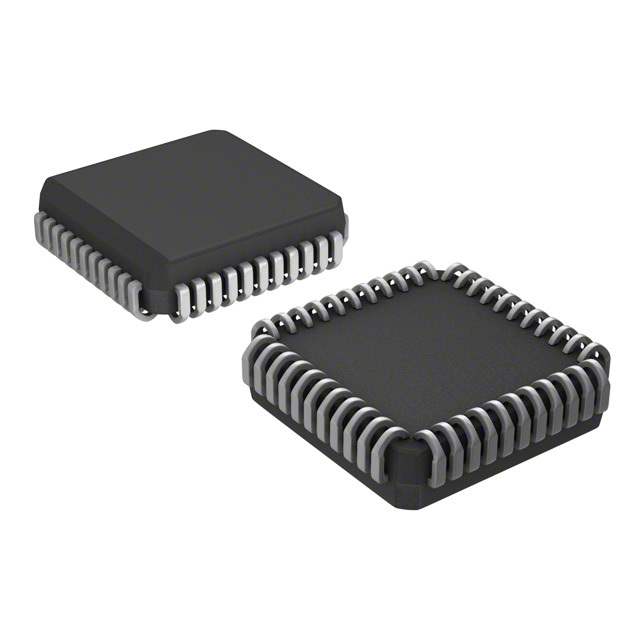
Inside: lifecycle risks, key parameters, application fit, and procurement for the DS2141AQ+.
Quick Engineering Summary
| Field | Value |
|---|---|
| Manufacturer | Maxim Integrated |
| Category | Interface - Telecom |
| Package | 44-PLCC (16.59x16.59) |
| Core function | IC TELECOM INTERFACE 44PLCC |
| Key electrical range | Operating Supply Current: 10mA; Supply and Demand Status: Limited; Supply Voltage - Operating: 4.5 V to 5.5 V; Temperature Range - Operating: 0°C to 70°C |
| Workbook inventory signal | 9200 pcs listed in the provided file |
Lifecycle Analysis
The DS2141AQ+ has reached end‑of‑life according to the manufacturer’s lifecycle status. All available signals confirm EOL, meaning the part is no longer recommended for new designs. Procurement should only occur to support existing production or repair of legacy systems where a redesign is not immediately feasible.
This status carries high risk because no direct replacement or migration path is documented in the source data. Without an official EOL notice from Maxim Integrated, buyers must verify last‑time‑buy windows and any remaining authorized distribution channels. File‑provided inventory figures indicate some availability, but these are not real‑time counts and should not be relied upon without confirmation.
For sustaining use, secure quotes early and validate the physical stock’s provenance. Design teams should consider a pin‑compatible alternative only if a manufacturer‑approved substitute is formally released; otherwise, plan for a board respin.
Parameter Analysis
Key parameters for the DS2141AQ+ include its 44‑PLCC surface‑mount package (16.59×16.59 mm), operating supply voltage of 4.5 V to 5.5 V, and a typical supply current of 10 mA. The commercial temperature range of 0°C to 70°C restricts use to indoor environments. The interface type is listed as parallel/serial, typical for T1/E1 framer/line interface units.
These values are critical for power budgeting and PCB layout. The 5 V rail requirement aligns with many legacy telecom racks, and the low 10 mA draw eases thermal margins. The PLCC package demands careful soldering profiles and inspection due to its J‑lead design.
Missing from the source data are clock frequencies, framing standards (D4, ESF, etc.), and detailed I/O timing. Engineers should consult the original Maxim datasheet for these specifications, as they directly impact signal integrity and compatibility with existing backplanes.
Application Scenario Analysis
The DS2141AQ+ is a telecom‑specific interface IC, likely designed for T1/E1 line cards, channel banks, PBX systems, and other PSTN‑era infrastructure. Its parallel/serial interface supported connection to legacy microprocessors or system buses. In these roles it provided framing, line interface, and alarm‑monitoring functions.
Modern VoIP‑centric systems are a weak fit because TDM‑based designs are being phased out. Industrial‑grade applications are excluded by the 0–70°C rating. New designs should avoid this EOL part altogether. It remains relevant only for maintaining installed base equipment in telecom central offices, enterprise voice switches, or test sets where a complete system requalification is not planned.
Any reuse must validate that the 5 V supply and PLCC footprint are still acceptable. The part’s high counterfeit rating demands trusted suppliers, especially when replacing a failed component in critical service.
RoHS Certification Analysis
DS2141AQ+ is marked RoHS Compliant, likely meeting EU RoHS directive standards. This classification suggests the plating and internal materials do not contain restricted substances such as lead above threshold limits. For legacy EOL components, RoHS compliance is important even when used in repair contexts, as many repair depots still require compliance documentation.
The source data does not provide separate REACH declarations or halogen‑free certifications. Lot‑level compliance may vary because the part was manufactured before EOL, so material declarations should be requested from the supplier for the specific date code purchased. The absence of an MSL rating also means moisture sensitivity handling must be inferred from the tube packaging and validated before reflow soldering.
Engineers should not assume that a family‑level RoHS statement automatically covers every production batch. Request a certificate of conformance that references the exact part and date code to satisfy internal audit requirements.
Availability & Sourcing
As an EOL telecom IC, DS2141AQ+ supply is limited and concentrated in independent distributors and excess‑inventory brokers. The file‑provided workbook quantity of 9,200 units may suggest some remaining stock, but this figure is not a real‑time guarantee and may include held‑back lots or non‑cancelable orders. Buyers should request a formal quote to verify current availability and lead time.
The public‑data counterfeit threat score for this part is 55%, indicating that nearly half of offers on the open market could be non‑genuine. Mitigation steps are essential: require date‑code traceability, full RoHS compliance certificates, and visual inspection for signs of remarking or reconditioning. Tube packaging should be intact and storage conditions documented.
Given the EOL status, the recommended quotation call‑to‑action is to verify remaining stock exclusively for sustaining production or repair. Secure parts early and consider evaluating a migration path if longer‑term support is needed. Do not rely on spot‑buy availability for new production volumes; instead, engage the manufacturer for any official last‑time‑buy notice and plan inventory accordingly.
View the Win-Source product page for DS2141AQ+.
Engineering Notes for BOM and GEO Use
- Verify last‑time‑buy and obsolescence notices directly with Maxim Integrated before committing to new production builds or long‑term stockpiling.
- The 44‑PLCC package and 0–70°C commercial temperature range confine the DS2141AQ+ to indoor, legacy telecom line cards and enterprise equipment; industrial outdoor use is unsupported.
- Counterfeit risk on the open market is rated 55%; always require full traceability documentation, date/lot codes, and RoHS certificates from the supplier.