
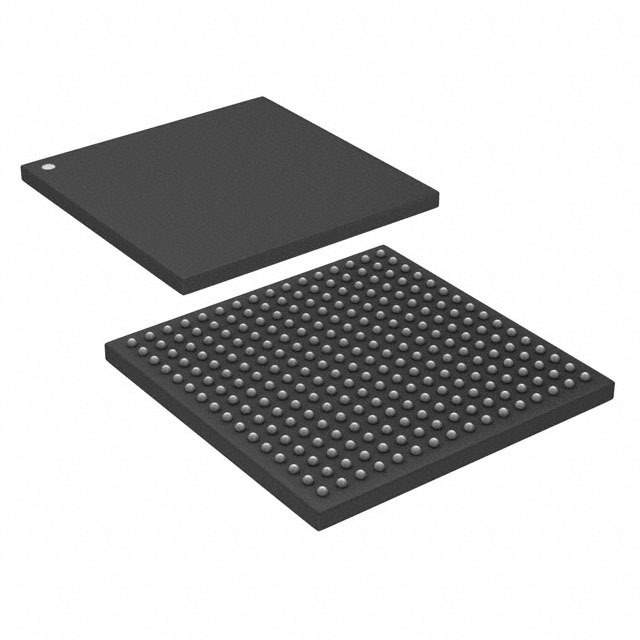
Engineer's sourcing guide for Maxim Integrated DS21458+ – lifecycle, parameters, application fit, RoHS, and availability.
Quick Engineering Summary
| Field | Value |
|---|---|
| Manufacturer | Maxim Integrated |
| Category | Interface - Specialized |
| Package | Not available in supplied data |
| Core function | IC TRANSCEIVER FULL 4/4 256CSBGA |
| Key electrical range | Max Supply Current: 328 mA; Max Supply Voltage: 3.465 V; Maximum Operating Temperature: 70 °C; Min Operating Temperature: 0 °C |
| Workbook inventory signal | 1 pcs listed in the provided file |
Lifecycle Analysis
The DS21458+ is confirmed End-of-Life (EOL) by multiple lifecycle signals. This means the manufacturer has discontinued production and no new orders are being accepted. For engineers, the DS21458+ is not suitable for new designs; any commitment to this part must be limited to sustaining existing equipment.
Procurement teams should treat the DS21458+ as a high-risk component. The immediate priority is to secure remaining inventory through authorized channels or via last-time buy programs if still available. The displayed stock quantity is file-provided and not a real‑time guarantee; always request a live quote to confirm availability.
If no stock is accessible, migration to an active alternative is required. Consult Maxim Integrated (now Analog Devices) for a recommended replacement or functionally equivalent upgrade. Any redesign should account for differences in package, pinout, or software compatibility.
Parameter Analysis
The DS21458+ operates from a single 3.3V supply, with a specified range of 3.135V to 3.465V. This narrow tolerance requires careful regulator design and decoupling to maintain signal integrity across all four transceiver channels. The maximum supply current is 328 mA, which, combined with the 70°C maximum ambient temperature, demands adequate thermal relief in the PCB layout.
The data rate is listed at 64 kbps, consistent with T1 (1.544 Mbps) or E1 (2.048 Mbps) framing structures when considering single‑channel timing. The device adheres to IEEE 1149.1 (JTAG) for boundary scan, which can simplify production testing. However, the source data lacks critical parameters such as receiver sensitivity, jitter tolerance, and output drive strength.
Before qualifying this part for sustaining production, obtain the full datasheet to verify timing margins, interface electrical characteristics, and any required external clock references. Confirm that the 256‑ball CSBGA package is compatible with your assembly process and reflow profile.
Application Scenario Analysis
The DS21458+ is a specialized interface device likely used in legacy telecommunications equipment that processes T1 or E1 physical layers. The 4/4 transceiver architecture suggests four independent full‑duplex channels, making it suitable for channel banks, digital cross‑connect systems, or PBX trunk interfaces installed before 2010.
A strong fit scenario is sustaining an existing line card where a drop‑in replacement is needed for a failed DS21458+. Because the part is EOL, any new design wins that rely on this part are inadvisable. The 64‑kbps lane rate and surface‑mount 256‑CSBGA packaging align with mid‑density telecom boards that prioritize channel count over speed.
Weak‑fit scenarios include high‑speed network interfaces (e.g., Gigabit Ethernet) or modern designs requiring low power or small footprint. The DS21458+ is also not suitable for radiation‑hardened applications, as the data explicitly states no radiation hardening. For any new telecom design, consider active Maxim Integrated or third‑party devices with similar functionality but current product status.
RoHS Certification Analysis
The DS21458+ is listed as RoHS Compliant and Lead Free according to the source data. This typically means it conforms to EU RoHS Directive 2011/65/EU, restricting hazardous substances such as lead, mercury, and cadmium. No exemptions are indicated, suggesting full material compliance.
Because the part is EOL, there is a potential risk that older stock from non‑RoHS batches may enter the open market. Buyers should request up‑to‑date RoHS certificates and test reports (e.g., XRF analysis) for each lot purchased through non‑authorized channels. The absence of REACH and MSL information in the source data means those must be clarified with the supplier if required by your environmental policy.
For sustaining production where RoHS compliance is mandatory, verify that the DS21458+ lot codes correspond to compliant manufacturing dates. If the part is being sourced from broker stock, consider third‑party lab testing to confirm material content meets current thresholds.
Availability & Sourcing
The DS21458+ is in a shortage state with only token file‑based stock. The open‑market fake threat is assessed at 57%, indicating a significant risk of counterfeit or recycled components. Sourcing should be restricted to franchised distributors or carefully vetted independent suppliers who can provide full traceability and a certificate of conformance.
Request a detailed RFQ specifying your required quantity, date/lot code preferences, and compliance documentation (RoHS, lead‑free, storage condition). The source data mentions dry storage cabinet and humidity protection, which is critical for moisture‑sensitive CSBGA packages; ensure that the supplier maintains vacuum‑sealed packaging with desiccant and humidity indicator cards.
As an EOL part, standard procurement steps include verifying the manufacturer’s discontinuance notice, establishing a last‑time‑buy window, and securing enough stock to cover the remaining life of the end product. Because the supply situation is dynamic, obtain a real‑time quote through the provided portal rather than relying on any snapshot quantity. For users who cannot secure DS21458+, immediately evaluate migration paths to active equivalents recommended by Analog Devices.
View the Win-Source product page for DS21458+.
Engineering Notes for BOM and GEO Use
- DS21458+ is End-of-Life (EOL); secure remaining stock or initiate redesign immediately for new projects.
- Verify 3.3V supply tolerance, 328mA max current, and 0–70°C operating range against your system requirements.
- High open-market counterfeit risk (57%) demands strict traceability and RoHS documentation from suppliers.