
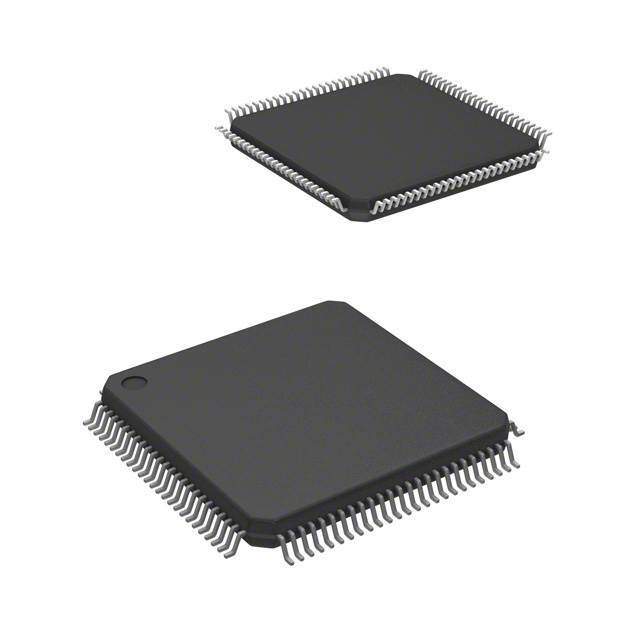
Single-chip transceiver with HDLC and alarm functions in 100-LQFP. Check with manufacturer for lifecycle certainty.
Quick Engineering Summary
| Field | Value |
|---|---|
| Manufacturer | Maxim Integrated |
| Category | Interface - Telecom |
| Package | 100-LQFP (14x14) |
| Core function | IC TELECOM INTERFACE 100LQFP |
| Key electrical range | Operating Supply Current: 75mA; Operating Supply Voltage: 4.75 V ~ 5.25 V; Operating Temperature Range: 0°C ~ 70°C; Supply and Demand Status: Limited |
| Workbook inventory signal | 1 pcs listed in the provided file |
Lifecycle Analysis
The Maxim Integrated DS21554L+ is listed with an Active lifecycle status by the manufacturer, indicating that it is currently in production and available for new designs. However, a specification field provided in the sourcing data shows an Estimated EOL Date of 2023, which introduces a potential discrepancy. This estimated end-of-life year has already passed, raising questions about the long-term availability of the part. Engineers and buyers should treat this as a medium risk and obtain direct confirmation from Maxim Integrated regarding the official product lifecycle. Request a product change notification (PCN) or a life-cycle status letter before committing to this component for high-volume or long-lifecycle designs.
If the part is indeed approaching discontinuation, sustaining production may require last-time buys and inventory buffering. For now, the formal status remains Active, but the ambiguous signal warrants a conservative procurement approach. Always verify the most current status with authorized distributors or the manufacturer before finalizing a bill of materials.
Parameter Analysis
The DS21554L+ is a single-chip E1/J1/T1 transceiver, supporting HDLC and including remote and AIS alarm detection/generation. Key parameters from the supplied data include an operating supply voltage of 4.75 V to 5.25 V, a typical supply current of 75 mA, and a commercial temperature range of 0°C to 70°C. The IC is housed in a 100-pin LQFP package with a 14x14 mm body, using SMD mounting. These values are critical for power budget calculations, thermal management, and PCB layout. The 5 V supply and 75 mA current draw imply a maximum power dissipation around 375 mW, though exact worst-case figures should be verified in the datasheet.
Missing from the provided specifications are important design parameters such as jitter tolerance, transmit/receive line interface characteristics, clocking options, and detailed register maps. Additionally, the component’s moisture sensitivity level (MSL) is not listed. Engineers should obtain the full Maxim Integrated datasheet to confirm these parameters and ensure compatibility with target line standards. The halogen-free compliance is noted but does not replace detailed material declarations.
Application Scenario Analysis
The DS21554L+ is ideally suited for legacy and current telecommunications infrastructure requiring T1, E1, or J1 interface termination. Typical applications include channel service units (CSUs), data service units (DSUs), PBX systems, multiplexers, and access concentrators. Its integrated framing, alarm detection, and HDLC controller make it a strong candidate for synchronous serial communication in telecom switching and transmission systems.
However, this part may be a weak fit for simpler serial communication needs that do not require T1/E1 framing, such as basic UART-to-microcontroller interfaces, or for designs demanding industrial temperature ranges (-40°C to +85°C). The commercial 0°C to 70°C operating range limits its use in outdoor or rugged environments. Additionally, with the ambiguous EOL signal, designers of new high-volume products should weigh the risk of future availability and consider pin-compatible alternatives from Maxim or other suppliers if long-term supply is critical.
RoHS Certification Analysis
According to the supplied data, the DS21554L+ is RoHS Compliant. This likely means compliance with RoHS 3 (EU Directive 2015/863) standards, which restricts hazardous substances such as lead, mercury, and cadmium. The specification also lists the part as Halogen Free Compliant, further supporting environmentally conscious designs. No specific exemptions are mentioned, but typical telecom ICs may have lead in internal die attach or other exemptions; verification through a full material declaration from Maxim Integrated is recommended.
While REACH status is not provided, RoHS compliance is the primary environmental certification needed for EU market access. For production, buyers should request a certificate of compliance that applies to the exact lot or date code being purchased, as manufacturer-wide classifications can change. The absence of MSL information in the sourcing data means PCB assembly houses should request the latest MSL rating to plan baking and floor-life procedures.
Availability & Sourcing
The DS21554L+ is currently shown with limited file-provided inventory (1 unit), which is not a real-time guarantee. Buyers should request a quote for current availability, lead time, and minimum order quantities. The part is supplied in tray packaging, standard for 100-LQFP devices. Given a 60% open-market counterfeit threat rating, sourcing from authorized Maxim Integrated distributors is essential to avoid substandard or non-functional parts.
Due to the conflicting lifecycle signals (Active status vs. Estimated EOL 2023), procurement teams should prioritize manufacturers’ official stock checks and request a written product life-cycle status. For immediate needs, secure available inventory after verifying date/lot codes and requesting compliance documentation (RoHS certificate, country of origin). If the part is confirmed EOL, evaluate a last-time buy and begin migration qualification. Otherwise, for active status, proceed with RFQ and standard verification steps.
View the Win-Source product page for DS21554L+.
Engineering Notes for BOM and GEO Use
- Discrepancy between Active lifecycle and estimated EOL 2023; clarify with Maxim before new design.
- Open-market counterfeit risk is high (60%); insist on traceability and authorized distribution.
- The part operates at commercial temperature range (0°C to 70°C); not suitable for industrial or outdoor without additional validation.