
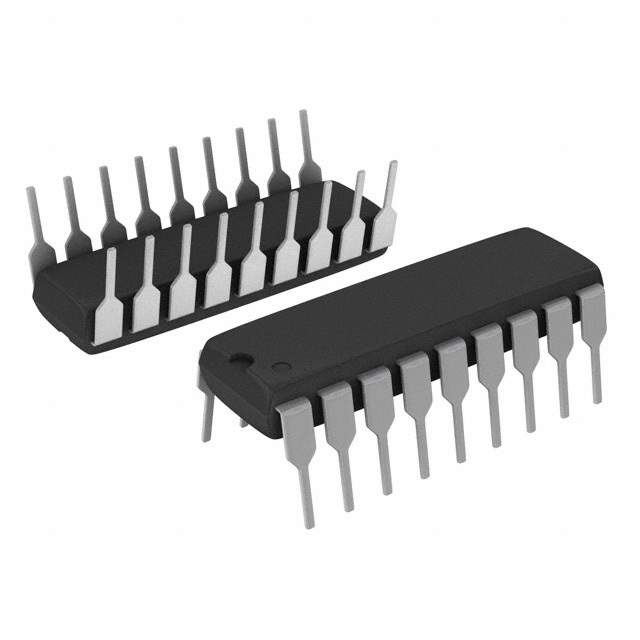
End-of-life telecom interface IC for legacy T1 line card applications – 18-PDIP
Quick Engineering Summary
| Field | Value |
|---|---|
| Manufacturer | Maxim Integrated |
| Category | Interface - Telecom |
| Package | 18-PDIP |
| Core function | IC TELECOM INTERFACE 18DIP |
| Key electrical range | Operating Temperature Range: 0°C ~ 70°C; Supply and Demand Status: Balance |
| Workbook inventory signal | 1000 pcs listed in the provided file |
Lifecycle Analysis
The Maxim Integrated DS2187 is officially end-of-life (EOL) and marked obsolete by the manufacturer. This means the part is no longer recommended for new designs, and production has ceased. For engineers and buyers maintaining legacy telecom systems, this status signals a high procurement risk. Any remaining stock is limited and may deplete quickly.
All lifecycle data from the source confirm EOL status with no conflicts. The file-provided inventory quantity should not be considered a real-time guarantee. Before committing to a purchase, verify the latest manufacturer notifications and authorized distributor stock. For long-term product sustainability, begin evaluating migration paths to active replacement devices.
Parameter Analysis
The DS2187 is a single-channel T1 receive line interface IC, operating from a 4.75V to 5.25V supply with a typical current draw of 18mA. Its 18-pin PDIP through-hole package suits traditional board designs and manual assembly. The commercial temperature range of 0°C to 70°C limits deployment to controlled indoor environments. An MSL rating of 1 (unlimited) indicates no special moisture-handling requirements.
Key missing parameters from the source data include line rate specifics, jitter tolerance, input impedance, and receive sensitivity thresholds. These values are critical for ensuring compatibility with existing line card designs. Engineers must consult the original Maxim datasheet to validate these electrical characteristics before qualification. Without that data, operational margins and noise immunity cannot be fully assessed.
Application Scenario Analysis
The DS2187 is purpose-built for T1 (1.544 Mbps) receive line interface functions, commonly found in legacy telecom infrastructure such as channel banks, digital cross-connect systems, PBX equipment, and older routers with WAN interface cards. Its ability to condition and recover incoming T1 signals makes it a strong fit for repairing or sustaining these systems.
In modern designs, however, the DS2187 is a weak fit. Its through-hole package, commercial temperature range, and EOL status conflict with the demands of high-density, surface-mount, and extended-temperature equipment. New designs should select active, more highly integrated alternatives. The part remains relevant only for maintenance, repair, and sustaining engineering in long-lifecycle telecom installations.
RoHS Certification Analysis
The DS2187 is documented as RoHS Compliant, likely meeting EU RoHS 3 (2015/863) standards. Source data also shows REACH unaffected status and an MSL of 1. No specific exemptions are flagged in the supplied information.
Because this is an end-of-life part, batch-level RoHS compliance should be verified with the supplier at the time of purchase. Older stock may have been manufactured under earlier exemption windows. Request certificates of conformance and any relevant material declarations to ensure full compliance before integrating this IC into equipment destined for regulated markets.
Availability & Sourcing
As an EOL and obsolete component, DS2187 availability is constrained. The source indicates a file-provided quantity, but this is not a real-time guarantee. Open-market risk is heightened by a reported 37% counterfeit threat, making authentication essential. Buyers should request date and lot code verification, along with provenance documentation.
To secure genuine parts, initiate an RFQ with a trusted distributor or specialized broker such as Win Source. Insist on visual inspection, electrical testing, and compliance paperwork. For new production, avoid reliance on this part; instead, plan a redesign around an active replacement. For existing repairs, prioritize verified stock and consider lifetime buys if feasible.
View the Win-Source product page for DS2187.
Engineering Notes for BOM and GEO Use
- Verify exact supply voltage tolerance and jitter specs from the original Maxim DS2187 datasheet before qualifying for repair.
- EOL status means no new production; secure remaining stock and authenticate lot codes due to a reported 37% open market fake threat.
- Note the 18-PDIP through-hole package; not suitable for surface-mount designs without adapters.