
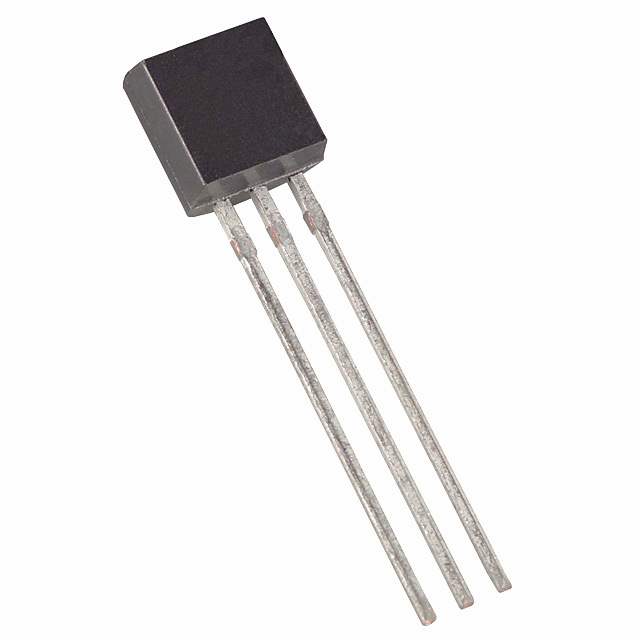
Discontinued Maxim Integrated DS2401 TO-92-3 through-hole identification IC sourcing and spec analysis
Quick Engineering Summary
| Field | Value |
|---|---|
| Manufacturer | Maxim Integrated |
| Category | Specialized ICs |
| Package | Tube |
| Core function | IC SILICON SERIAL NUMBER TO-92-3 |
| Key electrical range | Not available in supplied data |
| Workbook inventory signal | 6568 pcs listed in the provided file |
Lifecycle Analysis
The Maxim Integrated DS2401 is officially discontinued according to multiple lifecycle signals. An Excel lifecycle parameter lists it as EOL, while the Lifecycle Status and Product Status fields explicitly state Discontinued. These conflicting signals all point to end-of-life, meaning the part is no longer recommended for new designs. Engineers should verify the manufacturer’s product discontinuation notice (PDN) for last-time buy dates and support timelines.
For existing production, the DS2401 may still be procured from remaining inventory, but sustaining engineering should evaluate migration paths. The file-provided inventory of 6568 units is not a guarantee of real-time availability and must be confirmed through a quote. Risk of obsolescence is high, and long-term supply cannot be assured.
When sourcing discontinued parts, buyers should insist on date/lot code traceability and full compliance documentation. Counterfeit risk is elevated (file notes a 30% fake threat in the open market), so sourcing from authorized or verified channels is critical.
Parameter Analysis
The DS2401 is a silicon serial number IC housed in a TO-92-3 through-hole package. Key specified parameters include a through-hole mounting type, a TO-226-3 / TO-92-3 case, and MSL 1 (unlimited floor life). These mechanical attributes are crucial for PCB integration, especially in legacy or hand-assembled designs. The part is described as not programmable (Not Verified), implying it comes with a fixed, factory-lasered serial number.
Critical electrical parameters such as supply voltage, interface protocol (likely 1-Wire), operating temperature range, and timing characteristics are absent from the supplied data. Engineers must consult the original Maxim Integrated datasheet to verify these details for proper system design. The missing parameters are essential for signal integrity, power budgeting, and thermal derating.
Without complete specifications, qualification for new designs is not advised. For legacy maintenance, cross-reference the original design requirements against the manufacturer's documentation to ensure fit, form, and function compatibility.
Application Scenario Analysis
The DS2401 is designed for equipment identification, registration, and network node authentication. Typical strong-fit applications include PCB traceability in manufacturing, device authentication in embedded systems, and node addressing in sensor networks. Its through-hole TO-92 package suits legacy designs, prototyping, or environments where manual assembly is preferred.
Weak-fit scenarios include high-volume modern production where surface-mount packages are required, or applications demanding cryptographic security features beyond a simple serial number. Additionally, the discontinued status and through-hole form factor make the DS2401 less suitable for new, miniaturized designs. Engineers should evaluate if a current active alternative with similar functionality but a smaller footprint exists.
Given the 30% fake threat rate noted in the open market, the DS2401 is best sourced only for critical repairs or continued production of legacy systems where re-qualification is impractical. For new projects, consider newer Maxim Integrated or Analog Devices products that provide silicon serial numbers with enhanced features.
RoHS Certification Analysis
Compliance data for the DS2401 presents a conflict: one supplied field states RoHS Compliant, while another explicitly lists RoHS Non-Compliant. REACH status is recorded as Unaffected, and MSL is Level 1 (Unlimited). This contradiction makes it impossible to certify compliance without further investigation.
Engineers should not rely on the RoHS Compliant label alone. Lot-level or date-code-specific compliance certificates must be requested from the supplier. If RoHS compliance is mandatory for the application, verify that the exact units being procured meet EU RoHS directives, including any applicable exemptions. The presence of non-compliant inventory means that assuming compliance could lead to regulatory issues.
For full material declaration, request the manufacturer’s certificate of analysis or test reports. MSL 1 indicates no special moisture handling, but that does not relate to RoHS substance restrictions. Due diligence is essential before committing to procurement.
Availability & Sourcing
The DS2401 is discontinued, and availability is limited to existing stock. File-provided inventory of 6568 units suggests some supply remains, but this is not a real-time guarantee. Engineers and buyers should request a quote to confirm current stock levels, date/lot codes, and packaging (tube).
Given the 30% open-market counterfeit risk, source only from authorized or verified distributors. Insist on traceability documentation and full compliance certificates, especially given the conflicting RoHS data. Inspect parts upon receipt for physical signs of remarking or refurbishment.
As this part is not available for new designs, secure inventory for immediate needs and simultaneously evaluate a replacement. Contact Analog Devices (which acquired Maxim Integrated) for migration guidance and possible alternative silicon serial number products. Plan a last-time buy if a PDN is still active, and allocate inventory for future maintenance requirements.
View the Win-Source product page for DS2401.
Engineering Notes for BOM and GEO Use
- Verify RoHS compliance at lot level due to conflicting data; request certificates before purchase.
- Ensure through-hole TO-92 footprint is acceptable for your design and assembly process.
- Secure remaining inventory promptly and plan a migration to an alternative identification solution.