
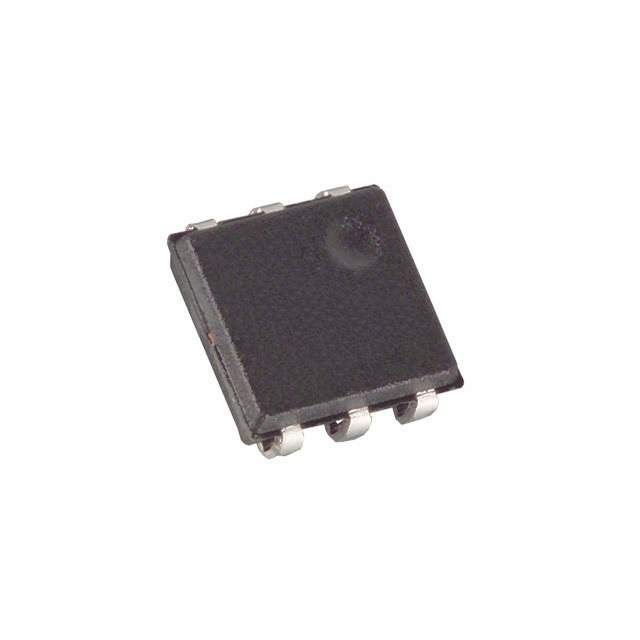
Key specs, lifecycle status, and sourcing tips for the EOL DS2430AP 256-bit 1-Wire EEPROM.
Quick Engineering Summary
| Field | Value |
|---|---|
| Manufacturer | Maxim Integrated |
| Category | EEPROM |
| Package | 6-LSOJ (0.148", 3.76mm Width) |
| Core function | IC EEPROM 256BIT 1-WIRE 6TSOC |
| Key electrical range | Supply and Demand Status: Limited; Temperature Range - Operating: -40°C ~ 85°C |
| Workbook inventory signal | 200000 pcs listed in the provided file |
Lifecycle Analysis
The DS2430AP from Maxim Integrated is in an End‑of‑Life (EOL) status, confirmed by all available lifecycle signals. EOL means the part is no longer recommended for new designs and is only intended to support existing production or repair requirements. Designers should immediately evaluate migration paths and avoid committing this part to new bill‑of‑materials.
Supply is classified as Limited, and while a file‑provided inventory quantity of 200,000 units is noted, this is not a real‑time guarantee and must be verified with the supplier. Additionally, an open‑market counterfeit threat of 31% underscores the need for careful sourcing.
For sustaining production, secure stock through last‑time buys or vetted aftermarket sources, and always request manufacturer date/lot codes and traceability documentation. If the design has not yet entered production, select an alternative memory device that meets future availability requirements.
Parameter Analysis
The DS2430AP offers a modest 256-bit (32 × 8) non‑volatile EEPROM with a 1‑Wire interface, making it suitable for low‑density configuration storage. The 15 µs access time defines the read speed, while the operating temperature range of –40°C to +85°C supports industrial environments. The 6‑TSOC SMD package and MSL 1 rating simplify board‑level handling, and the tube packaging aligns with automated assembly flows.
Critical missing parameters include supply voltage, write cycle endurance, and data retention specifications. Without these, engineers cannot fully assess power compatibility, long‑term reliability, or write speed. The datasheet should be consulted to verify voltage requirements (typically 2.8 V to 5.25 V for similar 1‑Wire devices) and endurance ratings (often 50k or 100k write cycles for EEPROM).
When qualifying the DS2430AP for legacy designs, confirm that the access time and memory organization match the software protocol, and perform margin testing across the full temperature range, especially if the part will be permanently soldered.
Application Scenario Analysis
The DS2430AP is a strong fit for applications that need a small, rugged EEPROM on a single‑wire bus, such as identification token storage, sensor calibration parameters, board serialization, or accessory authentication. Its industrial temperature range and non‑volatile nature make it useful in field equipment, industrial sensors, and legacy 1‑Wire ecosystems.
It is a weak fit for designs that require larger memory, high‑speed data logging, or modern I2C/SPI interfaces. The 256‑bit capacity is too small for firmware storage or logging, and the low popularity rating reflects its niche status. Given the EOL status, new designs should avoid this part entirely unless legacy compatibility is mandatory.
For replacement, consider newer Maxim 1‑Wire EEPROMs or other serial EEPROMs with similar interface and supply characteristics, but always verify memory map and command set compatibility before migrating software.
RoHS Certification Analysis
RoHS compliance data for the DS2430AP is conflicting. The primary compliance field lists the part as RoHS Compliant, but a specification entry explicitly states RoHS Non‑Compliant. This inconsistency may stem from different manufacturing date codes or a mixing of exempt and non‑exempt versions in the supply chain.
Without clarification from the manufacturer or supplier, a blanket claim of RoHS compliance cannot be trusted. Engineers must request a Certificate of Compliance or full material declaration for each lot to determine the exact status under EU RoHS (2011/65/EU and its amendments).
MSL 1 (unlimited floor life) is noted, but this is a moisture‑sensitivity rating and does not indicate RoHS compliance. No REACH or halogen‑free data is provided. For products shipping to the EU, verify both RoHS and REACH status directly with the distributor before procurement.
Availability & Sourcing
As an EOL part, the DS2430AP is only available through remaining stock. The file‑provided quantity of 200,000 units is not a real‑time guarantee and must be confirmed via a Request for Quote (RFQ). The part is supplied in tubes with a manufacturer pack quantity of 120, and the primary package is a 6‑TSOC.
Given a 31% counterfeit risk, buyers should require traceability documentation, such as date and lot codes, and insist on sourcing only from authorized Maxim Integrated distributors or reputable independent distributors that provide authenticity testing. Photos of the actual stock can help verify markings.
To proceed, request a formal quote that includes current stock levels, RoHS compliance confirmation on the offered lot, and lead time for delivery. Verify with the manufacturer that no remaining factory stock is available before relying solely on open‑market sources.
View the Win-Source product page for DS2430AP.
Engineering Notes for BOM and GEO Use
- Verify RoHS compliance on a per‑lot basis due to conflicting data between vendor and manufacturer records.
- Account for 31% open‑market counterfeit risk by sourcing only from authorized channels or requiring full traceability.
- The DS2430AP’s 15 µs access time and ‑40°C to +85°C range suit legacy industrial designs; plan migration for new projects.