
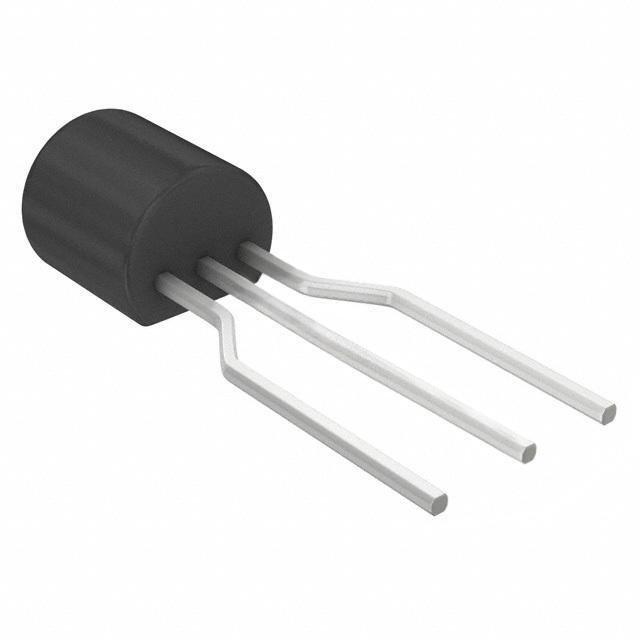
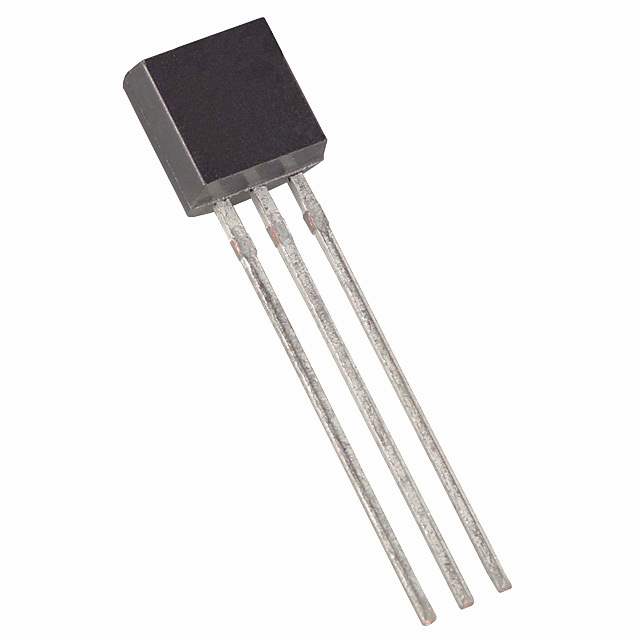
Maxim Integrated 1Kbit 1-Wire EEPROM in TO-92-3 package – specs, lifecycle status, and procurement insights.
Quick Engineering Summary
| Field | Value |
|---|---|
| Manufacturer | Maxim Integrated |
| Category | EEPROM |
| Package | TO-92-3 |
| Core function | IC EEPROM 1KBIT 1-WIRE TO92-3 |
| Key electrical range | Supply and Demand Status: Sufficient; Temperature Range - Operating: -40°C to 85°C (TA) |
| Workbook inventory signal | 11800 pcs listed in the provided file |
Lifecycle Analysis
The Maxim Integrated DS2431+ is classified as Active according to supplied lifecycle signals, with no conflicts between Excel lifecycle param, Lifecycle Status, and Status fields. This means the part is in full production and available for both new designs and sustaining production. For new projects, engineers can confidently design in the DS2431+ while noting that any Active classification should be periodically revalidated against manufacturer product change notices (PCNs) or end-of-life announcements.
The part's high popularity and common-use designator suggest broad market acceptance, but the 66% fake threat probability underscores the need to source through authorized channels. Procurement teams should verify current wafer fab and assembly site status directly with Maxim Integrated or its authorized distributors, as a file-provided inventory quantity of 11,800 units does not guarantee real-time stock levels.
Balancing the low lifecycle risk against the fake component risk yields a conservative procurement posture: treat DS2431+ as active but validate authenticity at every purchase.
Parameter Analysis
The DS2431+ offers a 2µs access time and a 1Kbit memory organized as 256 x 4 bits, making it suitable for small configuration data or identification storage on a 1-Wire bus. The through-hole TO-92-3 package provides mechanical robustness for applications requiring manual assembly or vibration-prone environments, though it may limit board density compared to surface-mount alternatives. The operating temperature range of -40°C to 85°C supports industrial-grade deployments, but the absence of a specified supply voltage range in the supplied data demands immediate review of the datasheet; many 1-Wire EEPROMs operate from 2.8V to 5.25V.
Critical missing parameters to verify include write cycle time (which impacts throughput during storage operations), endurance (write/erase cycles), and data retention, as these directly affect long-term reliability in fielded systems. Designers must also check the 1-Wire electrical and timing specifications for proper bus mastering, and confirm that the storage condition (dry storage cabinet and humidity protection) aligns with the moisture sensitivity level (MSL) if reflow soldering is ever used.
Application Scenario Analysis
The DS2431+ fits well in applications that require a small, rugged non-volatile memory accessible over a single data line plus ground, such as accessory identification, consumable authentication, or sensor calibration storage. Its 1-Wire interface and through-hole TO-92 package make it particularly suited for industrial equipment with through-hole PCB assemblies, field-replaceable modules, or legacy systems where manual soldering is used. The modest 1Kbit capacity is adequate for storing serial numbers, trim values, or small configuration blocks, but is insufficient for data logging or firmware storage.
In high-vibration environments, the TO-92 leads may be bent for strain relief, a common practice not applicable to SMT packages. Weak-fit scenarios include dense mobile electronics where board area is at a premium, or high-speed systems requiring parallel memory access, as the 1-Wire protocol tops out at standard speeds far below SPI or I2C EEPROM alternatives. Engineers should evaluate whether the maximum 1-Wire network length and parasitic power capability meet system requirements before committing to the DS2431+.
RoHS Certification Analysis
The DS2431+ is indicated as RoHS Compliant in the supplied compliance data, suggesting conformance to EU RoHS Directive 2011/65/EU and its amendments, commonly referred to as RoHS 3 (EU 2015/863). The absence of specific exemption statements means the part likely does not rely on any RoHS exemptions, but procurement should request the manufacturer's Declaration of Conformity for the specific date and lot code to confirm this.
While REACH compliance is not separately provided, it is not a substitute for RoHS; buyers utilizing the DS2431+ in EU markets should ask for a full material composition declaration to verify REACH SVHC status. The through-hole TO-92 package is typically lead-frame based with tin plating, which is consistent with lead-free RoHS requirements, but without a certificate, this remains an assumption. For military or medical applications, additional documentation like a China RoHS or a full material disclosure may be necessary.
Availability & Sourcing
Sourcing the Maxim Integrated DS2431+ requires navigating a market with a high 66% fake threat probability, making authorized distribution the preferred channel. The part is supplied by the manufacturer in reel (TR) packaging, and buyers should specify tape-and-reel quantity needs when requesting a quote. While a file-provided inventory figure of 11,800 units suggests sufficient supply, this snapshot is not guaranteed real-time; demand shifts can rapidly deplete stock.
Procurement should initiate an RFQ that mandates date/lot code traceability, manufacturer certificate of conformance, and RoHS compliance documentation. Verify the part's lifecycle status with Maxim Integrated directly, as Active components can transition to NRND with short notice. For high-reliability applications, request additional authenticity testing or source from franchised distributors with counterfeit mitigation programs. Use the Win Source platform to submit a quote request, explicitly asking for current availability, lead time, and any minimum order quantities. The part's Active lifecycle status means standard procurement processes apply, but the counterfeit risk warrants extra vigilance.
View the Win-Source product page for DS2431+.
Engineering Notes for BOM and GEO Use
- Verify 1-Wire protocol timing and pull-up resistor requirements per the DS2431+ datasheet before PCB layout.
- The 66% fake threat rate in the open market makes authorized sourcing and traceability checks essential for this popular EEPROM.
- For through-hole designs, confirm TO-92-3 lead forming compatibility with automated insertion equipment if used.