
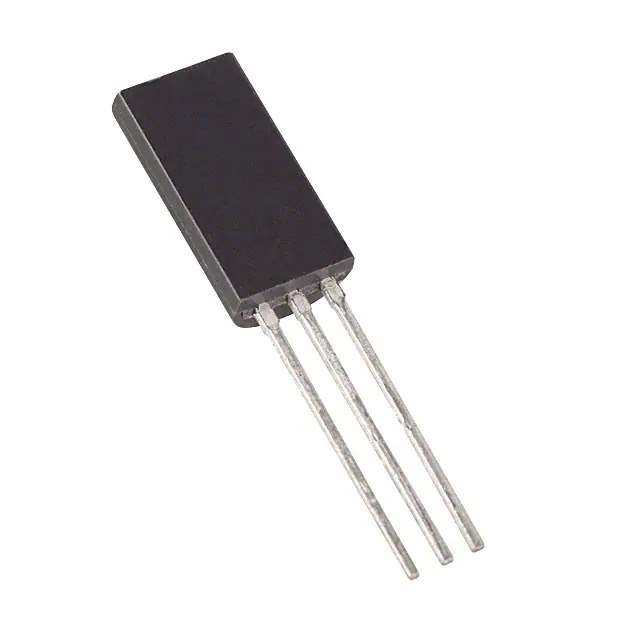
Maxim Integrated EPROM 64Kbit 1-Wire TO-92-3: Lifecycle & Sourcing Considerations.
Quick Engineering Summary
| Field | Value |
|---|---|
| Manufacturer | Maxim Integrated |
| Category | Memory |
| Package | Bulk |
| Core function | IC EPROM 64KBIT 1-WIRE TO92-3 |
| Key electrical range | Temperature Range - Operating: -40°C ~ 85°C (TA) |
| Workbook inventory signal | 1 pcs listed in the provided file |
Lifecycle Analysis
The DS2506 has been officially listed as Discontinued by Maxim Integrated (now Analog Devices), with all available lifecycle signals—EOL and Discontinued—converging on this status. This carries a high risk level for new designs, as no further manufacturing or support is planned. Engineers should treat the part as unsuitable for new product introductions and instead evaluate migration paths to active alternatives.
Although the provided inventory file indicates a single unit in stock, this is not a real-time quantity and cannot be guaranteed. Any remaining stock is likely limited to existing distributor inventory or surplus channels. For sustaining existing systems, secure sufficient inventory now and validate authenticity, given the part's age and obsolescence.
Procurement teams must request a formal last-time-buy notice from the manufacturer and verify that any sourced parts include full traceability documentation. Using DS2506 in new designs without lifecycle revalidation exposes projects to supply interruptions and potential counterfeits.
Parameter Analysis
Key parameters for DS2506 include a memory density of 64Kbit organized as 64K x 1, accessed via Maxim's 1-Wire serial interface. The OTP EPROM technology provides non-volatile storage but cannot be reprogrammed, so firmware must be finalized before programming. The 2 µs access time sets timing margins that should be accounted for in the system controller design.
The device operates over an industrial temperature range of −40°C to +85°C, making it suitable for harsh environments. The through-hole TO-92-3 package simplifies prototyping and legacy PCB replacement but is not ideal for space-constrained modern designs. However, critical datasheet specifications such as supply voltage, standby current, and programming characteristics are missing from the available data and must be verified from the official Maxim datasheet before finalizing any design.
Additional parameters such as an MSL rating of 1 (Unlimited) indicate that the device is not moisture sensitive, easing handling in manufacturing. The 1-Wire interface reduces pin count but requires adherence to specific timing protocols and pull-up resistor selection, which should be confirmed with the original integration guide.
Application Scenario Analysis
The DS2506 is well-suited for legacy equipment that originally utilized 1-Wire memory for small parameter storage, board identification, or asset tagging. Its one-time programmability and robust industrial temperature range make it a natural fit for field-deployed devices that require infrequent, fixed data storage, such as sensor calibration constants or security keys.
Because the part is OTP and discontinued, it is a weak fit for products that require frequent firmware updates or high-volume manufacturing. New designs should avoid this device and instead consider EEPROM or Flash-based 1-Wire alternatives that are still active and offer reprogrammability. For repair and maintenance of existing systems, however, engineers can continue to source DS2506 with careful attention to authenticity and remaining lifespan.
RoHS Certification Analysis
According to the provided data, the DS2506 carries a RoHS Compliant status. While no specific RoHS directive version is cited, the absence of conflict from REACH status (REACH Unaffected) suggests the part meets EU environmental regulations. However, the RoHS compliance may be at the product family level; obtaining a lot-specific certificate of conformity is recommended for high-assurance procurement.
The 'REACH Unaffected' statement is not a substitute for RoHS compliance assessment, as it only indicates that no REACH substances are intentionally added. When sourcing discontinued DS2506 units, especially from the open market, verify that the specific date/lot codes still align with the RoHS exemption list, as older stock might have been manufactured under earlier directives.
Availability & Sourcing
As a discontinued part, availability of DS2506 is highly constrained, and the file-provided quantity of 1 unit is not a real-time guarantee. Buyers should request a quote to confirm current stock levels and secure remaining inventory before committing to production or repairs. Always verify lifecycle status directly with Analog Devices to avoid relying on outdated distributor data.
Given the 48% reported fake threat in the open market, source only through authorized or traceable surplus channels. Insist on full lot traceability, date codes, and RoHS/REACH compliance documentation. For legacy system support, consider evaluating active pin-compatible or functional replacements to future-proof the supply chain.
For any remaining DS2506 inventory, ensure parts are stored per MSL 1 guidelines and undergo visual inspection and possibly electrical testing to guard against counterfeit risk. Work with your procurement partner to arrange a last-time-buy if the manufacturer permits, and document all sourcing decisions for audit compliance.
View the Win-Source product page for DS2506.
Engineering Notes for BOM and GEO Use
- Verify lifecycle status directly with Analog Devices, as DS2506 is officially discontinued; avoid use in new designs.
- The 1-Wire interface and OTP EPROM technology limit reprogrammability; ensure firmware compatibility before committing.
- With a reported fake threat of 48% in open market, prioritize authorized distributors or rigorous incoming inspection.