
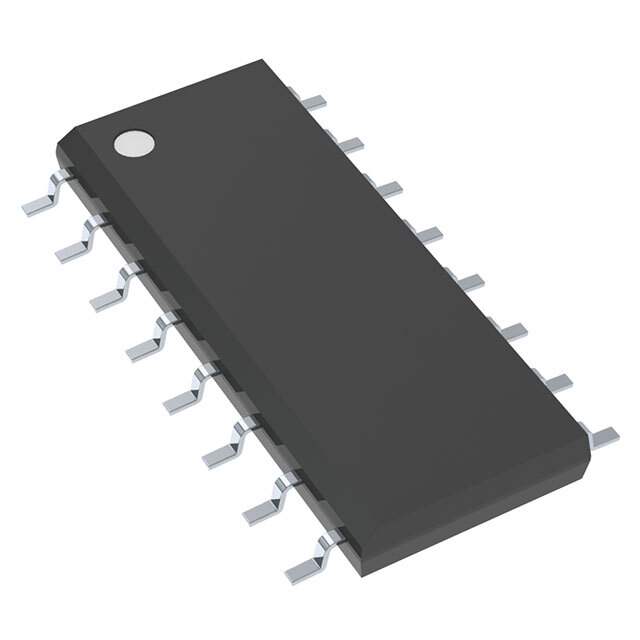
Quad RS-422/RS-485 Receiver, 16-SOIC, EOL Lifecycle – Verify Availability & Plan Migration
Quick Engineering Summary
| Field | Value |
|---|---|
| Manufacturer | Texas Instruments |
| Category | Interface - Drivers, Receivers, Transceivers |
| Package | 16-SOIC |
| Core function | IC TRANSCEIVER 0/4 16SOIC |
| Key electrical range | Supply and Demand Status: Balance; Supply Voltage - Operating: 3 V to 3.6 V; Temperature Range - Operating: -40°C to 85°C |
| Workbook inventory signal | 10000 pcs listed in the provided file |
Lifecycle Analysis
The DS26LV32ATM from Texas Instruments is classified as End-of-Life (EOL). This status is confirmed by all supplied signals, indicating the manufacturer has discontinued production. For new designs, this part is not recommended; engineers should seek active alternatives. For existing production, immediate action is required to secure sufficient inventory. The file-provided quantity of 10000 units is not a real-time guarantee and should be verified through a quote.
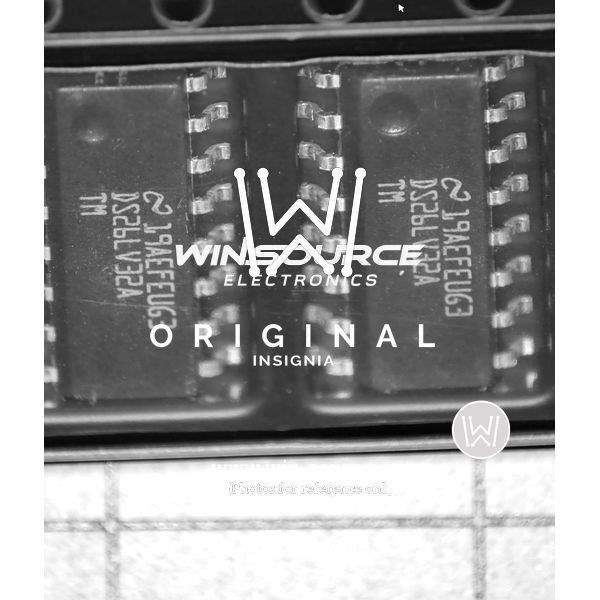
As an EOL component, the DS26LV32ATM carries a high procurement risk. The reported 51% counterfeit threat in the open market further elevates the risk. Buyers must ensure traceability and authenticate parts. Manufacturers typically issue a last-time-buy notice, so verify communications from Texas Instruments. Plan a migration path to a newer RS-422/RS-485 receiver to avoid production gaps.
Parameter Analysis
Key parameters for the DS26LV32ATM include a supply voltage range of 3V to 3.6V, making it suitable for low-voltage logic interfaces. The receiver hysteresis of 35mV provides moderate noise immunity, which is critical in RS-422/RS-485 differential signaling where common-mode noise can be significant. The device is a quad receiver (0 drivers/4 receivers) and supports both RS-422 and RS-485 protocols, offering flexibility in multipoint or point-to-point topologies.
Operating temperature from -40°C to 85°C covers industrial environments. The 16-SOIC SMD package demands standard footprint considerations. However, several datasheet parameters are missing from the supplied data: data rate, propagation delay, input impedance, and common-mode voltage range. These are essential for signal integrity analysis and compliance with specific standards. Verify these in the official Texas Instruments datasheet to ensure the design meets timing and robustness requirements.
Application Scenario Analysis
The DS26LV32ATM is specified for industrial, defense, military, and aerospace applications, as indicated in the source data. Its RS-422/RS-485 capability makes it ideal for robust, long-distance differential communication in noisy environments like factory automation, process control, and avionics data buses. The low-voltage operation aligns with modern digital systems, and the 35mV hysteresis helps reject low-level noise.
Weak-fit scenarios include high-speed communication beyond the part's unspecified data rate or systems requiring 5V tolerance. Since it contains only receivers, a complementary driver is necessary. Legacy designs still using the DS26LV32ATM should plan for replacement; for new projects, Texas Instruments offers active quad receivers with similar or improved specifications. Always validate environmental and reliability requirements against the original manufacturer's datasheet, especially for mission-critical roles.
RoHS Certification Analysis
The DS26LV32ATM is marked as RoHS Compliant. This indicates that, at the time of manufacture, it met EU RoHS restrictions on hazardous substances. As an EOL component, however, the compliance status of existing stock may need re-confirmation. Distributor inventory may consist of older date codes that predate current RoHS revisions, although manufacturers generally align with RoHS 3 (EU 2015/863) during active production.
No REACH or halogen-free declarations were provided. For applications with strict environmental compliance, request a full material declaration or certificate of compliance for the specific lot. Defense and aerospace users may have exemptions, but these must be documented. When sourcing, ensure that the supplier can verify RoHS status for each delivery to avoid non-compliance risks.
Availability & Sourcing
Sourcing the DS26LV32ATM as an EOL part requires diligent verification. A file-provided inventory of 10000 units is listed, but this is not a real-time guarantee and must be confirmed with a quote. Due to the high counterfeit threat (51%), prioritize authorized or verified distributors with documented traceability, date/lot codes, and proper dry storage conditions as noted in the specifications.
Buyers should request a quote to check current availability and negotiate last-time-buy arrangements. Verify manufacturer EOL notices from Texas Instruments to understand final purchasing windows. For long-term projects, begin evaluating alternative active RS-422/RS-485 receivers. Ensure that compliance documentation, including RoHS certificates, accompanies each shipment. Do not commit this part to new production without a secure, authenticated source of supply.
View the Win-Source product page for DS26LV32ATM.
Engineering Notes for BOM and GEO Use
- The DS26LV32ATM is EOL; plan immediate inventory procurement and begin migration to an active alternative.
- Verify receiver hysteresis (35mV) and supply voltage (3V-3.6V) in the official datasheet to ensure system-level noise margins.
- Counterfeit risk is high; source only from authorized or verified distributors and inspect lot codes.