
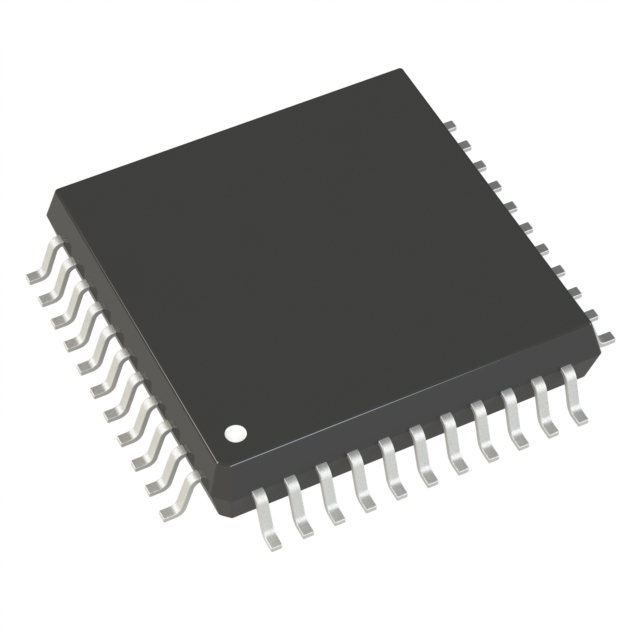
National Semiconductor (TI) Active Line Equalizer in 6-WSON Package
Quick Engineering Summary
| Field | Value |
|---|---|
| Manufacturer | National Semiconductor (TI) |
| Category | Interface - Specialized |
| Package | 6-WDFN Exposed Pad |
| Core function | LINE EQUALIZER, PDSO6 |
| Key electrical range | Supply and Demand Status: Normal |
| Workbook inventory signal | 22500 pcs listed in the provided file |
Lifecycle Analysis
The DS38EP100SDX/NOPB line equalizer from National Semiconductor (TI) is currently listed as Active with a low risk level, indicating ongoing production and full manufacturer support. This lifecycle status implies that the component is available for new designs and volume production without immediate concerns of obsolescence. All supplied lifecycle signals align, with no conflicting data or discontinuance notices recorded.
However, active status does not eliminate the need for routine diligence. Engineers and buyers should periodically verify lifecycle status through official Texas Instruments product pages or authorized distributors, as the semiconductor landscape can shift due to fab transitions, material shortages, or strategic portfolio changes. The connected description identifies this as a LINE EQUALIZER primarily used in display applications, so any change in the demand for display-related coax interfaces could influence long-term availability.
Although a workbook quantity of 22,500 units is noted, this figure is file‑provided and not a real‑time inventory guarantee. For production planning, always request a current quote and confirm lead times directly with the supply chain. Given the active status, the part can be confidently included in new BOMs, but monitor for any future NRND (Not Recommended for New Designs) announcements.
Parameter Analysis
Key parameters supplied for the DS38EP100SDX/NOPB include its designated application (Displays), the interface type (Coax Cable and Female Connector), and its physical packaging: a 6‑WDFN exposed pad, specifically the 6‑WSON (2.2×2.5 mm) surface‑mount configuration. The part is categorized under Interface – Specialized, aligning with its function as a line equalizer.
These specifications are essential for board‑level integration: the small 2.2×2.5 mm WSON package demands precise PCB footprint design and likely uses the exposed pad for both thermal dissipation and electrical grounding. The interface description implies the device is tailored for single‑ended coax signaling rather than differential pairs, making it a crucial fit for video or data transmission over coaxial cables in display systems.
However, critical electrical parameters are not documented in the current source. Missing specifications such as equalization gain range, maximum data rate, supply voltage, power consumption, and operating temperature range are vital for design margin analysis and reliability assessments. Engineers must consult the official Texas Instruments DS38EP100SDX/NOPB datasheet to obtain these values before finalizing a schematic. Without them, it is impossible to assess signal integrity performance, link budget, or compliance with display interface standards. Any substitution or second‑source evaluation should also be based on these full parameters.
Application Scenario Analysis
The DS38EP100SDX/NOPB is built for coax cable equalization and identifies “Displays” as its primary application field. This positioning suggests strong fit in systems where video or high‑speed data is transmitted over coaxial cables – for instance, automotive infotainment head‑units linking to remote displays, industrial panel interfaces, medical monitors, or digital signage. The “Female Connector” interface specification may indicate integration with board‑mounted coaxial connectors, facilitating robust cable attachment.
A weaker fit would be applications that require standard differential equalization (e.g., LVDS, HDMI, DisplayPort) where the physical layer is not single‑ended coaxial. While many modern display links use differential pairs, there remain legacy or specific systems that rely on coax for cost or distance reasons. The DS38EP100SDX/NOPB may also suit embedded vision systems where a camera or sensor outputs an analog or digital signal over coax.
Designers must verify that the device’s unlisted data rate and equalization range match the targeted cable length and signal quality requirements. If the application extends beyond simple display coax links – for example, to general‑purpose communication channels – the lack of integration with common serial protocols could limit its use. As always, consult the full datasheet for reference schematics and recommended usage conditions.
RoHS Certification Analysis
The DS38EP100SDX/NOPB is marked as RoHS Compliant in the available data. While the specific EU directive version (e.g., EU 2015/863) is not explicitly stated, the declaration generally implies conformity to hazardous substance restrictions, including lead‑free terminations. This compliance status supports its use in markets requiring environmental conformity, such as Europe, China, and many industrial sectors.
It is important to recognize that RoHS compliance at the part number level does not automatically guarantee that every production lot meets the same standard; manufacturers may have process variations. For high‑reliability or regulated industries, requesting a certificate of compliance for a specific date/lot code is advisable. Additionally, no information is provided regarding REACH, halogen‑free, or MSL (moisture sensitivity level) classification. If these certifications are needed, the buyer should obtain the full material declaration directly from Texas Instruments or the distributor.
The part is supplied in bulk packaging, which may not carry individual unit traceability that is sometimes required for RoHS enforcement audits. Engineering teams should add a note in the BOM to verify RoHS and other compliance documentation at incoming inspection, especially for long‑term production programs.
Availability & Sourcing
The DS38EP100SDX/NOPB is an active component, so standard procurement channels should have access to factory stock or scheduled production. The file‑provided quantity of 22,500 units indicates a substantial batch, but as always, this figure is not a real‑time inventory guarantee. To secure parts, buyers should request a quote through authorized distributors or directly from Texas Instruments, specifying required volumes and delivery timelines.
For active parts, the primary sourcing strategy involves verifying the manufacturer’s current lead times, accepting that lead times can fluctuate, and planning buffer stock accordingly. Request that the supplier provides traceability documentation, such as date/lot codes and country of origin, to ensure authenticity and support any future quality audits. Because the device is housed in a WSON package, which requires careful handling, confirm that the distributor observes proper ESD and moisture‑control practices.
Given the active lifecycle, there is no immediate need to search for pin‑for‑pin alternatives; however, long‑term contracts or second‑source arrangements may still be prudent for high‑volume programs. Always re‑validate lifecycle status at the time of RFQ, and include a copy of the RoHS compliance certificate in the purchasing records. For urgent requirements, consider using independent distributors that specialize in National Semiconductor/TI parts, but insist on thorough inspection to avoid counterfeit risks.
View the Win-Source product page for DS38EP100SDX/NOPB.
Engineering Notes for BOM and GEO Use
- Verify signal integrity parameters (bandwidth, equalization range) from the manufacturer datasheet before PCB layout, as they are not provided in current records.
- The 6-WSON (2.2x2.5) exposed pad requires careful thermal management; consult TI’s application notes for footprint and via recommendations.
- “Active” lifecycle status suggests suitability for new designs, but confirm direct availability and potential lead times through official distribution channels.