
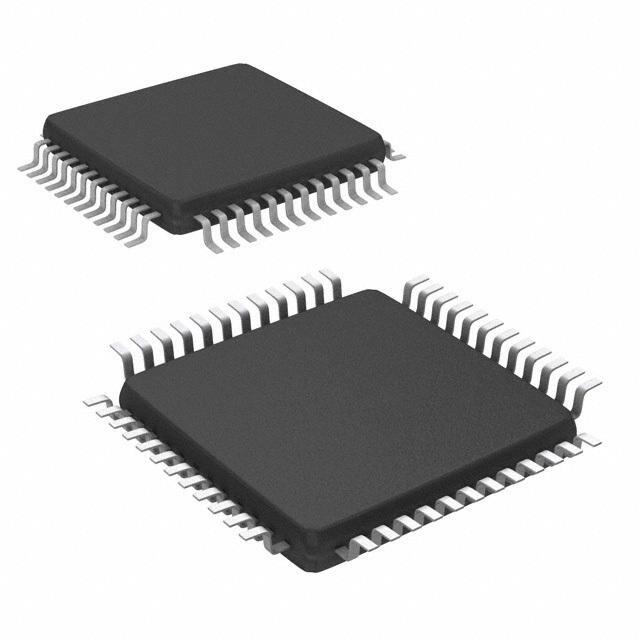
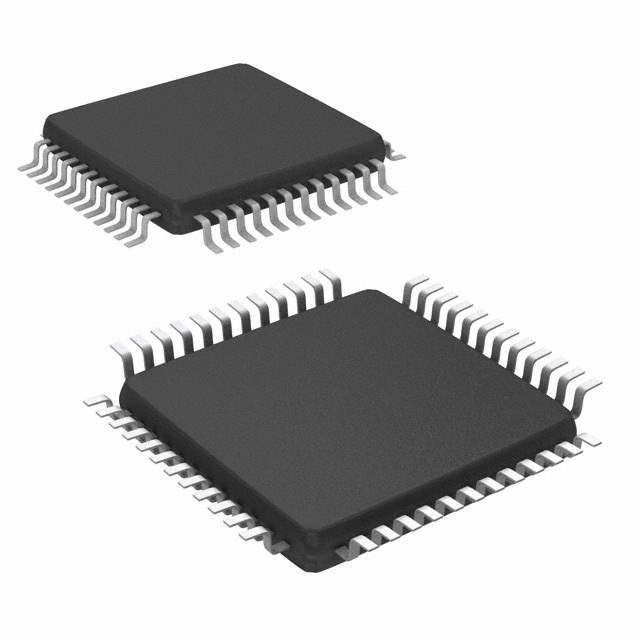
Texas Instruments Automotive FPD-Link Serializer – 24‑bit, 1.03 Gbps, 48‑TQFP
Quick Engineering Summary
| Field | Value |
|---|---|
| Manufacturer | Texas Instruments |
| Category | Interface - Serializers, Deserializers |
| Package | 48-TQFP (7x7) |
| Core function | IC SER/DESER 5-43MHZ 24B 48-TQFP |
| Key electrical range | Input Type: LVCMOS; Number of Inputs: 24; Number of Outputs: 1; Output Type: FPD-Link, LVDS |
| Workbook inventory signal | 2770 pcs listed in the provided file |
Lifecycle Analysis
The DS90UR241QVS/NOPB is listed as Active by Texas Instruments, with all available lifecycle signals aligning. An Active status means the part is in full production and can be designed into new systems without near-term obsolescence risk. It is also suitable for sustaining production in existing platforms.
File-provided inventory shows a quantity of 2770 units, but this is not a real-time stock indication. Buyers should confirm current availability when placing orders. While the lifecycle appears stable, always verify the most recent status on the manufacturer’s official product page, especially before committing to high-volume automotive programs where product change notifications (PCNs) must be tracked.
No conflicts are present in the supplied data. For qualification, standard lifecycle monitoring practices such as subscribing to TI’s PCN alerts are recommended.
Parameter Analysis
The DS90UR241QVS/NOPB is a serializer that accepts 24 parallel LVCMOS inputs and converts them to a single serialized FPD‑Link or LVDS output. The supported pixel clock range of 5 MHz to 43 MHz provides flexibility for various video resolutions, while the 1.03 Gbps aggregate data rate ensures sufficient throughput for high‑quality automotive camera streams.
Supply voltage of 3 V to 3.6 V matches typical automotive regulated rails, and the -40°C to +105°C operating temperature suits harsh under‑hood or exterior camera environments. The 48‑pin TQFP package (7 mm × 7 mm) is compact enough for space‑constrained modules but requires proper thermal management if power dissipation is significant.
Important parameters not present in the provided data include typical current consumption, output jitter specifications, and ESD ratings. For a robust design, verify minimum/maximum input setup and hold times, PLL lock range, and recommended termination from the Texas Instruments datasheet. Also confirm compatibility with the target deserializer regarding equalization and cable drive capability.
Application Scenario Analysis
With AEC‑Q100 qualification and an extended temperature range, the DS90UR241QVS/NOPB is primarily intended for automotive applications. Strong‑fit scenarios include transmitting uncompressed video from CMOS image sensors in ADAS forward‑looking cameras, rearview cameras, and 360° surround‑view systems. Its FPD‑Link output reduces wiring harness weight and cost by using a single twisted‑pair cable to transport parallel video data and bidirectional control signals over long distances.
It also fits automotive infotainment display links where a host processor sends RGB data to a remote display module. In each case, the device simplifies ECU layout by minimizing the number of PCB traces between the image sensor and the serializer.
For industrial machine vision or medical imaging, the device can be used if the automotive qualification is not a cost or certification hurdle. However, absence of explicit medical or industrial certifications should be verified. Always evaluate whether the serializer’s embedded control channel and data rate meet the specific video format and frame rate requirements of the non‑automotive system.
RoHS Certification Analysis
The DS90UR241QVS/NOPB is marked as RoHS Compliant in the supplied data. The NOPB suffix explicitly indicates a nickel‑palladium‑gold lead‑free finish, confirming the absence of intentionally added lead. This is consistent with the original Texas Instruments’ lead‑free ‘G4’/’NOPB’ labeling.
While the exact RoHS directive version is not stated, active products from Texas Instruments typically comply with the current RoHS 3 directive (EU 2015/863), which restricts 10 substances. No exemptions are identified in the available information. For automotive use under the EU End‑of‑Life Vehicles (ELV) directive, the part’s RoHS compliance generally covers heavy‑metal requirements, but procurement should still verify per‑lot material declarations.
If REACH, halogen‑free, or other substance declarations are needed for a specific customer or region, those must be requested separately from the manufacturer or authorized distributor. Lot‑level compliance certificates should be obtained to support PPAP and incoming quality control.
Availability & Sourcing
The DS90UR241QVS/NOPB is an Active device, so it can be purchased through Texas Instruments’ authorized distribution network. The file‑provided inventory quantity of 2770 units is a snapshot, not a live stock level; actual availability must be confirmed via a request for quote. The reported supply‑and‑demand status is ‘Limited’, which may cause intermittent allocation.
Given a 39 % open‑market counterfeit risk, it is critical to source only from authorized channels and to implement incoming inspection procedures such as verifying date/lot codes and Texas Instruments’ authentic labeling. Request full traceability documentation and RoHS compliance certificates with each shipment.
For new designs, obtain a current lead time and a formal lifecycle confirmation. For NRND or later lifecycle transitions, secure sufficient inventory to cover forecasted production and begin evaluating migration paths. Always validate the most up‑to‑date part status on the manufacturer’s site before placing large orders.
View the Win-Source product page for DS90UR241QVS/NOPB.
Engineering Notes for BOM and GEO Use
- Source only through authorized TI distributors to mitigate 39% counterfeit risk.
- Verify serializer‑deserializer pairing, PLL bandwidth, and cabling requirements from the full datasheet.
- Request AEC‑Q100 qualification report and RoHS compliance certificate for PPAP documentation.