
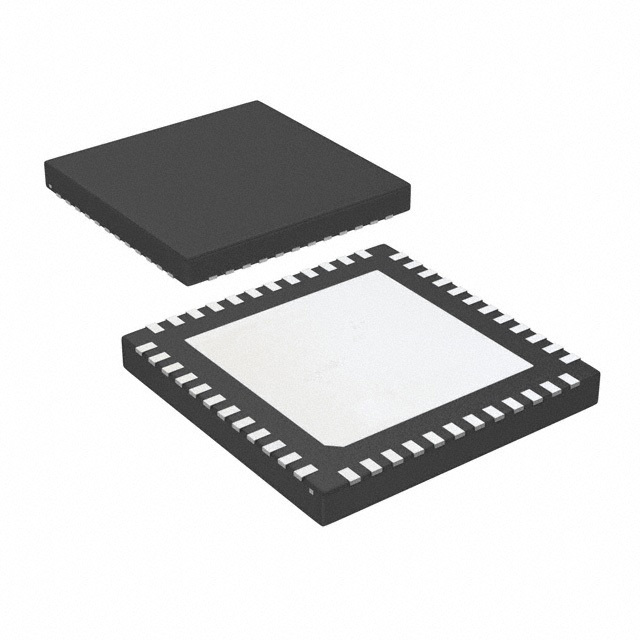
Texas Instruments FPD-Link II Deserializer – Discontinued
Quick Engineering Summary
| Field | Value |
|---|---|
| Manufacturer | Texas Instruments |
| Category | Interface - Serializers, Deserializers |
| Package | 48-TQFP |
| Core function | IC DESERIALIZ 40MHZ 24BIT 48TQFP |
| Key electrical range | Input Type: FPD-Link II, LVDS; Number of Inputs: 1; Number of Outputs: 24; Output Type: LVCMOS |
| Workbook inventory signal | 60 pcs listed in the provided file |
Lifecycle Analysis
The DS99R104TVS/NOPB from Texas Instruments is officially Discontinued. This means it is no longer manufactured, and available stock is limited to remaining inventory. Engineers should not design this part into new products. Sustaining production lines may still use existing stock, but long-term availability is uncertain.
Conflicting lifecycle signals appear in the record: both EOL and Discontinued are indicated, which reinforces the high risk. The file-provided quantity of 60 units is a snapshot and not guaranteed real-time. For any planned procurement, direct verification with the manufacturer or authorized distributors is essential.
Parameter Analysis
The DS99R104TVS/NOPB is a deserializer that converts FPD-Link II or LVDS serial input to 24-bit parallel LVCMOS output at up to 960Mbps. This data rate supports high-resolution video links. The 3V to 3.6V supply and -40°C to 85°C operating temperature range fit many embedded and automotive requirements. The surface-mount 48-TQFP (7x7 mm) package aids compact PCB design.
However, critical parameters such as power dissipation, jitter tolerance, ESD rating, and MSL are not provided in the available data; these must be confirmed from the original Texas Instruments datasheet before integration. Verify also the required input termination and output drive strength for your specific layout.
Application Scenario Analysis
The DS99R104TVS/NOPB is typically used in FPD-Link II video links, common in automotive infotainment, center stack displays, instrument clusters, and industrial HMI panels. Its 24-bit LVCMOS output pairs well with LCD timing controllers. This part is a strong fit for legacy designs that already use the FPD-Link II deserializer ecosystem.
However, it is a weak fit for new designs due to its discontinued status, and for applications requiring data rates above 960Mbps or long-distance transmission beyond standard FPD-Link II limits. Engineers should verify signal integrity and noise margins in their specific environment.
RoHS Certification Analysis
The DS99R104TVS/NOPB is listed as RoHS Compliant, indicating it meets EU restrictions on hazardous substances. No specific exemption details are noted in the supplied data. For full compliance documentation, request the manufacturer's certificate of conformance for the specific lot.
REACH compliance status is not provided in the available information. Because compliance can vary by production lot, verify the RoHS status directly with Texas Instruments or your distributor before finalizing procurement.
Availability & Sourcing
As a discontinued part, sourcing the DS99R104TVS/NOPB requires careful attention. The file indicates a stock quantity of 60 units, but this is not guaranteed real-time inventory. Potential buyers should request a quote to confirm current availability, date codes, and packaging (tray). Traceability and authenticity are critical when purchasing from non-authorized channels.
Given the high lifecycle risk, we recommend verifying the manufacturer's discontinuation notice and evaluating migration to an active alternative from the Texas Instruments FPD-Link portfolio. Secure existing inventory only for bridge buys or last-time-buy requirements.
View the Win-Source product page for DS99R104TVS/NOPB.
Engineering Notes for BOM and GEO Use
- Confirm remaining stock authenticity and date codes when sourcing discontinued DS99R104TVS/NOPB parts.
- Begin migration to an active Texas Instruments FPD-Link deserializer for all new designs.
- Obtain the original datasheet to verify jitter, power, and MSL before PCB integration.