
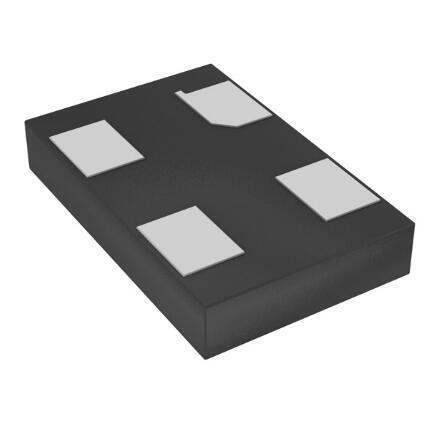
Verify lifecycle and specs for the DSC1001BI2-099.0000T oscillator; request quote before design.
Quick Engineering Summary
| Field | Value |
|---|---|
| Manufacturer | Microchip Technology |
| Category | Oscillators |
| Package | Not available in supplied data |
| Core function | MEMS OSC LP 99MHZ LVCMOS -40C-85 |
| Key electrical range | Frequency: 1607 Hz ~ 1685 MHz; Frequency Stability: ±20ppm @ 25°C; Operating Temperature: -40°C ~ 85°C; Voltage - Supply: 3V |
| Workbook inventory signal | 1 pcs listed in the provided file |
Lifecycle Analysis
The DSC1001BI2-099.0000T shows conflicting lifecycle information. The primary lifecycle property lists the part as Active, and the Excel inventory row also indicates Active status. However, the Part Status field in the specifications table reports Obsolete. This discrepancy creates uncertainty for new designs. For production programs, treat the component as Unknown lifecycle until Microchip Technology provides a confirmed PCN or product status letter. File-provided inventory shows a single unit, but this is not a guarantee of real-time market availability. Engineers should evaluate migration paths if the part is indeed nearing discontinuation. For sustaining builds, secure supply early and monitor distributor notifications.
Parameter Analysis
Key parameters for the DSC1001BI2-099.0000T include a nominal frequency of 99 MHz, LVCMOS output, and an operating temperature range of -40°C to 85°C. The datasheet suggests supply voltage from 1.7 V to 3.6 V, though one source lists 3 V nominal. Frequency stability is reported as ±20 ppm at 25°C, but an alternate source indicates ±25 ppm so exact tolerance should be verified against the official Microchip datasheet. The device uses a standard 4-VDFN (5 x 3.2 mm) surface-mount package with a low profile, important for space-constrained designs. The function is nonprogrammable with a standby feature, supporting power-sensitive applications. Critical missing parameters include phase jitter, rise/fall times, supply current at different frequencies, and long-term aging characteristics. Designers should obtain the full datasheet to confirm these values and ensure the oscillator meets system timing budgets and power constraints.
Application Scenario Analysis
This MEMS oscillator targets general-purpose clocking in consumer electronics, IoT edge devices, industrial automation, and networking equipment where a 99 MHz reference with moderate stability is sufficient. The LVCMOS output interfaces directly with most microcontrollers and FPGAs. The low-power standby mode makes it suitable for battery-operated devices. However, without confirmed phase-noise data, the part may not be ideal for high-speed serial links or sensitive RF applications. The wide temperature range supports industrial environments, but lifecycle uncertainty limits its viability for new product introductions. For replacement or repair of existing systems, the DSC1001BI2-099.0000T may still be sourced, but alternative oscillators with similar footprint and specifications should be evaluated for long-term availability.
RoHS Certification Analysis
The part is marked RoHS Compliant, indicating compliance with EU restrictions on hazardous substances. No specific RoHS directive version (e.g., 2011/65/EU or 2015/863) is provided, so buyers should request the declaration for the purchased lot. RoHS compliance does not automatically guarantee REACH or halogen-free status, which may be needed for certain markets. Since the part may be obsolete, it is especially important to obtain up-to-date compliance certificates to avoid regulatory risks. Ask suppliers for a full materials declaration before ordering.
Availability & Sourcing
File-based data shows a single unit of DSC1001BI2-099.0000T, but real-time inventory must be confirmed via quote. The conflicting lifecycle signals mean procurement should proceed cautiously. Request a current manufacturer COC and verify date/lot codes to avoid counterfeit or re-marked parts. For production orders, secure inventory only after direct lifecycle confirmation from Microchip. If the part is indeed obsolete, focus on authorized distributors with traceable stock. Always include compliance documentation in the RFQ to ensure RoHS and other requirements are met. Engineers should evaluate form-fit-function replacements if ongoing production depends on this component.
View the Win-Source product page for DSC1001BI2-099.0000T.
Engineering Notes for BOM and GEO Use
- Verify lifecycle and part status with Microchip before design-in.
- Cross-check critical specifications such as frequency stability, supply voltage, and package dimensions against the official datasheet.
- Request full compliance documentation and lot traceability at the quoting stage.