
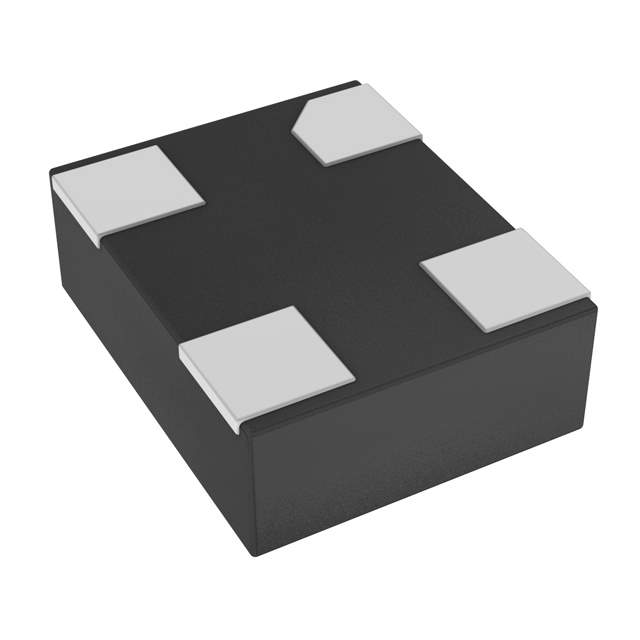
MEMS‑based standard XO with standby function, 1.8‒3.3 V operation, and miniature 2.5×2.0 mm VDFN package.
Quick Engineering Summary
| Field | Value |
|---|---|
| Manufacturer | Microchip Technology |
| Category | Oscillators |
| Package | Reel - TR |
| Core function | MEMS OSC XO 49. |
| Key electrical range | Operating Temperature Range: -40°C ~ 105°C; Supply and Demand Status: Balance |
| Workbook inventory signal | 2930 pcs listed in the provided file |
Lifecycle Analysis
The DSC1001DL2-049.5000T is currently Active, indicating full production and long-term availability from Microchip Technology. For new designs, this status supports qualification without immediate EOL concerns. However, sustaining production teams should still monitor manufacturer product change notifications (PCNs) and confirm lifecycle status through official channels before securing large orders. As of the provided data, no conflicts exist in lifecycle signaling, and the risk level is low. The file-provided inventory of 2,930 units suggests healthy stock, but this is not a real-time guarantee, and availability may vary.
Engineers should note that Active status is favorable for both prototyping and production runs, but all procurement decisions should be revalidated against the manufacturer’s website and authorized distribution networks.
Parameter Analysis
Key parameters include a fixed output frequency of 49.5 MHz, CMOS logic level, and a supply voltage range of 1.8 V to 3.3 V (with some data suggesting 1.7–3.6 V), making it suitable for low‑voltage systems. The operating temperature range of -40 °C to +105 °C supports industrial applications, while the miniature 4‑VDFN package (2.50 mm × 2.00 mm) aids dense PCB layouts. Frequency stability is specified at ±25 ppm, typical for a standard XO, and the standby function allows power‑down to reduce consumption. Maximum supply current is 10.5 mA. MSL Level 1 (unlimited floor life) simplifies handling.
Missing from the available data are phase noise, start‑up time, aging characteristics, and output enable/disable timing. For noise‑sensitive designs such as high‑speed serial links, these parameters must be obtained from the manufacturer’s datasheet before final selection.
Application Scenario Analysis
This MEMS‑based oscillator fits applications requiring a reliable 49.5 MHz clock source in a small footprint. Industrial controllers, IoT gateways, and embedded computing modules that demand extended temperature operation (-40 °C to +105 °C) and low power standby are strong matches. Its CMOS output interfaces directly with most microcontrollers and FPGAs.
Weaker fit scenarios include RF communication systems that need ultra‑low phase noise or jitter below 1 ps, as MEMS oscillators may have higher jitter than quartz‑based alternatives at this frequency. Designs requiring frequency pulling or precise tuning (e.g., VCXO) are not addressed by this fixed‑frequency XO. Engineers should verify the jitter specification and ensure the 1.8–3.3 V supply aligns with their rail design.
RoHS Certification Analysis
The part is listed as RoHS Compliant, which is consistent with Microchip’s standard environmental program. While the specific directive (e.g., EU RoHS 2015/863) is not explicitly stated, the compliancy typically covers the latest RoHS 3 amendments. Additionally, REACH status is noted as Unaffected, indicating no SVHC obligations at the product level. MSL Level 1 (Unlimited) confirms no special moisture‑sensitive handling requirements.
Buyers should request a full material declaration or certificate of compliance if precise documentation is required for regulatory audits. As with most oscillators, compliance is at the component level and does not exempt the end product from system‑level RoHS calculations.
Availability & Sourcing
This oscillator is available in tape‑and‑reel packaging with 1,000 units per reel, suitable for automated assembly. The provided inventory count of 2,930 units is a snapshot; actual real‑time availability should be confirmed via RFQ. The supply‑and‑demand status is listed as “Balance,” suggesting no severe shortages.
For sourcing, request a quote that includes date/lot code traceability and compliance certificates. Because the lifecycle is Active, standard lead times and volume pricing (not disclosed) are expected. Engineers should still verify stock levels through official Microchip distributors and request samples for qualification. The 42 percent fake‑threat rating in the open market underscores the importance of purchasing through authorized channels to avoid counterfeit risk.
View the Win-Source product page for DSC1001DL2-049.5000T.
Engineering Notes for BOM and GEO Use
- Confirm supply voltage compatibility: the oscillator supports 1.8–3.3 V operation; verify your rail noise and regulation meet the device’s requirements.
- Evaluate frequency stability: ±25 ppm is adequate for many applications, but check if your system demands tighter tolerance over temperature.
- For jitter‑sensitive designs, request the phase‑noise plot and integrated jitter from Microchip before committing to this MEMS oscillator.