
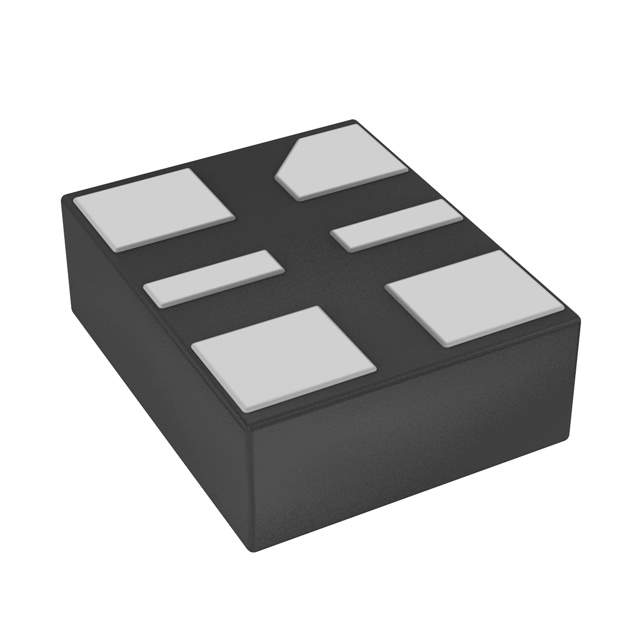
AEC-Q100 148.5 MHz LVDS MEMS Oscillator with Enable/Disable
Quick Engineering Summary
| Field | Value |
|---|---|
| Manufacturer | Microchip Technology |
| Category | Oscillators |
| Package | Tube |
| Core function | MEMS OSC XO 148. |
| Key electrical range | Current - Supply (Disable) (Max): 22mA; Current - Supply (Max): 32mA; Frequency: 148.5 MHz; Frequency Stability: ±25ppm |
| Workbook inventory signal | 1 pcs listed in the provided file |
Lifecycle Analysis
The DSC1123DI2-148.5000 from Microchip Technology is currently Active, indicating full production and manufacturer support. This status permits risk-free integration into both new designs and ongoing production runs. No lifecycle conflicts appear in the supplied data; all signals align on Active.
For design-in, always revalidate lifecycle status through Microchip’s official portal or authorized distributors, especially when planning long-term production. While the file indicates one unit in inventory, that snapshot is not real-time and should not be used to gauge market availability.
Engineers should monitor any future EOL or NRND notifications and evaluate second-source strategies as a contingency, even for low-risk active components.
Parameter Analysis
Key parameters for the DSC1123DI2-148.5000 include its 148.5 MHz LVDS output, ±25 ppm frequency stability, 2.25 V to 3.63 V supply range, and -40 °C to +85 °C operating temperature. The LVDS differential output ensures low jitter and high noise immunity for high-speed data paths, while the tight stability over industrial temperature makes it suitable for precision timing.
The 32 mA maximum supply current should be accounted for in power budgets, and the 6‑SMD no‑lead package demands proper PCB layout for signal integrity. The AEC‑Q100 rating suggests robust design, but engineers must verify the exact qualification grade (e.g., Grade 1 or 2) in the full datasheet.
Missing from the provided data are phase noise, integrated jitter, rise/fall times, and startup behavior—all critical for clock tree analysis. Request these from the manufacturer before finalizing designs for high‑speed SerDes or FPGA interfaces.
Application Scenario Analysis
The DSC1123DI2-148.5000 is a strong fit for applications demanding a 148.5 MHz LVDS reference clock with industrial temperature range and automotive-grade reliability. Typical use cases include high-speed networking (Ethernet, Fibre Channel), telecom base stations, video broadcast equipment, and automotive infotainment or ADAS modules requiring AEC‑Q100 compliance.
It can also serve in FPGA/SoC clocking, test and measurement instrumentation, and any digital system needing a low‑jitter differential oscillator. The enable/disable function aids in power‑saving modes.
Weak‑fit scenarios include battery‑operated ultra‑low‑power devices (due to 32 mA consumption), or designs requiring single‑ended CMOS/TTL output. For applications below 100 MHz, the device may be over‑specified. Verify phase noise requirements align with your application’s jitter budget.
RoHS Certification Analysis
The DSC1123DI2-148.5000 is declared RoHS Compliant, which typically aligns with RoHS 3 (EU 2015/863) restricting lead, mercury, cadmium, and other hazardous substances. The provided data also shows REACH Unaffected status and MSL Level 1 (unlimited floor life).
However, the RoHS status is a general declaration; lot‑level variations in manufacturing processes or raw materials can occur. For production‑scale sourcing, request a certificate of compliance or a full material declaration from Microchip or your distributor to satisfy auditing requirements.
No specific exemptions are noted in the supplied data. If the end product must meet additional environmental standards (e.g., China RoHS, J‑GPSSI), confirm those separately with the manufacturer.
Availability & Sourcing
While the DSC1123DI2-148.5000 is an Active Microchip part, file‑provided inventory indicates only one unit—this is not a live inventory promise. To secure production quantities, submit an RFQ through authorized distribution channels and request real‑time stock levels and lead times.
The component is supplied in tube packaging with a standard package of 140 units. Due to a 30 pct. fake threat indicator in the open market, rigorous traceability is essential. Insist on date/lot codes, OEM‑authorized packaging, and, if necessary, independent testing to confirm authenticity.
For the Active lifecycle, a typical sourcing workflow includes requesting a quote, verifying lifecycle documentation, and obtaining compliance certificates. Always confirm current parametric values against the datasheet to avoid sourcing a factory variant.
View the Win-Source product page for DSC1123DI2-148.5000.
Engineering Notes for BOM and GEO Use
- Verify phase noise, jitter, and startup time in the full Microchip datasheet before finalizing clock tree design.
- The AEC-Q100 rating demands confirmation of the specific temperature grade and qualification report for automotive safety applications.
- Given the 30 pct. fake threat indicator, insist on traceable date/lot codes and test reports when sourcing from non-authorized channels.