
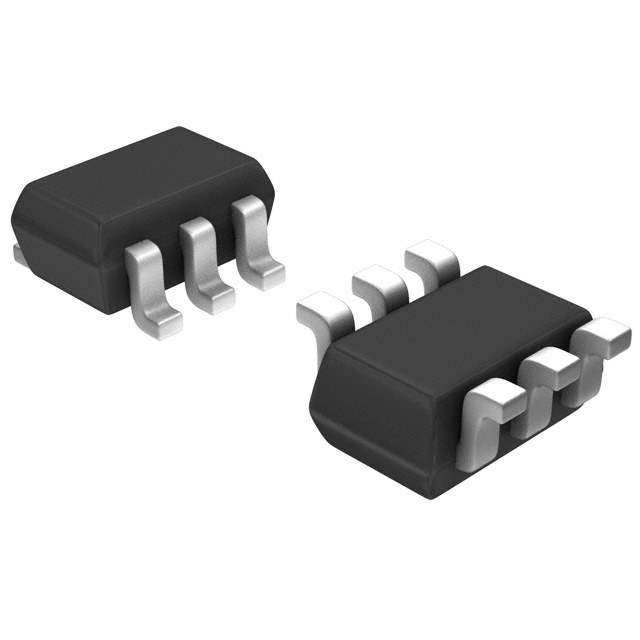
NPN BJT, 100V, 1A, SOT-363 – lifecycle, parameters, and sourcing guidance.
Quick Engineering Summary
| Field | Value |
|---|---|
| Manufacturer | Diodes Incorporated |
| Category | Transistors (BJT) - Single |
| Package | SOT-363 |
| Core function | TRANS NPN 100V 1A SOT-363 |
| Key electrical range | Collector Cut-off Current(Max): 100nA (ICBO); Frequency - Transition: 100MHz; Maximum Current Collector: 1A; Maximum Power Dissipation: 625mW |
| Workbook inventory signal | 4860 pcs listed in the provided file |
Lifecycle Analysis
The DSS8110Y-7 from Diodes Incorporated carries an Active lifecycle status, indicating that the part is in full production and supported by the manufacturer. This status typically means that no discontinuation notices have been issued and that the component is considered suitable for both new designs and ongoing production. For engineers incorporating the DSS8110Y-7 into new designs, this reduces the risk of premature obsolescence and ensures a stable supply base.
All available signals from the supplied data align on the Active classification, with no conflicts or mixed statuses. However, lifecycle designations can change over time due to market conditions or shifts in manufacturer strategy, so procurement teams should re‑validate the status through official Diodes Incorporated product pages or authorized distribution channels before locking in a BOM. The file‑reported inventory quantity of 4860 units is a static snapshot and does not guarantee real‑time availability; actual stock may vary.
Parameter Analysis
The DSS8110Y-7 is a silicon NPN bipolar transistor with a maximum collector‑emitter voltage (VCEO) of 100V and a continuous collector current rating of 1A, making it suitable for medium‑voltage, low‑power switching and linear drive applications. Its DC current gain (hFE) is specified at a minimum of 100 under test conditions of 500mA collector current and 10V collector‑emitter voltage, which provides good drive capability from logic‑level signals. The low collector‑emitter saturation voltage of 200mV at 100mA/1A helps minimize power loss in saturated switching.
The device’s maximum power dissipation of 625mW at standard ambient conditions requires attention to thermal management, especially in compact SOT‑363 layouts where PCB copper area is limited. The 100MHz transition frequency indicates adequate bandwidth for sub‑100kHz switching and audio amplification but does not support high‑speed or RF designs. Critical missing parameters that should be verified from the full manufacturer datasheet include maximum base current limits, safe operating area (SOA) curves, and junction‑to‑ambient thermal resistance (θJA) to ensure derating margins are respected.
Application Scenario Analysis
The DSS8110Y-7 fits well in low‑power general‑purpose switching circuits where a 100V rating provides headroom for industrial or automotive 12V/24V systems driving relays, solenoids, or small motors. Its SOT‑363 surface‑mount package suits space‑constrained designs such as portable instruments, sensor nodes, and gate‑drive buffers where a small footprint is critical. The NPN polarity and typical gain make it a straightforward choice for low‑side switches and linear regulators.
Weak‑fit scenarios include high‑frequency amplification above 30MHz or power‑converter stages where continuous currents approach 1A with high duty cycles; the 625mW power limit and small package can lead to excessive junction temperatures without adequate heat sinking. The part is not intended for RF power, high‑reliability space, or medical applications without additional qualification, as no extended temperature beyond ‑55°C to +150°C TJ is specified. For designs requiring higher current or lower saturation, alternative parts in larger packages may be more appropriate.
RoHS Certification Analysis
According to the supplied data, the DSS8110Y-7 is classified as RoHS Compliant. This designation generally means the component meets the restrictions on hazardous substances as outlined in EU Directive 2011/65/EU and its amendments, including lead‑free soldering compatibility. No specific exemption list is provided in the available records, so it is assumed that the part does not require any exemptions or that standard exemptions apply to the silicon die and package.
While the RoHS status appears straightforward, buyers should note that compliance is often declared at the family or date‑code level. For critical applications or when entering regulated markets, obtain a full material declaration or certificate of compliance from the authorized distributor for the specific lot to be procured. The datasheet may also mention REACH or MSL information, which is not included here and should be verified if required.
Availability & Sourcing
The DSS8110Y-7 is an active part from Diodes Incorporated, and sourcing through authorized channels is recommended to avoid counterfeit devices. The file shows a static quantity of 4860 units, but real‑time stock levels must be confirmed by requesting a quote through your preferred distributor. Standard packaging is tape and reel, which supports automated pick‑and‑place assembly for volume production.
Given the open‑market fake threat indicator of 58%, traceability measures such as date/lot‑code certification, manufacturer original packaging, and chain‑of‑custody documentation should be requested with every order. For build planning, verify the exact reel quantity, lead time, and any minimum order quantities. As this part is Active, engineers can proceed with design‑in and request compliance documentation (RoHS, REACH, Conflict Minerals) alongside the quote. For high‑volume orders, consider discussing a stocking program or schedule agreement with the supplier to secure allocation and pricing.
View the Win-Source product page for DSS8110Y-7.
Engineering Notes for BOM and GEO Use
- Verify saturation voltage under actual DC operating conditions; the datasheet value of 200mV at 100mA/1A is typically a pulsed specification and may derate with temperature.
- Open‑market counterfeit risk is indicated at 58%; to ensure traceability and reliability, source DSS8110Y-7 only through Diodes Incorporated authorized distributors.
- The 100MHz transition frequency limits the transistor to low‑speed switching and general amplification; avoid use in RF circuits above approximately 30MHz without careful evaluation.