
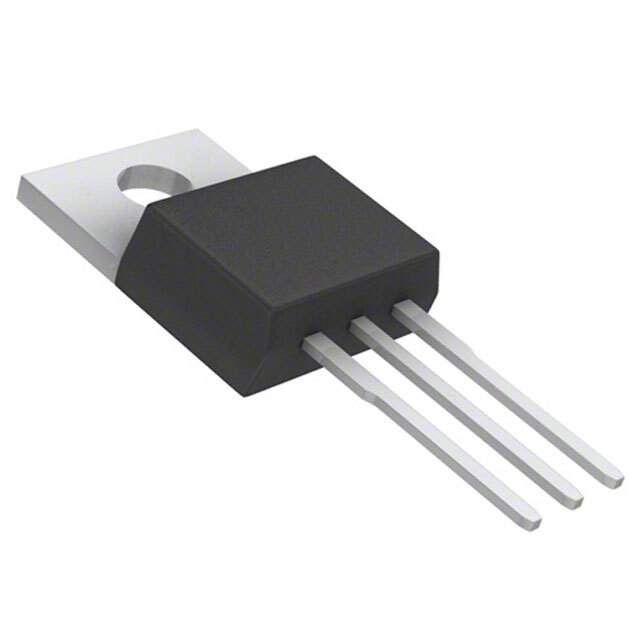
150 V reverse ceiling, 10 A per diode, 1.2 V at 10 A, TO-220AB through-hole common-cathode array
Quick Engineering Summary
| Field | Value |
|---|---|
| Manufacturer | Littelfuse Inc. |
| Category | Diodes, Rectifiers - Arrays |
| Package | Tube |
| Core function | DIODE ARR SCHOT 150V 10A TO220AB |
| Key electrical range | Current - Average Rectified (Io) (per Diode): 10A; Current - Reverse Leakage @ Vr: 150 µA @ 150 V; Operating Temperature - Junction: -55°C ~ 150°C; Voltage - DC Reverse (Vr) (Max): 150 V |
| Reported stock | 1 pcs reported — confirm on RFQ |
The real constraint is heat, not the 150 V headline
Heat is the first constraint the numbers create. DST20150C carries a 1.2 V forward-drop maximum at 10 A, and that combination will decide whether a TO-220AB through-hole rectifier fits your mechanical envelope long before the reverse-voltage headline does, especially when the listing gives no thermal resistance or derating curve to show how much ambient headroom is actually available.
The 150 V DC reverse maximum is a ceiling on reverse stress, not a normal operating target. It answers whether the part belongs in a 150 V class design, but it does not answer surge tolerance, switching loss, or commutation behavior. The 10 A average rectified rating is also a ceiling per diode, not a continuous operating point without the missing thermal data.
150 V is the fit gate, and the common cathode matters
150 V is the fit gate. Along with the 1 pair common cathode configuration, it places DST20150C in mains-adjacent low-voltage rectification stages, freewheel paths, or dual-diode arrangements that need a shared cathode node in a through-hole TO-220AB body.
That same configuration rules out layouts that need isolated single diodes or a different node relationship, because the connection scheme is part of the electrical choice, not just the footprint. The reverse leakage limit of 150 µA @ 150 V is useful as a ceiling at that test point, but it does not provide a leakage curve across temperature, so it will not settle low-loss hold-up or bias-sensitive work on its own.
Buy it for production, but not one piece at a time
Active is enough.
From a lifecycle standpoint, DST20150C is a valid new design-in candidate. Active status is consistent and conflict-free, and it sits alongside EU RoHS compliance and MSL 1 (Unlimited), so there is no obvious policy friction for ordinary commercial builds. The real issue is supply posture. Stock quantity is 1, while the standard package is 1,000, which makes it a poor fit for ad hoc replenishment even though the part is not signaling end of life.
If it is going onto a running line, put it on a scheduled buy and align receiving to tube packaging rather than assuming loose-piece availability will cover service demand, prototype respins, and production top-offs.
The missing datasheet items are the ones that close the review
The weak point is visibility. The basic ratings are usable, but the absent details are the ones that decide whether DST20150C behaves cleanly in a real power stage or only looks acceptable in a parametric filter.
Reverse-recovery time is not stated. The speed field only says fast recovery =< 500ns, > 200mA (Io), which is a category tag rather than a trr value for this diode array. Junction capacitance is absent, so switching-node charge and ringing sensitivity cannot be judged from this page. Thermal resistance is absent, leaving the TO-220AB body without a usable ambient or case-to-junction path for thermal budgeting. IFSM is absent too, and that is the number that separates a rectifier that survives inrush from one that returns later as an intermittent field failure after repeated startup stress.
Pinout and package drawing are also missing. For a common-cathode array in TO-220-3, that matters because connection order decides whether the part drops into an existing board or forces a copper change.
View the Win-Source product page for DST20150C.
Key Takeaways for Engineers & Buyers
- Hold reverse stress below the 150 V ceiling; that number closes rail fit, not surge behavior.
- Budget conduction loss around the 1.2 V @ 10 A forward-drop limit before committing TO-220AB thermal hardware.
- Do not count on spot buys; stock is 1 while standard package is 1,000.