
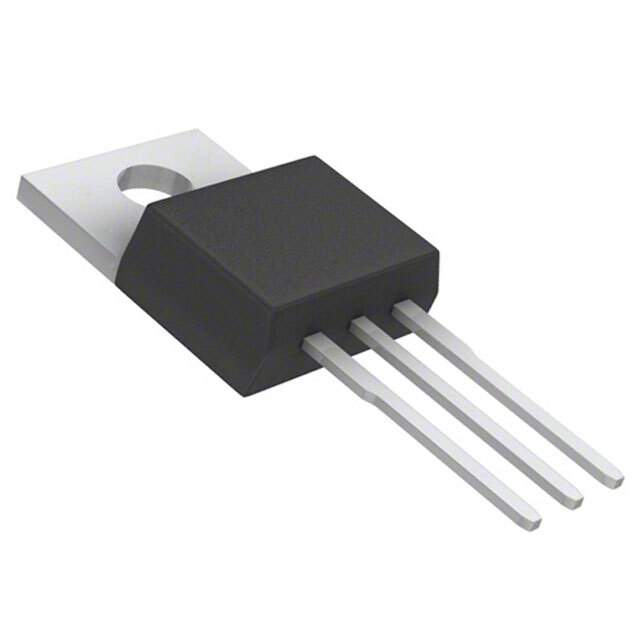
80V reverse ceiling, 15A per diode, 820mV at 15A, TO-220AB through-hole common-cathode array
Quick Engineering Summary
| Field | Value |
|---|---|
| Manufacturer | Littelfuse Inc. |
| Category | Diodes, Rectifiers - Arrays |
| Package | TO-220AB |
| Core function | DIODE ARR SCHOTT 80V 15A TO220AB |
| Key electrical range | Current - Average Rectified (Io) (per Diode): 15A; Current - Reverse Leakage @ Vr: 700μA @ 80V; Operating Temperature - Junction: -55°C to 150°C; Speed(Frequency): Fast Recovery = 200mA (Io) |
| Reported stock | 1 pcs reported — confirm on RFQ |
80V is the decision point, not the 15A headline
80V is the hard ceiling that decides whether this rectifier belongs in your stage at all. If reverse stress can approach that number, there is no extra room here. The 15A average rectified rating is per diode, and it matters only after the rail already fits.
Then the thermal picture comes into focus. The listed forward drop is 820mV at 15A, and that is the dissipation budget you take on when one diode in DST3080C carries its stated current; in a TO-220AB body, that puts package heat flow and mounting at the center of the decision long before the Active lifecycle label does.
What is missing matters just as much. The listing does not include thermal resistance or a derating curve, so it cannot tell you how much ambient headroom is really available. If your rail stays under 80V and your thermal path can absorb Schottky loss at 15A, DST3080C is a plausible new design-in. If either margin is tight, this page doesn't rescue the choice.
Lifecycle is the easy part: Active, with EU RoHS compliance listed.
And the supply picture is tighter than the lifecycle
And that still leaves the practical problem: stock quantity is 1. Active status helps, but not much. Use DST3080C for evaluation or an existing production need, then secure supply before it goes onto a fresh release.
The weak spot is missing detail, not the package
Missing detail is the weak point; the package fit is the stronger one. DST3080C is a through-hole, TO-220AB, 1 pair common-cathode Schottky array, so it fits board-level power stages that want two rectifiers sharing a cathode node and can accept leaded assembly. It does not fit space-constrained SMT work, and it says nothing final about pin-compatible layout until the drawing and pinout are in hand.
The gaps are concrete. Reverse-recovery time is absent in the main specifications, and the odd speed line should not be treated as trr. Thermal resistance is absent, so the junction range of -55°C to 150°C does not tell you ambient headroom. Peak surge current is absent, leaving startup and fault tolerance open. The package drawing is absent too, and that is what closes footprint and creepage decisions for DST3080C.
Leakage and temperature set where it can live
Leakage is the constraint these numbers create. The 700μA reverse leakage at 80V is not dramatic for a power Schottky, but it is still tied to the voltage ceiling and it still affects standby loss and heat on hotter, always-biased rails.
The -55°C to 150°C junction range says the device can handle cold start and fairly hot silicon conditions, but it does not settle heatsink choice, copper area, or pulse behavior. Use it where a through-hole common-cathode rectifier is the right topology, then pull the missing thermal and surge data from the datasheet before layout freeze.
View the Win-Source product page for DST3080C.
Key Takeaways for Engineers & Buyers
- Hold reverse stress below the 80V ceiling; DST3080C does not close surge margin by itself.
- Budget conduction loss around 820mV @ 15A per diode before committing the TO-220AB thermal path.
- Do not release volume builds against stock quantity 1; secure tube/rail supply first.