
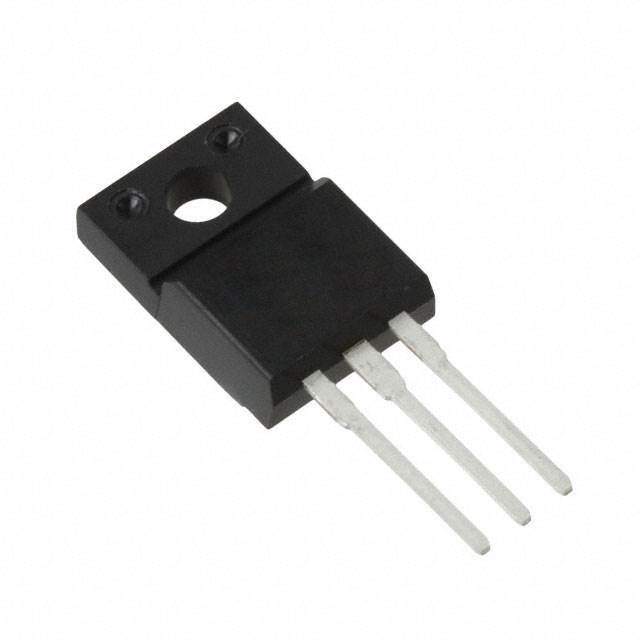
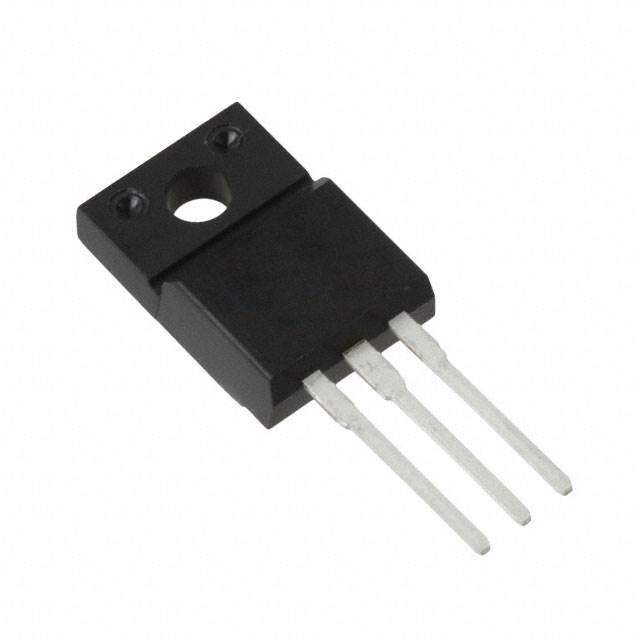
50 V reverse ceiling, 20 A per diode, ITO-220AB through-hole package, -55°C to 150°C junction range
Quick Engineering Summary
| Field | Value |
|---|---|
| Manufacturer | Littelfuse Inc. |
| Category | Diodes, Rectifiers - Arrays |
| Package | Tube |
| Core function | DIODE ARR SCHOT 50V 20A ITO220AB |
| Key electrical range | Current - Average Rectified (Io) (per Diode): 20A; Current - Reverse Leakage @ Vr: 1 mA @ 50 V; Operating Temperature - Junction: -55°C ~ 150°C; Voltage - DC Reverse (Vr) (Max): 50 V |
| Reported stock | 1 pcs reported — confirm on RFQ |
50 V is the first gate on DSTF4050C
50 V is the hard stop here. It answers the first fit question quickly: DSTF4050C belongs on low-voltage rails, and the listing says nothing about surge tolerance, avalanche behavior, or transient headroom beyond that ceiling.
The other early limit is 20 A average rectified per diode. That puts this common-cathode pair in substantial through-hole power stages, not signal steering or tiny secondary rails. The -55°C to 150°C junction range covers wide industrial ambient swings, but it remains a junction limit, not a free pass to run hot without thermal path data.
Can you actually keep a line running on it?
Can you buy it in production quantity today? Not from this listing.
DSTF4050C is marked Active with low lifecycle risk and no status conflict, so it remains a valid new-design candidate. The immediate supply picture is the real constraint: listed quantity is 1, and the standard package is 1,000. That is enough to support evaluation or a tightly controlled pilot build, but not enough to assume routine factory pulls once a BOM is released.
That matters more than the compliance line. EU RoHS is in place, and MSL 1 (Unlimited) helps on the handling side, especially for a through-hole device that may sit in stores before assembly. Neither changes the commercial reality that the visible stock behind this listing is minimal, so planned demand needs a planned buy or the design should wait for better channel availability.
Not for high-voltage rails; right for low-voltage rectification
Not for high-voltage rails. Anything that needs reverse-voltage margin above 50 V is out immediately.
Where it fits is simpler: low-voltage power rectification that benefits from a Schottky array, a 1 pair common cathode configuration, and an isolated-tab package that can ease mechanical mounting choices. The package callout is through-hole TO-220-3 Full Pack, Isolated Tab, with an ITO-220AB supplier package, so it also does not suit designs already squeezed on board area or leaded assembly capacity.
The listed 1 mA reverse leakage at 50 V is useful because it is specified at the top reverse ceiling. Designs sensitive to standby loss or hot leakage still need the fuller leakage curve before moving from plausible to committed.
The missing data is what decides the thermal risk
The gaps are material.
DSTF4050C gives you 600 mV @ 200 A for forward drop, but without a forward-drop curve, thermal resistance, or a derating curve, you cannot judge dissipation margin across current and temperature with much confidence. The listing also leaves out reverse-recovery time, even though it carries the generic speed line, and it does not give junction capacitance, IFSM, or a pinout and drawing.
Those missing items decide the real risk: switching loss, surge survival, and whether the footprint and current path work on the board you actually have.
View the Win-Source product page for DSTF4050C.
Key Takeaways for Engineers & Buyers
- Treat 50 V as the reverse ceiling; don't place DSTF4050C on rails that need surge headroom beyond that limit.
- Budget conduction loss from the listed 600 mV @ 200 A point before committing the isolated-tab TO-220-3 footprint.
- Place a buy against real demand now; stock quantity is 1 even though the standard package is 1,000.