
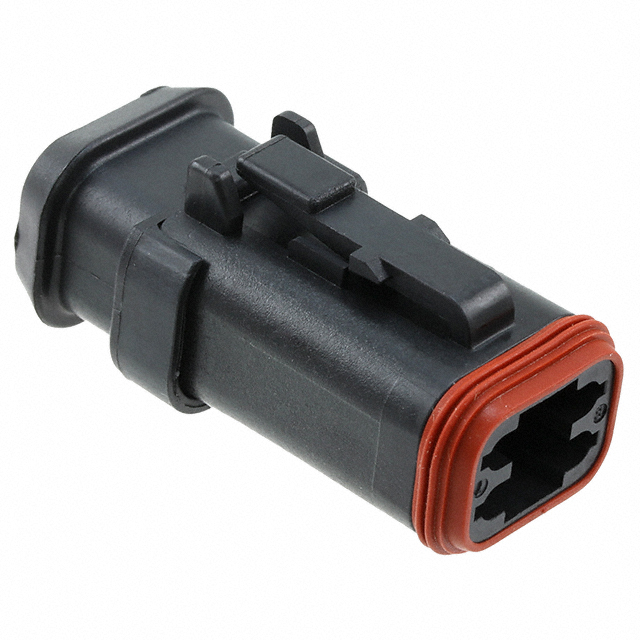
IP68, IP6K9K, 6 positions, free-hanging plug housing, -55°C ~ 125°C operating range
Quick Engineering Summary
| Field | Value |
|---|---|
| Manufacturer | TE Connectivity |
| Category | Rectangular Connector Housings |
| Package | Bulk |
| Core function | CONN PLUG HSG 6POS |
| Key electrical range | Supply and Demand Status: Normal; Temperature Range - Operating: -55°C ~ 125°C |
| Reported stock | 1 pcs reported — confirm on RFQ |
Not for board I/O; right for sealed inline harness joints
This is not the part for board mounting, panel mounting, or a finished connector with contacts already loaded. It is a free hanging plug housing with crimp termination and female socket contacts, so it belongs in a cable-to-cable harness where the housing, seal, and latch carry the mechanical job while the contact system is assembled separately.
The fit is clear from the 6 positions, 3 rows, latch lock, and blocked gasket with IP68 and IP6K9K. That combination points to sealed inline interconnects exposed to washdown, spray, or dirt ingress, not an enclosure wall feedthrough and not a PCB edge. Get that distinction wrong and the first failure is mechanical integration, not electrical performance.
Active status helps, but stock is the real constraint
Good for new work.
Lifecycle is Active and supply-demand status is Normal, so there is no obsolescence warning. The real limit is availability: one stock signal shows 1.
The sealing and temperature numbers decide the use case
The weak point is obvious: there are no electrical contact ratings here. The strong point is that the environmental envelope is explicit, and for this housing that matters more at the first screening step.
IP68 and IP6K9K are not decorative marks on DT06-6S-EP06. They decide whether the housing belongs in a wet, dirty harness run at all, and they rule out swapping in an unsealed housing just because the position count matches.
The -55°C ~ 125°C operating range is a ceiling and floor for the housing material system. It closes the question of whether the housing itself is listed across cold-start and hot-soak exposure, but it leaves contact temperature rise, current carrying ability, and mating-cycle behavior unanswered because those figures are not shown. The PA66, Nylon 6/6, glass-filled construction supports the case for a mechanically serious harness part, but the electrical budget still sits with the contact set and the full datasheet.
What the listing still doesn't answer
And that gap matters more than another line about color or package. The housing is easy to place at a high level, but release still depends on the mating interface drawing, cavity and keying detail, and the pin or position map so the harness cannot be misbuilt.
Contact size compatibility is also missing, along with any current rating. That is the gap that decides whether this 6-position shell belongs on a low-current signal loom or a heavier load branch. No dimensional drawing appears here either, so envelope, wire dress, and latch clearance stay open. Bulk packaging may suit production handling, but it doesn't answer any of those design questions.
View the Win-Source product page for DT06-6S-EP06.
Key Takeaways for Engineers & Buyers
- Lock the harness concept to a free hanging plug before releasing DT06-6S-EP06 into a panel-mounted connector scheme.
- Match the crimp contact system to female socket positions and the 6-position, 3-row housing layout.
- Reserve stock now if DT06-6S-EP06 is needed for builds; the visible quantity is 1.