
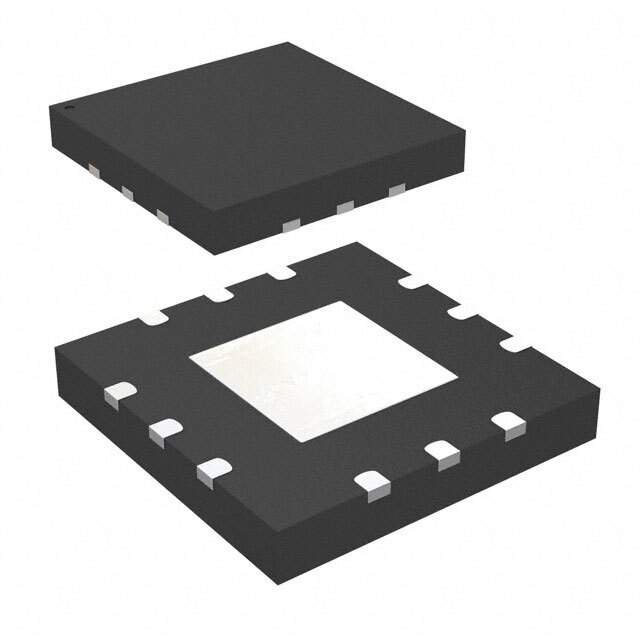
120VAC to 230VAC input, 4 outputs, SMD offline switcher, -30°C to 100°C (TA)
Quick Engineering Summary
| Field | Value |
|---|---|
| Manufacturer | Seoul Semiconductor Inc. |
| Category | PMIC - LED Drivers |
| Package | Not listed for this part |
| Core function | IC LED DRIVER OFFL TRIAC |
| Key electrical range | Maximum Supply Voltage: 230VAC; Number of Outputs: 4; Operating Input Voltage(Min): 120VAC; Supply and Demand Status: Balance |
| Reported stock | 40000 pcs reported — confirm on RFQ |
The weak point is missing detail, not lifecycle
The weak point comes first: this listing leaves out output current, output voltage, switching behavior, and package detail. The stronger signal is lifecycle. DT3001B is still an Active offline LED driver, the lifecycle indicators agree, and 40000 units are listed in Reel - TR for a part you would rather place on a running line than handle in cut tape.
That makes it a reasonable new design-in candidate when the first decision is architectural, not final electrical closure. The architecture is clear enough: AC DC offline switcher, internal switch(s) yes, 4 outputs, and Analog, TRIAC dimming. What remains open is channel current, LED string voltage, startup behavior, and thermal margin inside the package, all of which matter more than the clean lifecycle picture once the design moves past concept and into layout, thermal work, and channel matching.
EU RoHS is straightforward and not the story here. The real question is whether the design can live with an offline TRIAC-dimmable driver before the deeper datasheet is in hand.
230VAC is a ceiling, not your mains target
230VAC is the listed maximum supply voltage. It sets the upper input ceiling, while the 120VAC operating input minimum rules out lower-line operation below that floor.
The constraint is mains-only, TRIAC-dimmed lighting
The constraint is mains-only, TRIAC-dimmed lighting. With 120VAC minimum input, 230VAC maximum supply voltage, and an AC DC offline switcher type, DT3001B belongs in line-powered LED gear, not low-voltage luminaires or DC-fed boards.
The 4 outputs matter early because they fix channel count. If the topology needs a single high-current rail or more than 4 controlled outputs, this listing gives no room to argue otherwise.
The -30°C to 100°C (TA) range is an ambient ceiling, not proof that the silicon will be comfortable in a sealed hot enclosure. Get that wrong and the field return won't start with dimming quality. SMD mounting and the 12-VQFN exposed-pad package point to a compact board-level design, but package drawing and thermal data are still missing.
So buy it for continuity, not for unanswered physics
And that is the real purchasing point: availability is the easy part. Reel - TR packaging and 40000 units support production intake better than sample-stage builds, so if DT3001B matches the architecture, secure the reel format you need and move on.
The hold-up is technical closure. The listing does not give output current per channel, output voltage, pinout, package drawing, thermal resistance, or dimming-performance detail beyond Analog, TRIAC. For DT3001B, those details decide LED string fit, board escape, and whether the thermal path through the 12-VQFN exposed pad is adequate.
View the Win-Source product page for DT3001B.
Key Takeaways for Engineers & Buyers
- Keep DT3001B on mains designs that stay within 120VAC to 230VAC input.
- Reserve DT3001B for 4-output offline LED channels with Analog, TRIAC dimming.
- Pull the datasheet for DT3001B package drawing, pinout, and output-current detail before layout.